Tag Archives: Marc D. Sarnoff

Launching The Official Marc D. Sarnoff Tip Line

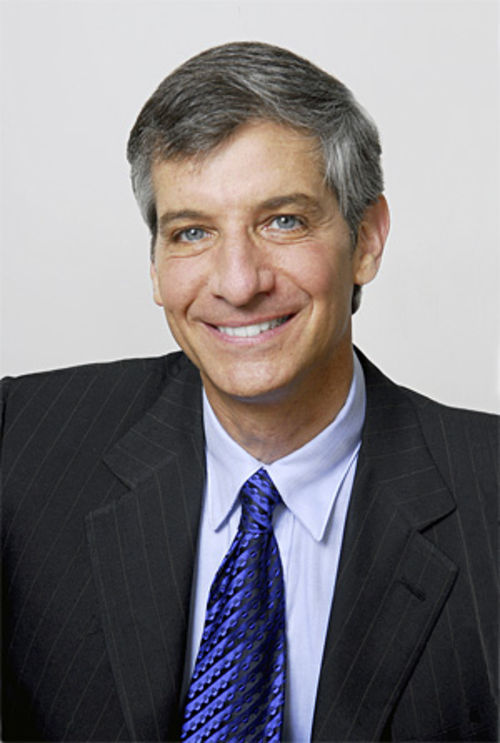
Sarnoff preparing his troops for the Trolleygate Town Hall.

I might as well make it official. So many people have come forward to give me tips about City of Miami Commissioner Marc D. Sarnoff on DEEP BACKGROUND, that I now have enough investigative leads to last me a lifetime, provided I die by Presidents’ Day. 

It’s clear that people in Miami are eager to unload what they know about Sarnoff and Miami corruption to anyone who will listen. To my regret the tips are coming from people who would prefer to remain OFF THE RECORD, which indicates a fear of Sarnoff among those who know him best. On the other hand, the tips themselves are not off the record. Consequently, I am free to chase them down to see how much truth they contain. I’ve learned through my many years as a writer that it can be a bit like hard rock mining. Some tips won’t pan out, but others will contain valuable nuggets of information. The most recent tip sounds like it might contain pay dirt, but until I run it through the dredger I won’t know how valuable it really is.

In case this latest tip is nothing but Fool’s Gold, I’m launching an Official Marc D. Sarnoff Tip Line. Feel free to tell me what you know. Feel free to tell me what you merely suspect. I won’t print your name if you ask for anonyimity. In fact, I won’t print anything about anything unless — or until — I can confirm it myself. That’s just how I roll.

You can contact me via email, rattle my cage at facebook, or drop a comment below.

I’m most interested in Sarnoff Sightings. If you catch Mark D. Sarnoff out and about, take a picture and send it to me. Especially if he’s having another one of those meetings with a developer to map out how to slip something past his constituents.

Is Marc D. Sarnoff Corrupt Or The Most Corrupt Miami Politician?

His Excellency
Marc D. Sarnoff

In researching the long history of the E.W.F. Stirrup House, one name that never came up was Marc D. Sarnoff, unofficial Emperor of Coconut Grove. 

However, that changed once I started investigating the current state of Coconut Grove. The name “Marc D. Sarnoff” started cropping up with some regularity. The more I uncovered of Gino Falsetto‘s real estate deals, the more I saw the Sarnoff name. When I
started looking into the Coconut Grove Playhouse, I encountered the
Sarnoff name again. It didn’t matter where I turned, Sarnoff always
seemed to be RIGHT THERE. On one level that’s not surprising; Sarnoff is the Commissioner for Miami’s District 2, which takes in Coconut Grove. 

However, it was how his name kept coming up that intrigued the journalist in me. Whenever I read about a new development, I would read about how Marc D. Sarnoff was supporting it, often against neighbours’ objections. The Sarnoff name also came up often when interviewing people on deep background about the history of the Grove Gardens Residence Condominiums behind the E.W.F. Stirrup House in Coconut Grove. The prevailing opinion seems to be that if you are a developer, Marc Sarnoff is on your side. If you live in White Coconut Grove, Marc Sarnoff can be your best friend. If you live in Black Coconut Grove, Marc Sarnoff is the invisible man.

Nothing illustrates this better than last week’s hastily scheduled Town Hall meeting on Trolleygate. Sarnoff only called for this community meeting once the shit hit the fan, not when this diesel bus garage was still on paper. Trolleygate can be a complicated story if one gets too deeply into the weeds. However, clearing away the clutter — and narrowing the focus to a single issue — it is easier to see what’s at stake. In a nutshell:

Diesel bus disguised
as an old-tyme trolley.

On one hand: Marc Sarnoff claims Astor Development complied with all legal requirements and had every right to build a diesel bus garage in the middle of West Grove. 


On the other hand: Lawyers for West Grove say that the Miami21 Plan specifically prohibits a “government vehicle maintenance facility” along Douglas; therefore, building permits never should have been issued. 

They both can’t be right.

True to form, residents say, Sarnoff couldn’t be bothered to look for any reasons to deny a developer, even though West Grove lawyers say many exist. The courts will now sort this mess out, at a cost to all Miami taxpayers (the West Grove lawyers are working pro bono). However, Sarnoff clearly thought his time and energy would be better spent working with the developer, as opposed to the neighbourhood groups that came out against the diesel bus garage.

By his own admission: Once he decided that Astor had every right to build a diesel bus garage on Douglas, that’s when Super Sarnoff sprang into action to get the best possible deal for the neighbourhood. To that end, he claims, he convinced the developer to change the exterior of the building to give the diesel bus garage a Bahamian feel. Sarnoff also claimed that he convinced Astor to donate $200,000 to improve the football field at Armbrister Park. Sarnoff insists the developer did this because “[t]his particular developer, his wife is very charitable. He’s very charitable,” according to what he told the Miami Herald. Of course, it has nothing to do with the fact that Astor Development stands to make several millions of dollars developing the current diesel bus garage property in Coral Gables.

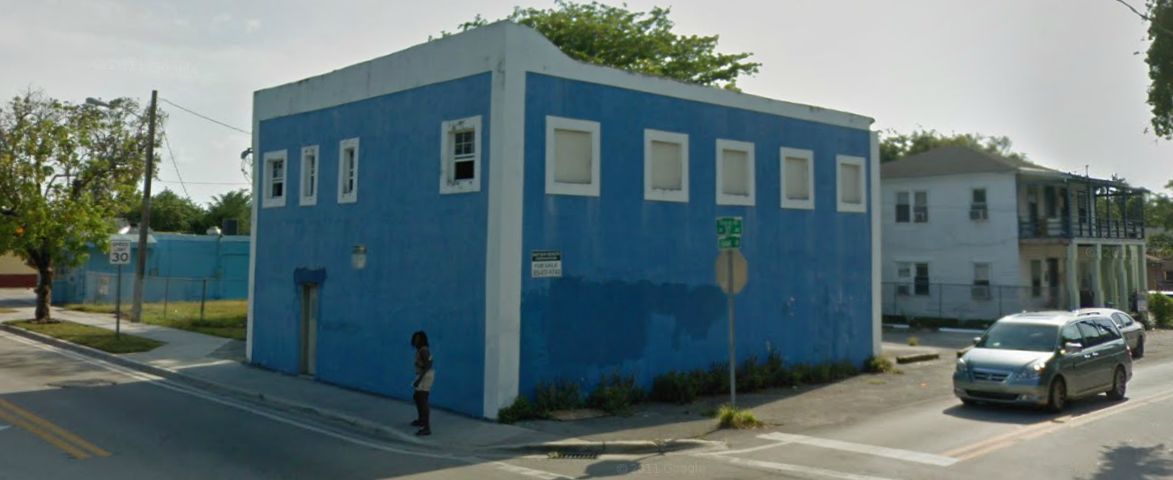
Google Street View showing 3 of the 4 tax-paying buildings along Douglas Road (at Oak Avenue) destroyed to make way for the Coral Gables diesel bus garage, which won’t be paying taxes. Nor will the buses be picking up passengers in Black West Grove. That might allow them to get to Coral Gables, which is 98% White.

West Grove neighbours describe Sarnoff’s bad faith:

But
residents say when he encountered opposition, Sarnoff simply moved on
to another group. In April, he attended a meeting of the Coconut Grove
Ministerial Alliance and, in October, a gathering of football coaches at
Armbrister Park, according to those in attendance.

“He wanted us
to say it was a good project and we were behind it, considering they
were going to renovate the playing facility,” said Rondy Powell, a coach
at the park for 20 years. “I kind of figured when they came, it was
kind of like a back-room deal.”

An artist’s view of Bahamian-influenced diesel
bus garage on the same corner of Douglas and Oak.

If I were Marc Sarnoff’s Day Timer, I would know how much time Marc Sarnoff spent on Trolleygate, both before and after it became a controversial project. I would also know how much time Sarnoff spent negotiating with Astor Development and how much time was spent negotiating with West Grove residents. However, maybe Marc Sarnoff doesn’t put down all his meetings with developers in his Day Timer because the most often used adjective when discussing Marc D. Sarnoff appears to be “corrupt.” 


How long has Marc Sarnoff been corrupt?

That’s up for debate. According to Sarnoff’s own biography at the City of Miami web site, bad grammar and all:

In 1987 I made the big move to paradise: Miami. I settled in Coconut Grove and established my practice as an Aviation Attorney, specializing in representing passengers’ families and airline staff, and pilots, who were wrongfully killed or suffered life threatening injuries in airline crashes. In 1991 I had the honor of representing Eugene Hasenfus, the former Marine whose C123 Maulewas shot down over Nicaragua while delivering guns to the Contras. I also had the honor of representing, Kassenee Sawyer, who was the widow of the pilot in the Hasenfus plane. For those too young to know, this downing was the beginning of the Iran Contra Affair.

While I think we can all agree that even the worst criminals deserve a defense, this was not a defense. Hasenfus was suing because, after he got caught, his CIA handlers and the government cut him loose. Regardless, Sarnoff seems inordinately proud of his association with the criminal Hasenfus, who was serving a 30-year sentence before being pardoned by Nicaurguan President Daniel Ortega. I wonder why Sarnoff doesn’t mention that he lost that case

It might not be a good idea to put much credence in Sarnoff’s official biography. It used to be longer, but he was forced to remove the section where he claimed General David Sarnoff was his grandfather, after the real Sarnoff family said it wasn’t true. 

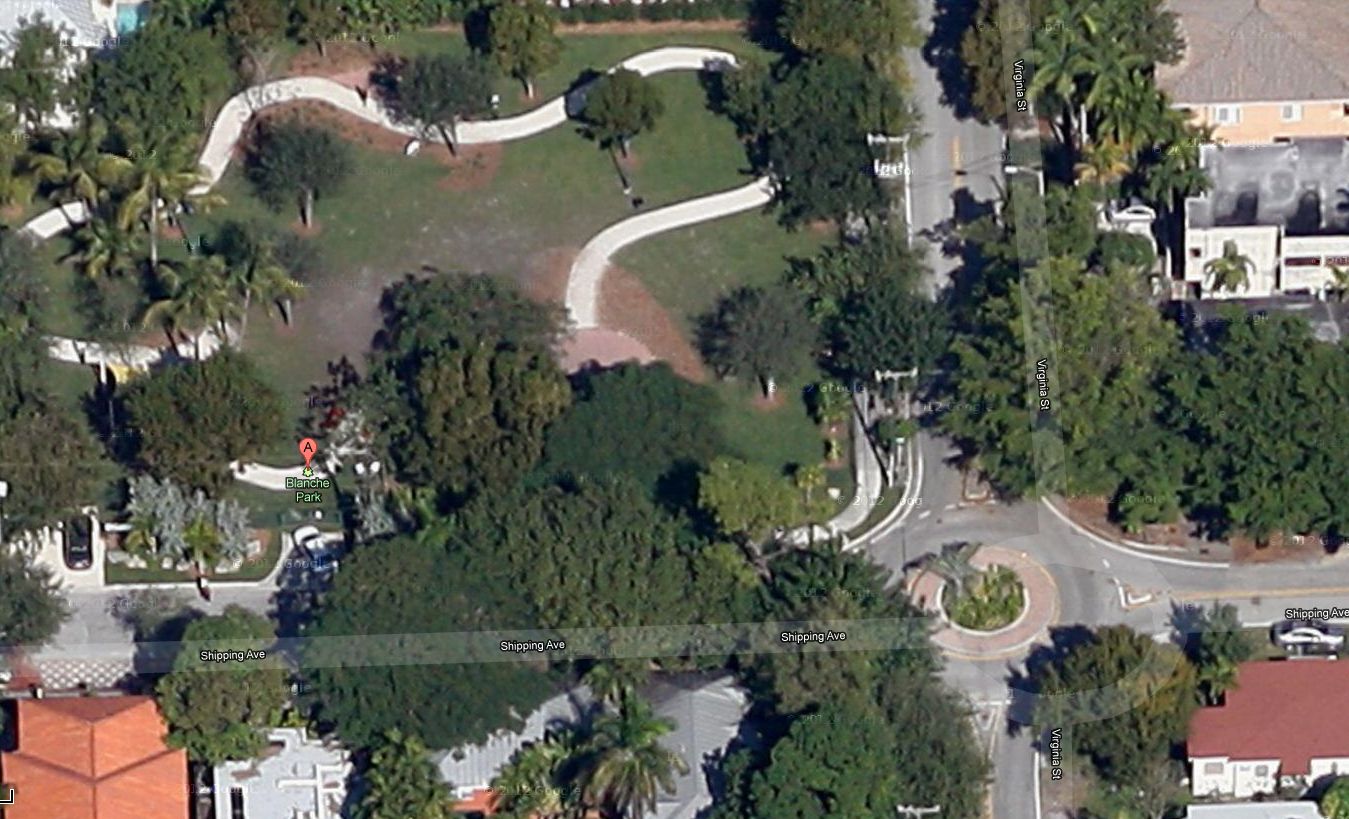
Then there’s the Marc D. Sarnoff Memorial Dog Park and Traffic Circle

The Marc D. Sarnoff Memorial Dog Park and Traffic Circle can be seen from space.

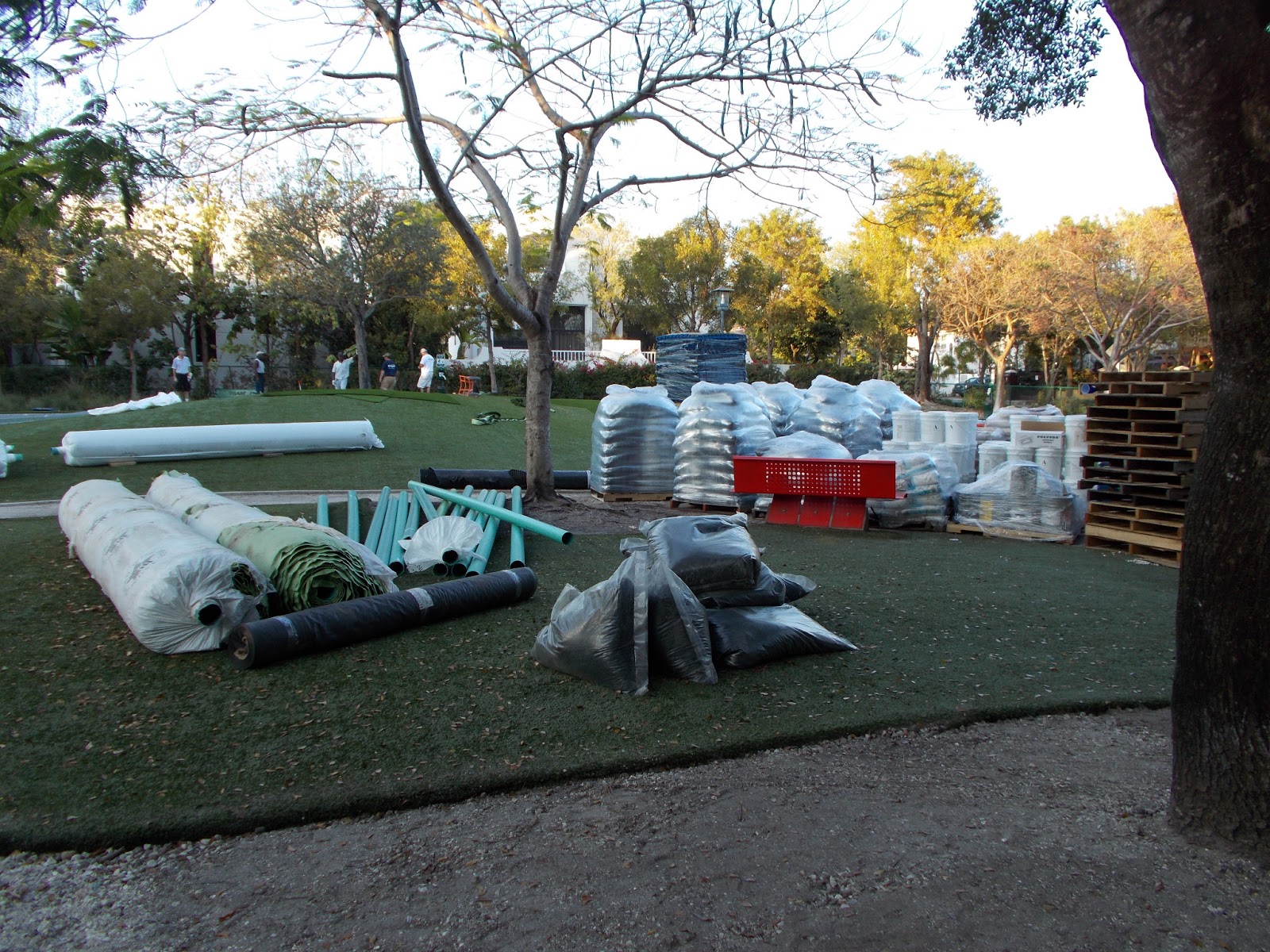
If you are one of those North Grove residents lucky enough to live near His Excellency Marc D. Sarnoff, then you will have no doubt seen your property values rise due to improvements right across the street from where he lives, and used to do business. According to recent reports the city is spending ANOTHER $190,000 on Blanche Park (that’s the name of the Marc D. Sarnoff Memorial Dog Park on paper, but the dogs know who to thank). The bulk of this cost is to replace the grass with astroturf. Back in my day dogs shit on the grass and liked it.

The Marc D. Sarnoff Memorial Dog Park
Photo by author Feb 6, 2013

How was Marc Sarnoff able to take a small park dedicated entirely to children and turn 2/3rds of it over to dogs? No one is quite sure because all the formalities seem to have not been followed. The same way that no one is quite sure how The Marc D. Sarnoff Memorial Traffic Circle circle came to be located in the middle of the intersection of Shipping Avenue and Virginia Street, right next to the Marc D. Sarnoff Memorial Dog Park. When you’re the Emperor of Coconut Grove good things drop into your neighbourhood, just like a real life version of Sim City. This will be the third time good money has been thrown after bad; Blanche Park appears to undergo regular upgrades. 

Illegal offices and bar closing hours

The Marc D. Sarnoff Memorial Dog Park
Feb 6, 2013

To be fair: it’s just within the realm of possibility, of course, that Sarnoff’s corner really needed a traffic circle. Any increased traffic, however, might have been due to Sarnoff’s illegal law office, located right next to his residence. And, from beginning to end, the story of the illegal law office provides another taste of Sarnoff Scandal.

That Sarnoff had an illegal law office appears to have been an open secret. While references can be found to it on blog comment threads, the home office was never reported to the City of Miami until Coconut Grove bar owner John El-Masry decided to exact a little revenge on Sarnoff. El-Masry, owner of Mr. Moe’s, was angry because Marc Sarnoff had rammed through a new law, which only affected bar closing hours in Coconut Grove. Whereas bars in the City of Miami could stay open until 5AM, suddenly all bars in “Center Grove” were forced to close at 3AM. An active nightlife in downtown Coconut Grove dried up overnight. In addition to launching a lawsuit against the city, El-Masry reported Sarnoff’s illegal law office to City of Miami staff. City of Miami staff promptly ignored the complaint, tipping off Sarnoff in the process. 

Possibly the Miami Department of Code Enforcement viewed Sarnoff as their boss and didn’t want to rattle any cages at City Hall. However, long-time-Sarnoff foe and Miami Muckraker Al Crespo wasn’t going to let the complaint go, and neither was (then) Coconut Grove Village Councilor Stephen Murray. In a letter to City Manager Carlos Migoya, dated August 31, 2010, Murray reminded the city manager of his duty:

I understand you are a public service rookie, so I’d like to take the time to explain something critical to you. Unlike in the private sector, where you have a clear-cut executive, Board of Directors, and stockholders who need to be answered to, as the City Manager you are a public servant. A public servant has one real boss – the public. You, as a public servant, took an oath to protect the residents of the City of Miami. You did not take an oath to allow yourself nor your subordinates to protect crooked politicians who believe they are above the law.

When I recently asked Stephen Murray if he would go on record for this article, Murray replied:

The only on the record thing worth saying is the following: “Commissioner Sarnoff is a scumbag corrupt piece of shit that doesn’t give two fucks about the people of the West Grove.”

It’s easy to find people who agree with that assessment, especially these days. 

Sarnoff eventually moved his illegal office and Mr. Moe’s eventually won its lawsuit against the city, which was forced to fork over $10,000 of taxpayer money to cover the costs of El-Masry’s lawsuit. Mr. Moe’s remains the only bar in “Center Grove” allowed to stay open until 5AM.

The calm before the meeting. Sarnoff preparing
to meet with the community on Trolleygate.

Dog parks. Traffic circles. Bar hours. Illegal offices. This shows how much power Commissioner Sarnoff wields in Coconut Grove, power that he’s not afraid to use openly to his own benefit. While Sarnoff controls just about everything that happens in the Grove, he claims there is no way he could have stopped the building of the Trolleygate garage.


My first Sarnoff encounter

As mentioned above, the name Marc D. Sarnoff kept popping up once I started investigating the recent history of the E.W.F. Stirrup House. According to (unconfirmed) reports Sarnoff worked closely with Aries Developers, and owner Gino Falsetto, in getting the Grove Gardens Residence Condominiums built. This apparently included meetings and accommodations by the developer to mollify neighbourhood concerns. One of those concerns was what would happen to the historic 120-year old E.W.F. Stirrup House, which would be dwarfed by the Grove Gardens Residence Condominiums. Whatever promises were made by Gino Falsetto and Aries Developers concerning the Stirrup House, to both the neighbourhood and Commissioner Sarnoff were broken. [See my ongoing series on the E.W.F. Stirrup House.]

This explains why Marc D. Sarnoff was already on the very periphery of my radar. That all changed a few weeks ago while I was interviewing a West Grove resident about the E.W.F. Stirrup House and Sarnoff’s name came up again. The resident asked, “Did you hear what he did this time?” While he described the broad outline of Trolleygate to me, the story sounded very similar to what had happened with the E.W.F. Stirrup House (Stirrupgate?): A redevelopment project is proposed, neighbours complain, Sarnoff steps in to help the developer, in the end the developer gets what it wants, the immediate neighbours get the shaft.

Trolleygate diesel bus garage; Feb. 6, 2013

I discounted this story almost immediately. While the pattern sounded familiar to what I had discovered in my E.W.F. Stirrup research — not to mention my research into the Coconut Grove Playhouse — I thought, “No one can be that nakedly stupid, can they?”

However, after a few hours of working the phones, the answer came back “YES!” Commissioner Marc Sarnoff is stupid enough to use the same tactics to, once again, help a developer and screw the neighbourhood he represents. That’s when I decided to go to the emergency Town Hall meeting, which I describe it in my previous post The Trolleygate Dog and Pony Show. However, it was only after watching Sarnoff’s performance at that meeting that I decided I needed to do some research on Commissioner Marc D. Sarnoff. I fired up the Googlizer and it’s not a pretty picture. Each headline just makes you want to shake your head that Sarnoff was ever reelected.

View of Trolleygate diesel bus garage from
its closest neighbour’s backyard; Feb. 6, 2013

My favourite two headlines are Marc Sarnoff: ‘Reid Welch Called Me a Cop Cock Sucker!’ and Marc Sarnoff (Allegedly) Told Reid Welch: ‘I’ll Kill You!’ These were just two of the dozens of headlines that arose out of a bizarre incident adjacent to the Marc D. Sarnoff Memorial Dog Park, just across the street from the Sarnoff’s residence.

I’m the first to admit there are two sides to every story. One side says the Commissioner jumped into his metaphorical phone booth, changed into Super Sarnoff, and flew into action, saving a neighbour lady from imminent harm. This is countered by the actual police report and the witness statements, which tell a very different story than the one Sarnoff told. In fact, witnesses allege Sarnoff sucker-punched Reid. Francisco Alvarado, of Miami New Times, makes the undeniable point:

Call us crazy. But if two people saw Banana Republican approach someone, sucker punch him or her, and then pin our victim to the ground, chances are we’d be taking a ride down to Miami-Dade County jail. In fact, any Joe Schmo would have been arrested for assault or battery. But Marc Sarnoff is no regular citizen. He is a Miami city commissioner who has apparently gotten away with beating up his former pal and current nemesis, Reid Welch. 

Sarnoff was never charged in that incident. However, it’s almost as if the Sarnoff Beat is a full time job for Alvarado. Among other stories he’s written about Sarnoff:

Some other random headlines I discovered include some other random Sarnoff scandals:

Cast of Burn Notice. Left to right: Sharon Gless as Madeline
Westen, Bruce Campbell as Sam Axe, Jeffrey Donovan
as Michael Westen, Gabrielle Anwar as Fiona Glenanne.

And, don’t even get me started on Sarnoff’s whacky intervention in the “Burn Notice” lease, which produced weeks of international headlines. The USA Network’s hit show is shot in Coconut Grove and uses the former Convention Center (where Jim Morrison whipped it out) for its production offices. The controversy that Sarnoff instigated, not the Commission, made Miami look small-time and bush league. More specifically Marc D. Sarnoff came off like an uninformed jerk. He even attempted to write the last “Burn Notice” episode. The producers were forced to explain to him, slowly I assume, that they don’t really blow shit up on tee vee when they blow shit up on tee vee. Consequently, Burn Notice wouldn’t accommodate the city and blow up the Convention Center for the show’s finale.

To his credit, Sarnoff was able to squeeze more money out of “Burn Notice.” I’m sure it felt more like extortion on the other end. Why would any other Hollywood production want to locate in Miami if this is the treatment they get? Especially since the weather is not local to Coconut Grove.

Developers Win; Miami Taxpayers Lose

Everywhere you look it appears Sarnoff is acting against the best interests of his constituents and in the best interests of developers. And, in the end, it always seems to cost Miami taxpayers money to support the developer. Take Trolleygate, f’rinstance. Miami taxpayers have already footed the bill for the environmental study produced to justify building the diesel bus garage; a study ordered after the emergency Town Hall meeting had been called. Miami taxpayers also footed the bill for the preparation of Sarnoff’s part of the Trolleygate Dog and Pony Show in which he defended himself against charges from West Grove residents that he doesn’t do anything for them. There are also the various costs associated with holding an emergency Town Hall meeting, from the many police officers who were in attendance to the several City Hall employees who seemed to be there to run the fancy slide show. The biggest expense is yet to come. Now Miami taxpayers have the privilege of paying lawyers to defend Astor Development against the lawsuit launched by West Grove residents.

Meanwhile, Commissioner Marc D. Sarnoff is free to befriend new developers and to create more mischief.

The Trolleygate Dog And Pony Show

Miami once loved Coconut Grove enough to place its City Hall
there. Now it puts Coral Gables’ diesel bus garage there.

Trolleygate was the topic of a heated Town Hall meeting at Miami City Hall last night, pitting David against several Goliaths. In this corner the citizens of West Coconut Grove. And in that corner, the cities of
Miami and Coral Gables and Astor Development. It’s a grudge match with a lot of history. 

Representing the City of Miami was District 2 Commissioner Marc D. Sarnoff, whose district covers Coconut Grove. “Some people say” Sarnoff only represents developers and the rich White folk, while the concerns of Black West Grove residents come last. Mr. Sarnoff was buttressed last night by a phalanx of City of Miami government lackeys, a fancy slide presentation, and, at least, one hired gun.

Coral Gables sent a lawyer. Astor Development went unrepresented. West Grove residents came out in force, filling the chamber with standing room only in the back. This blog was represented by me.

“Ready for my close up.”
Before the meeting starts, Marc D. Sarnoff poses for a reporter.

Marc Sarnoff — who once falsely claimed a heritage with General David Sarnoff (who is actually a relative of mine) before he was forced to admit he made it all up — took the wind out of most sails as he started the meeting. He advised the residents that because a law suit had been filed that afternoon by West Grove residents to stop the diesel bus maintenance garage, there were two subjects the city (himself) could not address on the advice of city lawyers: the issues of zoning and that of notification.

On this, Sarnoff was as good as his word. However, while he never discussed zoning and notification, the assembled residents and lawyers couldn’t get enough of those two topics when it came their turn. But first, it was time for the Dog and Pony Show.

Sarnoff introduced Tim Ogle (SP?) an environmental engineer with Stantec, a company hired by Miami to put on a yadda, yadda, yadda slide presentation that said, essentially, having diesel buses running through the neighbourhood was no worse than licking ice cream, or something. Quite frankly the MEGO factor [My Eyes Glaze Over] set in pretty quickly. I looked around the room and, while people were polite, they appeared skeptical, especially after it was determined that Stantec had been hired by the City of Miami for this very presentation.

I couldn’t help but think that I was watching a presentation normally
given to residents when a project is still on the drawing board, not
when it is already a fait accompli and residents are trying to get it
stopped. However, to be fair, Miami got its money worth. It was a very good presentation and throwing good money after bad to save a developer’s project isn’t a crime, is it? Who knows this better than Commissioner Marc Sarnoff?

Pierre Sand making his points.

After the environmental presentation, Sarnoff opened the floor to questions and statements. First up was Pierre Sands, president of Village West Homeowners and Tenants Association. Despite Sarnoff saying people would be limited to 2 minutes, Sands was given much more than that and even allowed to rebut Sarnoff at one point.

This allowed Sarnoff to cut him off twice later, once when he tried to call bullshit on Sarnoff’s rebuttal and later when Sands wanted to address comments made about him from one of the residents who spoke. Sands made the points [paraphrasing] that the local residents get nothing out of the diesel bus maintenance garage and the City of Miami gets nothing out of it, but it’s clear what the city of Coral Gables gets out of it: It gets rid of a diesel bus maintenance garage and gets a multimillion dollar development. The unasked question hanging in the air was, “What does Marc D. Sarnoff get out of it?” but Sands didn’t go there. Sands closed by expressing extreme disappointment in how Sarnoff has ignored the West Grove since taking office, insisting that Coral Gables’ diesel bus maintenance garage be located “in the City Beautiful,” another name for Coral Gables. He ended on a round of applause.

Sarnoff is a clever man. He anticipated every single one of Sand’s points and was able to rebut them with his own Dog and Pony Show slide show presentation, which had already been prepared. First Sarnoff claimed there was no way he could have stopped the project. Astor Development bought the land fair and square and the building met all city requirements. Once Sarnoff realized the developer had the right to go ahead, he was able to get $200,000 to fix up a football field at Armbrister Park. Sarnoff claimed the developer did this out of the goodness of his heart because he didn’t have to do anything for the community. Sarnoff’s slide show included facts and figures about the football field. As for Sand’s contention that Sarnoff has done nothing for the community, he showed slides of happy builders and residents saying they have, or will be, building up to 80 homes in the area.

Sarnoff’s unspoken message seemed to be, “Screw with this bus garage and not only do you lose these improvements to the football field, but also your biggest champion at city hall to improve the neighbourhood.”  This seemed to be a shot across the bow of the Coconut Grove Collaborative Development Corporation, which has several projects on the drawing board that will need to get City Hall approval.

Some of the back-and-forth between Pierre Sands and Marc D. Sarnoff, discussing the football field at Armbrister Park: 

None of this mollified the residents, who had a litany of objections that hardly touched on diesel fumes and football fields. For West Grove residents it was all about the subjects Sarnoff wasn’t allowed to address: zoning and notification of residents. Two members of the Coconut Grove Village Council said they felt blindsided when the heard the garage was already being built and neighbourhood residents said Sarnoff just did an end run around them after they stated their objections. According to Jenny Staletovich of the Miami Herald, Sarnoff claimed: 

“This particular developer, his wife is very charitable. He’s very charitable,” Sarnoff said. “They agreed to approximately a quarter million (dollars) to improve the football field.”

But residents say when he encountered opposition, Sarnoff simply moved on to another group. In April, he attended a meeting of the Coconut Grove Ministerial Alliance and, in October, a gathering of football coaches at Armbrister Park, according to those in attendance.

“He wanted us to say it was a good project and we were behind it, considering they were going to renovate the playing facility,” said Rondy Powell, a coach at the park for 20 years. “I kind of figured when they came, it was kind of like a back-room deal.”

A spokesman for the Ministerial Alliance said the group neither approved nor objected, but did vote to have UM look at environmental hazards.

Sarnoff said he never brought it to the Grove’s elected body, the Coconut Grove Village Council, which was created in 1991 to give residents a voice at City Hall. “I would rather go directly to the community,” he said. “I don’t think the Village Council is very good at dealing with that type of issue.”

However, one of the contentions of most everyone who spoke last night said Sarnoff never went directly to the community with this project, merely factions within the community.

Several residents making their points about the diesel bus garage:

However, the biggest surprise, was Coral Gables’ lawyer Craig Leen [not captured], who spoke the most sense all evening. He first said that he too had to be careful of what he said because Coral Gables, which is not currently party to any of the court actions, could be dragged into the lawsuit at any time. However, in a nutshell, he said Coral Gables was blindsided by the controversy. Its contract with Astor Development is for the company to locate a diesel bus garage somewhere, anywhere, provided it complies with all local laws. Coral Gables thought it was all a done deal and everyone had signed off on this diesel bus garage. Unless Astor complies with all local laws the City of Coral Gables will not take possession of the diesel bus garage, therefore it would not be able to redevelop the current diesel bus garage for its multimillion dollar development.

West Grove’s Lawyer: “Who would like a bus depot next to their house?”

The current state of the diesel bus garage as of January 31, 2013

Nothing was decided last night, but the West Grove’s lawyers are asking for an emergency injunction that all work on the diesel bus cease. Furthermore, they are asking the court to rule on 3 issues:

• Did Miami give proper notice to West Grove residents under all City of Miami ordinances?

• Does the Miami 21 code of ordinances truly allow for a lack of notification to the community, as Commissioner Sarnoff contends and, if so, is that even constitutional?

• Does the use of a diesel bus maintenance facility at that corner contravene the the Miami 21 city plan? 

Coconut Grove Village Councillor Renata Samuels-Dixon sure thinks so. She found language in the Miami 21 plan that would specifically rule out a “government vehicle maintenance facility” as proper for the corner of S. Douglas Road and Frow Avenue. Since Coral Gables is a “government” under the law, and a diesel bus is defined as a “vehicle,” and the structure was defined at that very meeting as a “maintenance facility,” the case for West Grove residents looks pretty strong. However, you can never tell what will happen in court.

The only thing last night made clear is that the citizens of the West Grove, the City of Miami, the City of Coral Gables, and Astor Development are embroiled in a conflict that is going to cost money, no matter what is decided. West Grove’s lawyers are working pro bono. Miami taxpayer money is being spent to help Marc Sarnoff support another developer, this time in Coral Gables, the next town over.

Is this money well spent?

An Introduction to Trolleygate

The Coral Gables “Trolley” is not. It is a bus with a diesel-powered
internal combustion engine disguised to look like a cute old-style trolley.

Anger is beginning to roil to the surface in Coconut Grove over the latest scandal involving Miami City Hall. In a nutshell: the city of Coral Gables has been allowed to plunk a polluting diesel bus garage into the middle of a West Coconut Grove residential neighbourhood attempting to rehab. While residents and businesses in Coconut Grove are used to Miami running roughshod over their interests, Trolleygate might just be the straw that breaks the camel’s back. 

This will be the first in what will no doubt be a continuing series as I peel back the layers of the onion of Trolleygate. To understand this scandal first one needs to understand some of the players:


• Coral Gables, a fully incorporated town [which calls itself a city] of about 47,000 people which abuts Miami on the western edge of Coconut Grove. Coral Gables has been called the “first planned community” in Florida, but that designation has also been disputed. Whether it was the first, or not, is immaterial to the reason for its creation. More about that later.

• Miami City Council. Control for everything that has ever happened in
Coconut Grove has resided with Miami City Council since annexation in 1925.

Coconut Grove Village Council. The Coconut Grove Village Council has no power whatsoever to do anything anywhere, except to pass along recommendations to the City of Miami, which then appears to promptly ignore them.

Ironically at one time there was a real Coral Gables Trolley.
This pic is of the Colonnade Building and Coral Gables
Trolley, mid 1920′s. State of Florida Archives.

• The Coral Gables “Trolley.” The word “trolly” is a misnomer. A trolly is defined as:

1. a trolley car. 2. a pulley or truck traveling on an overhead track and serving to support and move a suspended object. 3. a grooved metallic wheel or pulley carried on the end of a pole (trolley pole)  by an electric car or locomotive, and held in contact with an overhead conductor, usually a suspended wire (trolley wire)  from which it collects the current for the propulsion of the car or locomotive. 4. any of various devices for collecting current for such a purpose, as a pantograph, or a bowlike structure (bow trolley)  sliding along an overhead wire, or a device (underground trolley) for taking current from the underground wire or conductor used by some electric railways. 5. a small truck or car operated on a track, as in a mine or factory.

Nowhere in that definition is there room for a bus with rubber tires and a diesel-powered internal combustion engine freely running on roads, not rails. That’s what the Coral Gables “Trolley” really is. Forget the word “trolley.” This is Trolleygate.

Marc D. Sarnoff is a Coconut Grove resident, the City of Miami Commissioner for District 2, Vice-Chairman of the City of Miami Commission (which sounds so much fancier than city council) and uncrowned (and never publicly declared) Emperor of Coconut Grove. It has been said that Marc D. Sarnoff never met a developer he didn’t like (to side with and support above the wishes of the local community).

• Always last and always least: The West Grove, aka Black Coconut Grove. As much as Coconut Grove is used to being ignored by Miami City Hall — which ironically is in Coconut Grove — Black Coconut Grove is used to being ignored by everybody.

The long-abandoned Coconut Grove Playhouse.
Pic by author.

Black Coconut Grove owes its continued existence due to the foresight of E.W.F. Stirrup [a story told elsewhere on this blog at length, so I won’t go into it here]. It was his vision that gave Coconut Grove the highest Black home ownership in the country. That high percentage of Black home ownership is what prevented the city from razing the entire neighbourhood in the 1950s because unlike all the surrounding residential areas, it didn’t have internal plumbing or sewer connections. Way back in 1919, in the wake of the “Bright Plan,” the Charles Avenue neighbourhood was almost lost as well. The entire area was to be turned into a golf course. Several factors — the depression, annexation, hurricanes and the high degree of Black home ownership — put a stop to all that. However, the Bright Plan was based on a Mediterranean-style of architecture. Before the Bright Plan had been abandoned, it brought forth the Coconut Grove Theater (later Coconut Grove Playhouse, which is a whole ‘nother scandal in itself), which is why the theater is in the Mediterranean-style. [Incidentally, E.W.F. Stirrup sold the land on which the Coconut Grove Theater was built.] However, all that to explain why there has always been a Black community in Coconut Grove strong enough to resist most efforts at urban renewal.

The Mediterranean-style of architecture also appears to have influenced George Merrick, who developed Coral Gables. The prevailing architectural style in Coral Gables is Mediterranean. In what appears to be an early example of White Flight, there is strong anecdotal evidence that the founding of Coral Gables was — in and of itself — a racial statement against Coconut Grove’s Black community. The Bahamians, and other Blacks, were fully entrenched and could not be dislodged because of the high percentage of Black home ownership. Hence one could build a Coral Gables. This has been very difficult to confirm because this is not the kind of thing that is recorded in history books.

A man who has lived on Charles Avenue for all of his 73 years told this reporter what it was like for the folks of West Grove who wandered into Coral Gables back in the old days. It wouldn’t take long before you were stopped by police and asked for your “papers.” These consisted of a letter from an employer: “George works as a handyman for our estate” or “Rose is our domestic and needs to come and go as is necessary.” [Editor’s note: invented letters.]

Redlining and racism kept Blacks out of Coral Gables ever since. To this day Coral Gables is overwhelmingly White. Coral Gables own website cites the most recent demographics almost as if they are proud of it: White population: 90.76%; Black population: 2.86%. That doesn’t happen by accident. It looks even worse when compared to Miami’s population with 18.67% Black and 74.05% White residents.

Artists rendering of the diesel bus garage currently
under construction in the West Grove. Do those shutters
and that landscaping make the bus fumes go away?

What is Trolleygate?

Here’s where it gets tricky for a journalist. Recently this writer joined a few gentlemen for what I thought would be chit chat about music, which it had been the last time we were together. The mistake I made was telling these people that I wasn’t there as a journalist, so it was all off the record. I actually used those words. Who knew that it would turn into a meeting about Trolleygate? That’s where I first heard the word. Consequently, much of what I learned is off the record. However, that doesn’t mean I can’t bring you up to speed:

One recent day the residents of the West Grove woke up to find construction beginning on a diesel bus garage at Douglas and Frow in the West Grove. It turns out that Astor Development acquired the land adjacent to the current Coral Gables diesel bus garage. It made a deal with Coral Gables to knock down the garage, locating it elsewhere, and redevelop the entire site for high-end commercial and residential  properties, the last place you’d want a bus garage. Coral Gables loved the idea of new development. However, Coral Gables, oddly enough says it could find no suitable land anywhere in Coral Gables for the Coral Gables diesel bus garage. Through some kind of land deal [that still needs to be explored further] the land at Douglas and Frow — in the City of Miami, no the city of Coral Gables — was purchased and construction began before anyone knew what hit them.

The neighbourhood is pissed, to put it mildly.

Article continues below the pics . . .

The current diesel bus garage. Just put some shutters on it and add some landscaping and you’re golden.

A diesel bus pretending to be a “trolley” in a real bus garage.
Current state of the new bus garage. Residents say it appears work has accelerated along with the public outcry.
It appears as if the developer is hoping this diesel bus garage is so far gone it will be a fait accompli. Some residents appear to be willing to settle for a bus stop, at the very least. Others want it torn down, as it will change the entire character of the neighbourhood and does not conform with any of Miami’s zoning by-laws.

 
Marc D. Sarnoff made some kind of deal with somebody because nothing can happen in Coconut Grove without the imprimatur of Emperor Sarnoff the First. Sarnoff seems to have negotiated with Astor Development and Coral Gables about this project, but no one in West Grove recalls him bringing such a non-conforming building up for public consultation. The issue of building a diesel bus garage in the West Grove appears to have been passed at a Miami City Commissioner’s meeting. However, one of my off-the-record sources, who has attended hundreds of redevelopment meetings in more than one city, says approval was faster than “a hot knife through butter.” No one can remember something like this getting through Miami City Hall so quickly, without someone in the neighbourhood being aroused to public meetings. Which was probably the point to keeping it under everyone’s radar.

Meanwhile, Black Coconut Grove gets stuck with all the negatives of a
diesel bus garage from a neighbouring city. Furthermore, while it gets
the increased traffic and pollution, the residents will not even get
what is normally a benefit of a bus garage: a bus stop. Having a bus
stop might allow Black Grove to get on the bus and ride to Merrick Park,
or Miracle Mile, or any of those other swank places, including any
multimillion dollar project by developers named Astor. It reminds me of
how Robert Moses,
who built the Long Island Expressway, purposely built all the
underpasses too low to allow for buses. That’s so the ‘great unwashed’
couldn’t go to his beaches at Fire Island and Jones Beach.

There’s
not a single positive to the deal, unless Coral Gables is paying Miami
taxes on the land, but no one is alleging that yet.

According to the Miami Herald, this has awoken a paper tiger:

The Coconut Grove Village Council on Thursday joined the chorus of opposition to a new trolley-bus fueling and maintenance garage now under construction on Douglas Road in the predominantly black West Grove.

Meanwhile, West Grove residents have lined up lawyers to fight the project, and a University of Miami law professor is asking federal authorities to assist the residents with possible civil rights issues.

Message sent out by the paper tiger, which also said it only
learned about the bus garage from media reports. Grrr.

That’s not a stretch. I viewed this as a Civil Rights issue the minute I heard about it due to my 4 years of research into Coconut Grove. And, I’m not the only one: the University of Miami’s Center for Ethics and Public Service agrees with me and issued a press release:

Professor Anthony V. Alfieri, Dean’s Distinguished Scholar, Director of the Center for Ethics and Public Service, and Founder of the Historic Black Church Program, has taken up the call with residents of West Grove to try to halt the construction of large trolley garage adjoining a single-family home residential neighborhood. Professor Alfieri, with Zachary Lipshultz, a Post-Graduate Fellow with the Environmental Justice Project, and Dr. Steven Lipshultz, a Professor of Pediatrics and the George E. Batchelor Pediatric Cardiology Endowed Chair at the University of Miami Miller School of Medicine, have been providing those opposing the construction with valuable legal advice and raising awareness through meetings and rallies.

In their most recent salvo in an opinion piece for The Miami Herald, they point out the public health concern caused by exposure to diesel fumes from having a 12-bay garage housing the current fleet of six Coral Gables trolley cars located in a residential neighborhood and the seeming injustice of moving the garage from its present location in an industrial area in Coral Gables into a predominantly black, low-income neighborhood in the City of Miami.

They write: “The recent protests of Coconut Grove and Coral Gables homeowners in opposition to the City of Miami’s decision to approve construction of a new Coral Gables Trolley garage in the West Grove raise important public health and environmental justice concerns. For the West Grove, a predominantly black, low-income neighborhood, the protests arise against the historical backdrop of decades-long racial discrimination, municipal neglect, and Jim Crow segregation. Indeed, during the 1960s, the City of Miami operated a noxious incinerator “Old Smokey” in the West Grove closely abutting homes and schools. Now, years after Florida courts ordered the incinerator shut down as a public nuisance, the City of Miami again seeks to impose the social costs of polluting facilities on the West Grove without any concern for the public health of the community.”

Coincidentally, today’s Melissa Harris-Perry Show was making the same point. Not about Coral Gables’ dirty buses, but in her words, “the ugly, but real link between environmental and racial justice” and what we dump “we don’t dump in our backyard we dump in somebody else’s backyard […] and those are pretty predictably disempowered communities.” It’s as if she was talking about Trollygate. Watch:

Visit NBCNews.com for breaking news, world news, and news about the economy

Public outcry has been such that a there is now a Stop construction of Coral Gables Trolley Garage in historic Coconut Grove petition at Change.org, which begins:

This depot will disrupt our neighborhood, lower property values, bring an industrial project into a residential area, pose a danger to our children, violate zoning codes, and undermine the healthy and prosperous development of our community.

Marc D. Sarnoff appears to be running scared. He knows he awoke a sleeping Black giant. He will never escape the accusations of Racism, but he is certainly going to try at the EMERGENCY TOWN HALL he’s called for Thursday at Miami City Hall at 5:30 P.M.

There is far more to Trolleygate than I can mention here until I get people to go on the record. However, in a last bit of synchronicity for the day: the very White city of Coral Gables is currently advertising for a Trolley [sic] Manager. I presume that Blacks are allowed to apply.