
 We have to go all the way back to 1712, before this country was even a country, for this week’s Throwback Thursday.
At the time New York City was merely a small town, in a province of Britain, on the opposite side of the Atlantic Ocean. The crown colony known as New York (as opposed to old York, of course) was much larger than the current state. It included “all of the present U.S. states of New York, New Jersey, Delaware and Vermont, along with inland portions of Connecticut, Massachusetts and Maine, as well as eastern Pennsylvania“, as the WikiWackyWoo tells us.
Slavery, on the other hand, had been around forever. According to the Smithsonian Institute:
Life was wretched for the slaves brought to New York. Many of the city’s early landmarks, from City Hall to the eponymous wall of Wall Street were built using slave labor. The city even constructed an official slave market in 1711, Jim O’Grady reported for WNYC News in 2015.
“It was a city-run slave market because they wanted to collect tax revenue on every person who was bought and sold there,” historian Chris Cobb told O’Grady. “And the city hired slaves to do work like building roads.”
 It is generally agreed that the New York Slave Revolt probably could not have happened elsewhere.
In the bustling town of New York, with its population at about 6,000 people, it’s estimated that about 10-15% were slaves owned by others. These slaves worked and lived in close proximity to one another, unlike the plantations of the south where there might be great distances between small groups of slaves. That immediacy allowed the slaves to talk to each other, to make plans, to foment rebellion.
 Further reading at Not Now Silly
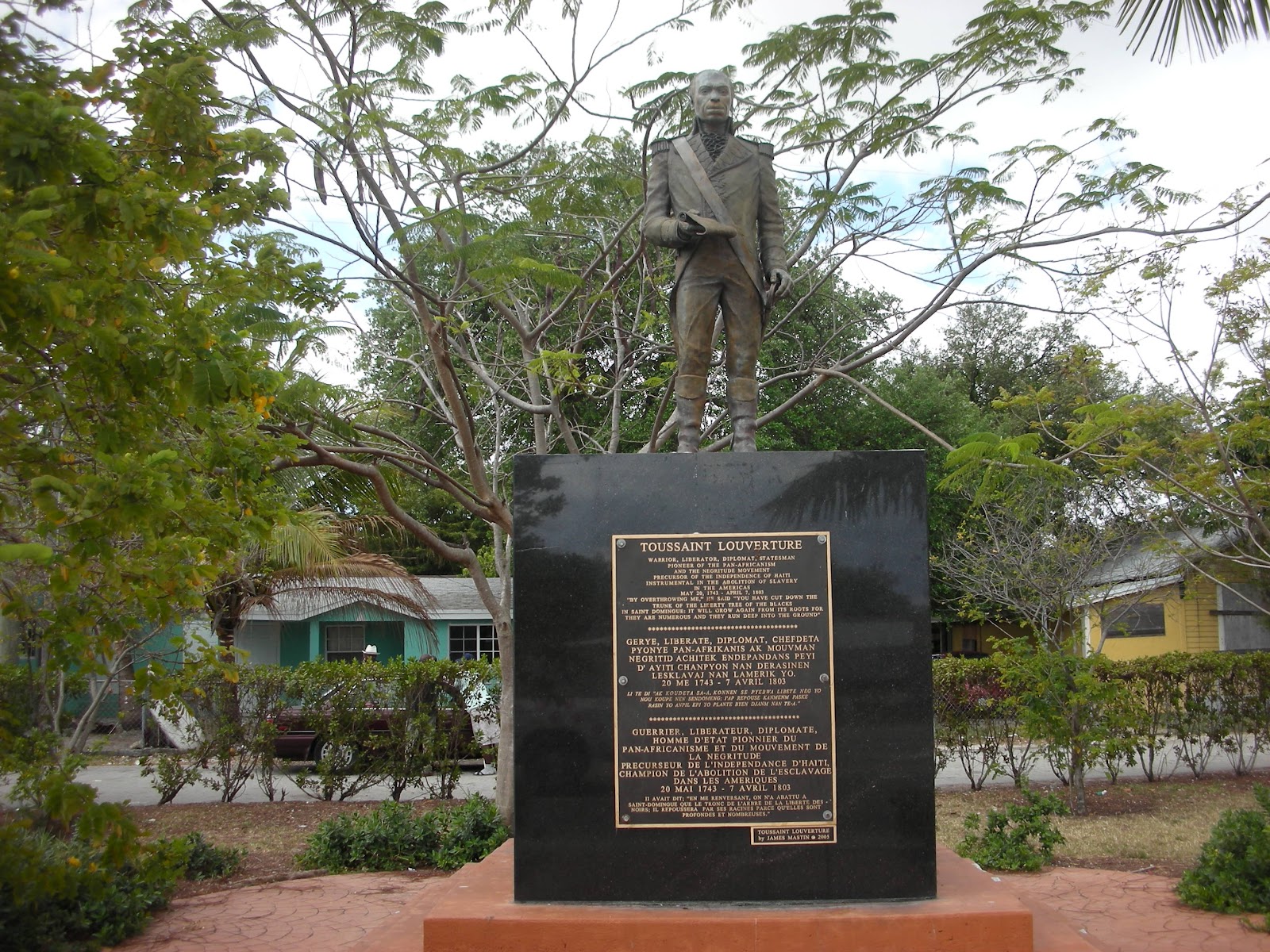
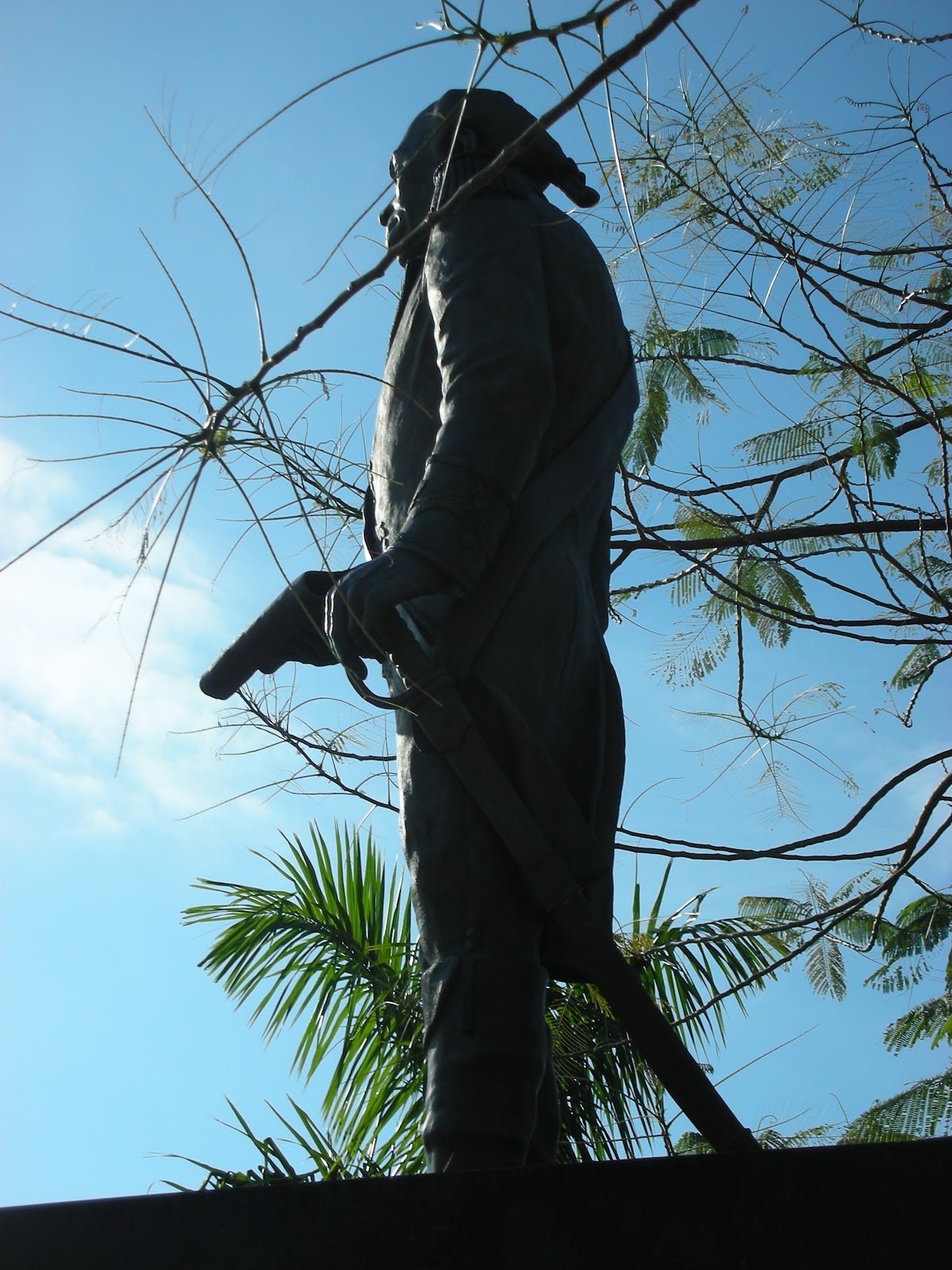
Is Toussaint L’Overture Packing Heat? Again?
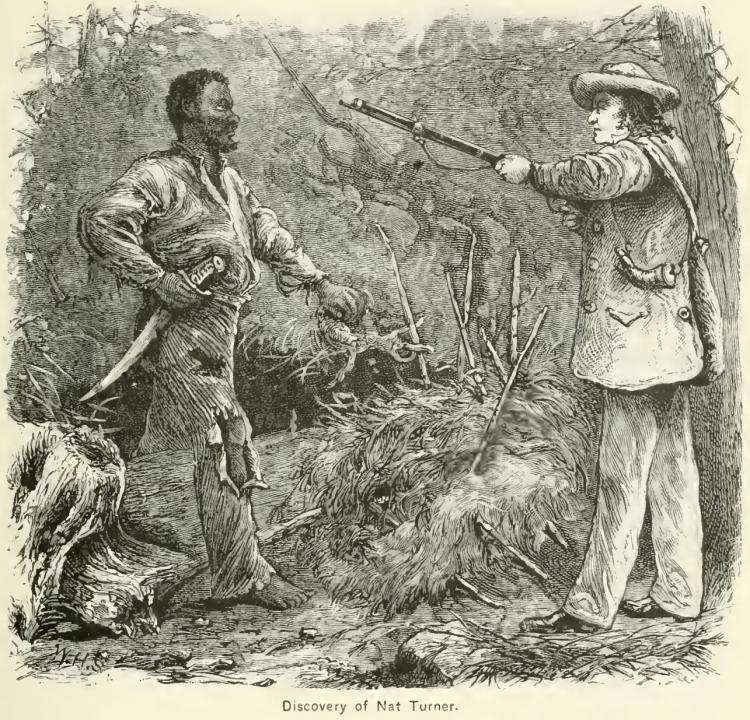
Nat Turner Sentenced To Be Hanged
No Skin In The Game
Part One; Part Two; Part Three; Part Four
Where The Sidewalk Ends, Racism Begins
Part One; Part Two; Part Three
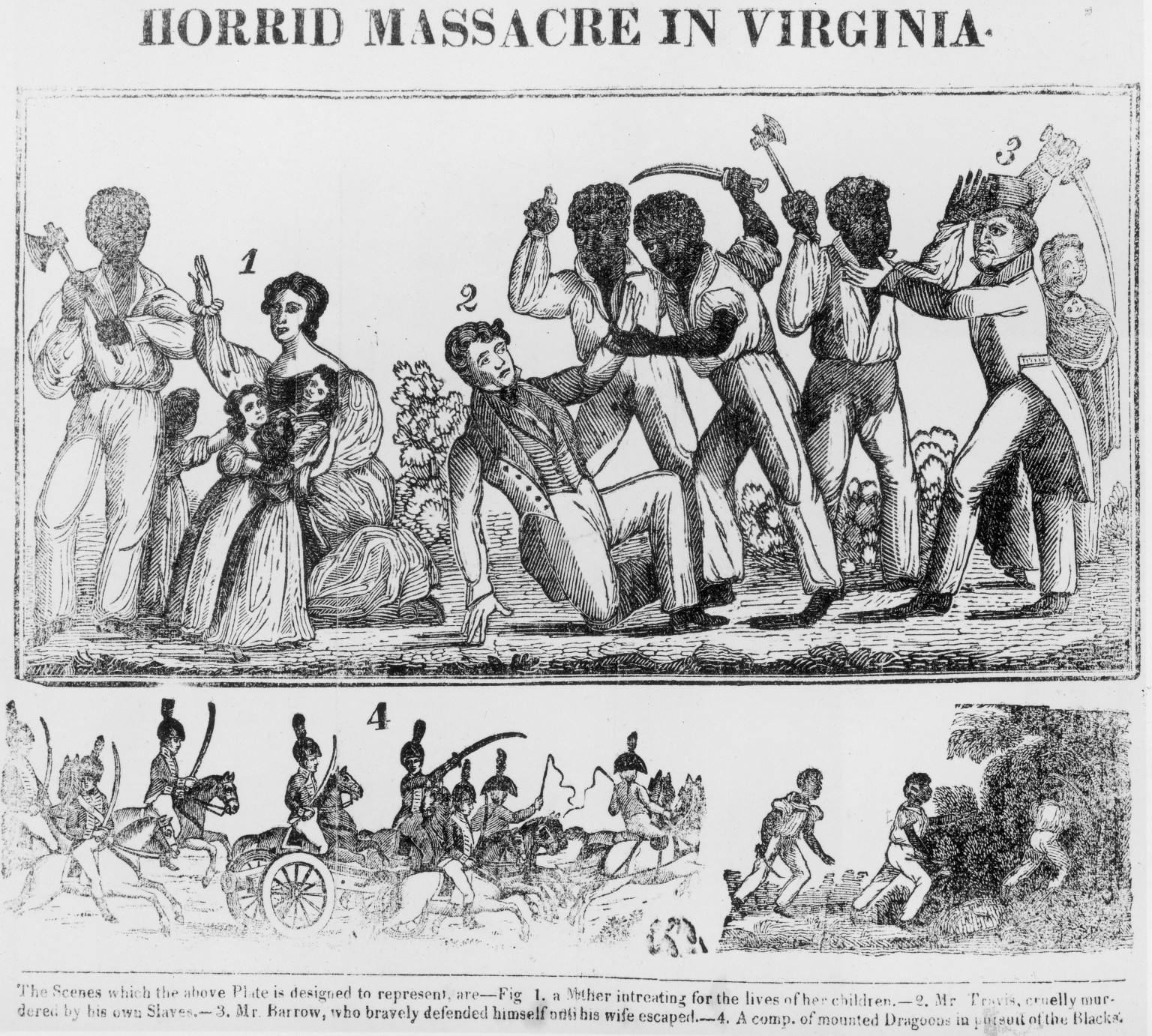
Rebellion or Revolt?
On the night of April 6, 1712, resentment reached a flashpoint. It began in, what was then, the middle of town, on Maiden Lane. There about 23 slaves met and began their rebellion. I’ll let Colonial New York’s Governor Robert Hunter pick up the story:
I must now give your Lordships an account of a bloody conspiracy of some of the slaves of this place, to destroy as many of the inhabitants as they could….when they had resolved to revenge themselves, for some hard usage they apprehended to have received from their masters (for I can find no other cause) they agreed to meet in the orchard of Mr. Crook in the middle of the town, some provided with fire arms, some with swords and others with knives and hatchets. This was the sixth day of April, the time of the meeting was about twelve or one clock in the night, when about three and twenty of them were got together. One…slave to one Vantilburgh set fire to [a shed] of his masters, and then repairing to his place where the rest were, they all sallyed out together with their arms and marched to the fire. By this time, the noise of the fire spreading through the town, the people began to flock to it. Upon the approach of several, the slaves fired and killed them. The noise of the guns gave the alarm, and some escaping, their shot soon published the cause of the fire, which was the reason that nine Christians were killed, and about five or six wounded. Upon the first notice, which was very against them, but the slaves made their retreat into the woods, by the favour of the night. Having ordered the day following, the militia of this town and the country of West Chester to drive [to] the Island, and by this means and strict searches in the town, we found all that put the design in execution, six of these having first laid violent hands upon themselves [committed suicide], the rest were forthwith brought to their tryal before ye Justices of this place….In that court were twenty seven condemned, whereof twenty one were executed, one being a woman with a child, her execution by than means suspended. Some were burnt, others hanged, one broke on the wheel, and one hung alive in chains in the town, so that there has been the most exemplary punishment inflicted that could be possibily [sic] thought of.
 Not surprisingly conditions for slaves became worse following the rebellion. Laws were quickly passed that prevented slaves from gathering in groups of 4 or more. They could not carry firearms, nor could they gamble. Punishment for those crimes was a whipping. However, the new laws also demanded the Death Penalty for property crimes, rape, and conspiracy to kill. In addition, owners who wanted to set their slaves free would be required to pay a tax of £200, which was far more than they could get by selling the slave to someone else.
It wasn’t until 1799 that New York outlawed slavery, but “it remained an intrinsic part of city life until after the Civil War, as businessmen continued to profit off of the products of the slave trade like sugar and molasses imported from the Caribbean” not to mention the products from the south.
Slavery is ‘Merka’s original sin. The sin of Racism continues to this very day.