Tag Archives: E.W.F. Stirrup

Unpacking The Aunty Em Ericann Blog ► A Writer’s Rant

Having been a professional writer for my entire adult life, I have come to the conclusion that Bill Gates ruined my trade.

Writing has always been something I did for as long as I can remember. If I wasn’t being paid to write, I was writing something for which one day I hoped to be paid. If neither, I was journaling, trying to capture smoke with my pen and ink hieroglyphics that often only I could decipher.

It was back at Sheridan College in the early ’70s that I got my first taste of writing to a deadline. I also learned how to publish on deadline, when I became the editor of “A” Student Magazine, working with an entire staff of writers and graphic designers to get issues out on time.

I was taking Media Arts and always assumed I would go into tee vee, or movies. Writing for the college paper was just for fun. So was being a DJ at Radio Sheridan, the ‘underground’ radio station that myself and several others had built from scratch a few years before. When I graduated, I became the first full-time paid manager for Radio Sheridan, which had been floundering after a series of part-time, student volunteer Station Managers almost drove the station into the ground.

Writing about music. What could be more fun?

During this period I started my first freelance writing/editing career. [There have been several.] First came ZoundZ Magazine, a small Rock and Roll handout placed at record store cash registers all over Toronto. Marty Herzog was my business partner and managing editor for a couple of years, for a couple of publications, as far back as “A” Student Magazine. ZoundZ [the second “z” was backwards] led to being asked to edit Cheap Thrills by Concert Productions International. It had promised a publication as part of its Cheap Thrills membership, a VIP line for ordering concert tickets. However a Cheap Thrills publication had never been produced and they were getting flack.

I was 100% against the idea. I loved the idea of having our own publication, without adult supervision. ZoundZ was starting generate income. We were being forced to consider more pages and a larger print run to justify the advertising we were getting from some of the “majors.” However, I didn’t have the headaches Marty did. He had been fronting all the money to have ZoundZ published. Aside from this, he did all the running around to printers and vendors, and sold all the advertising. Marty decided to ‘sell out’ to Michael Cohl and CPI (which really only solved his money headache) and I went along for the ride. [See my previous post on Ivor Wynne Stadium] For the first time in our loose partnership I was suddenly an employee. When Marty started ordering up good reviews of certain records because that’s what he promised the record company, I took a hike. My opinion was never for sale. I went back to freelancing. Marty went on to work for the record company to which he promised good reviews.

Over the years I have done every kind of writing there is, except the greeting card. I’ve crafted Hollywood puff pieces and gritty Rock and Roll profiles; written for Canadian music trade papers and various record companies; created artist bios, as well as reviewed concerts and records; practiced investigative and political journalism; did an entire decade as a tee vee news writer, where I called myself a ventriliquist; and, using the nom de plume Travis Bickel, wrote a regular column for Taxi News, while I drove cab and continued to sharpen my free lance Word-0-Matic Machine.

One of the supreme ironies is that I also wrote the first column in Canada which explored the nascent World Wide Web, still being called The Information Superhighway. I sucessfully pitched the editor of “We Computes,” a publication about hardware, the idea of monthly consumer-style column on those funny “http” things that had started to crop up everywhere you looked. At first Eric was baffled because even he didn’t know what an URL was and what it did. However, in the end, he took a monthly column for a couple of years, until a guide for navigating the World Wide Web seemed superfluous.

This is the same period when Bill Gates was turning the Information Superhighway into a point-and-click dealie. In the days of 300 baud modems and BBSs, one needed to know EXACTLY what to type on the C: prompt to get the computer to do anything whatsoever. Before Bill Gates made it easy, one needed to know programs like PINE and understand how to navigate USENET. Then came the mouse and GUIs and everything changed.

Suddenly HTML ruled and everybody and their brother thought they were a writer, which totally devalued the craft. Everywhere I go (on the innertubes) from the smallest sites to the largest, I see poorly written and poorly edited web sites. Most of these are making money hand-over-fist (whatever the hell that cliche means). Meanwhile, I’ve barely figured out how to monetize this web site. [I continue to be open to suggestions.] If I were being paid by the hour for these words, I’d starve. The irony is that I should have seen this coming and found a way to cash in. 

That’s why every once in a while I write one of these Unpacking The Aunty Em Ericann Blog posts, which my regular readers recognize as my way of urging them to click on one of the adverts. They know it doesn’t cost a cent, but will put a few — and I do mean few — cents in my pocket. Go ahead. It won’t hurt at all.

Now, don’t you feel better? Meanwhile, let’s break down the Top Ten Posts for the last 30 days, pulling back the curtain:

A moment on this blog frozen in time.

My post on the Detroit Riots has exploded. While it’s #1 for the month at 488 hits, it’s managed to climb to #3 on the All Time Top Posts with 916 views. That means most of the growth came in the past month for reasons that totally elude me. I’m grateful, because it’s one of the posts I’m most proud of.

The next 3 posts are all interrelated. I’ve been researching Coconut Grove, more specifically E.W.F. Stirrup, for several years now. The #2 post contains the latest research and celebrates Coconut Grove’s birthday. During my research into West Grove, someone in the neighbourhood alerted me to a controversy that was already being called Trolleygate. An Introduction to Trolleygate and The Trolleygate Dog and Pony Show are my first two investigative pieces on Trolleygate, a scandal that’s sure to keep on giving.

The rest of the Top Ten is filled with Fox News Snark, but sneaking into the pack at #7 is my post on Josephine Baker, another one I’m proud of. It also seems to be a favourite of my readers because it clocks in as #2 on the All Time Top Posts list with, 1,235 clicks.

So, there you have it. If you got this far, you owe me. Click on an advert or you’ll never be able to look at yourself in the mirror without feeling a pang of guilt. Seriously.
Happy Birthday Coconut Grove!!! Now Honour Your Past

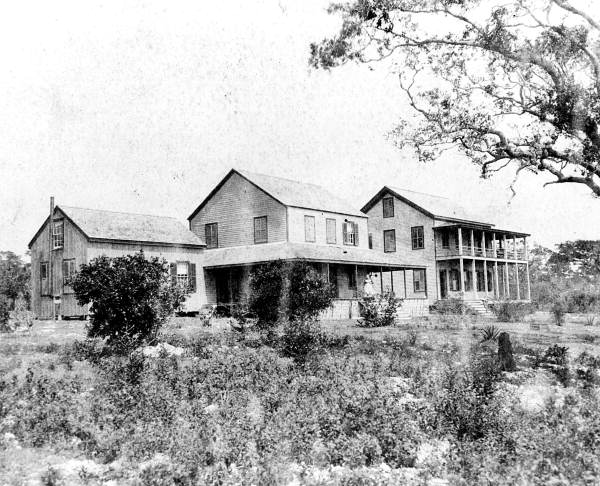
Peacock Inn circa 188?.
Courtesy State Archives of Florida, Florida Memory

Dateline January 6, 1874 – Dr. Horace P. Porter establishes the first post office in Cocoanut Grove. In the 138 years since, Coconut Grove dropped the “a” and became one of the most exclusive areas in the country, as it continues to bury its past in a way that can only be viewed as racist.

One of the first tourist attractions in south Florida was the Bay View House, built in 1883 by Charles and Isabella Peacock. It was later renamed the Peacock Inn (and is now the site of Peacock Park). Ralph Middleton Monroe also began building The Barnacle (now Barnacle Historic State Park) around the same time and Camp Biscayne a little later. While Cocoanut Grove (it didn’t lose the “a” until it was annexed by Miami in 1925) was still a virtually swamp infested wilderness, all of this development required staffing. Consequently, a parallel service industry grew around this progress and, as has always been the case in ‘Merka, these people tended to be Black.

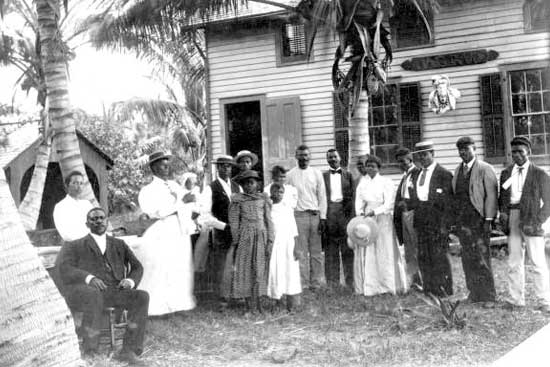
“Black citizens of Coconut Grove”
The entire Black community of Coconut Grove gathered
together in front of Commodore Ralph M. Munroe’s
boathouse. Photo taken 189?
Courtesy State Archives of Florida, Florida Memory

A Black population requires a Black enclave, of course; a place where White people don’t want to live, mostly because any Black person is welcomed. What is now known as West Grove became the area where Blacks, mostly from the Bahamas, congregated. One of the first was Mariah Brown, a Bahamian who lived in Key West. She had been hired by The Peacocks and, as “Mary the Washerwoman,” originally lived at the Inn. However, after she married Charles Brown they purchased a lot from Joseph Frow (who sold the Peacocks their plot of land as well), and built a house on Evangelist Street (now Charles Avenue) around 1892.

Joseph Frow was the first person to buy property off Biscayne Bay, in what later became Cocoanut Grove. His father Simeon had been appointed Cape Florida Lighthouse keeper in 1859. His brother John became lighthouse keeper in 1868. The lighthouse is on the southern tip of Key Biscayne and is the oldest standing structure in Miami-Dade county, even though it had to be rebuilt in the 1840s. Well familiar with the area, Joseph Frow bought up a very large chunk of land which he parceled off over the years.

1774 Map of Biscayne Bay, with Key Biscayne almost dead center.
Note: Where Coconut Grove would be located 100 years later
is labeled Grand Marsh. It was one. Map courtesy of Janthina Images,
which sells beautiful photo cards of the Cape Florida Lighthouse.

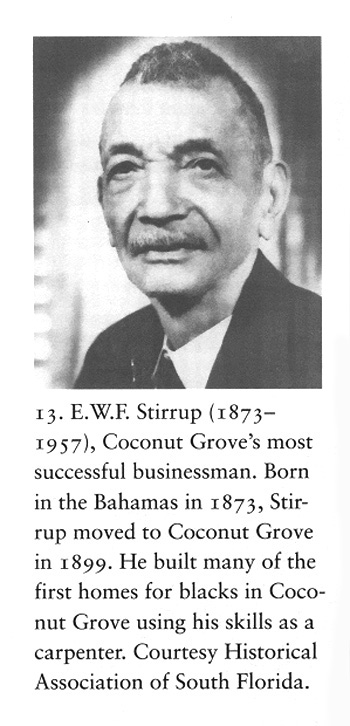
One of the men who worked in Cocoanut Grove was Ebenezer Woodbury Frankin
Stirrup, another Bahamian who came up through Key West. Being a carpenter
by trade, Stirrup’s skills were probably in high demand. It’s likely
that he worked for a variety of employers, Joseph Frow undoubtedly among them. Stirrup cleared land for Frow and it was backbreaking work. The area was little more than swamp land with occasional dry hummocks. Frow repaid Stirrup with land; for every plot of land Stirrup cleared, Frow deeded him a plot of land. Eventually E.W.F. Stirrup became one of the largest landowners in Coconut Grove and, eventually, one of Florida’s first Black millionaires.

From Black Miami . . . a brief look back

E.W.F. Stirrup was a man well ahead of his time. He believed that home ownership was important to growing Black families. To that end he used his land on which to build more than 100 houses on the streets surrounding Evangelist Street, which he sold or rented to the families that had emigrated to serve the growing tourist trade. This is also what made Coconut Grove unique. It had a higher Black home ownership than any other Black enclave in ‘Merka.

Over the years the neighbourhood has remained predominately Black, as families passed the homes down from one generation to the next, the way some families pass down precious jewels. This is also what kept the neighbourhood intact, as one urban renewal plan after another faltered when the City of Miami and developers couldn’t convince the homeowners to sell their most prized possession for peanuts.

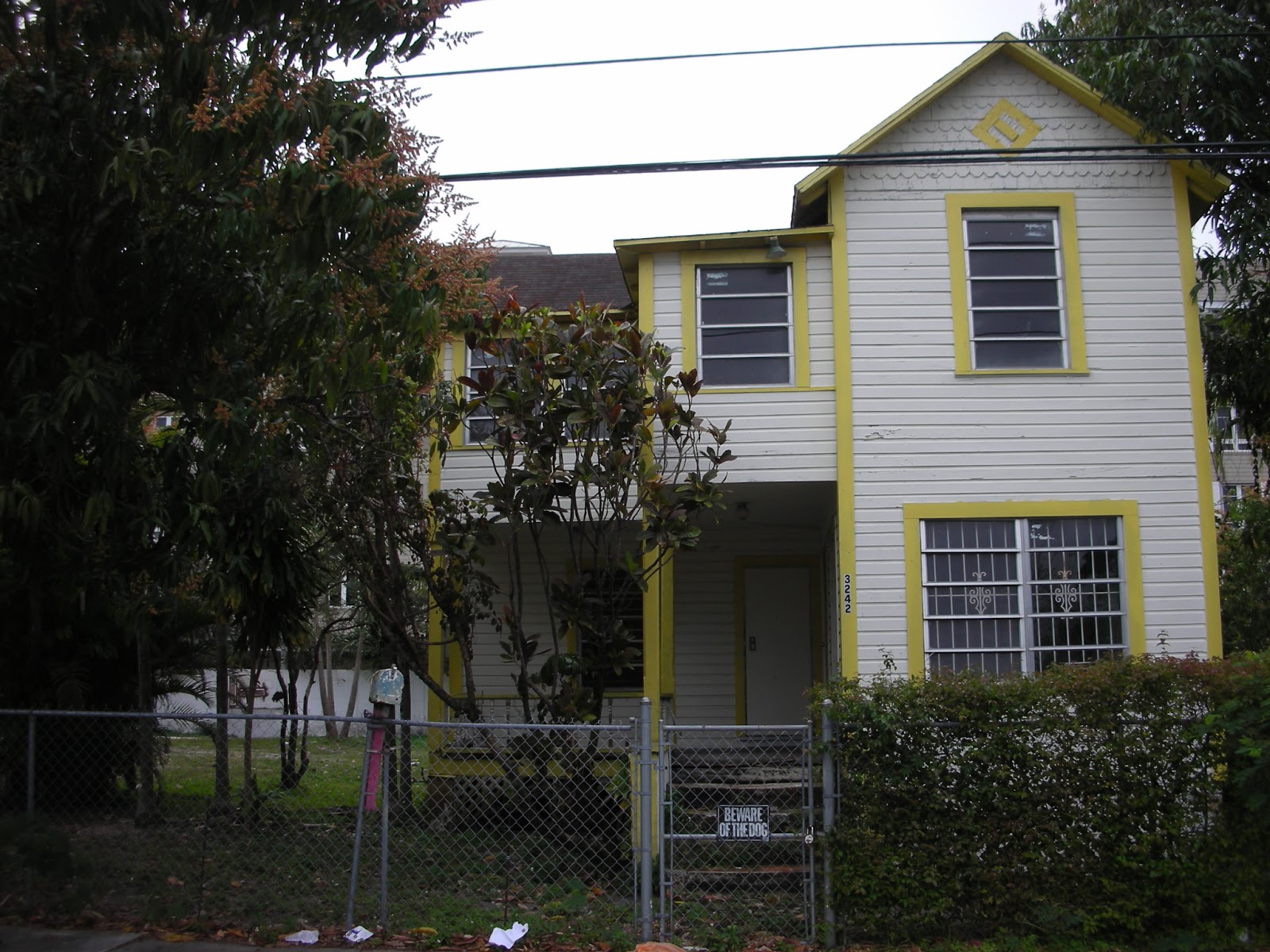
Stirrup built his own home, of course, in late 1890s. The E.W.F. Stirrup House is the showplace he built for himself near the corner of Charles Avenue and Main Highway. Unlike most of the other houses in the West Grove, the Stirrup House is 2 stories. While it’s based on the simple Conch Style that informs the Mariah Brown House, it has been elaborated upon and added to over the years. At one time the house looked out over Stirrup’s substantial holdings. According to a report prepared by the City of Miami [PDF] to consider an historical designation for the E.W.F. Stirrup House:

The contributions of the African-American community to the City of Miami actually predate the City’s incorporation in 1896. As early as 1880, Black Bahamians arrived in Coconut Grove and began a community that still thrives today. Ebenezer Woodbury Franklin Stirrup migrated from the Bahamas to South Florida in 1888 and worked as a carpenter’s apprentice in Key West, and then as a laborer in a pineapple field in South Dade. He ultimately became a millionaire Coconut Grove property owner. Stirrup built his home in Coconut Grove, using all his construction skills to create an impressive, yet understated, residence for his family. Mr. Stirrup lived in the house until his death in 1957, a total of 58 years.
Mr. Stirrup is remembered today as an extraordinary example of entrepreneurship, a man who made the transition from immigrant to enormously successful Coconut Grove landholder, and who built more than 100 houses for African-Americans. His is an amazing legacy, as his success is all the more incredible when it is remembered that his accomplishments took place in an overwhelmingly segregated and discriminatory environment. When Ebenezer Woodberry Franklin Stirrup died in 1957 at the age of 84, he was not only one of the largest landholders in Coconut Grove, but also had done much to improve the housing conditions of the African-American community.
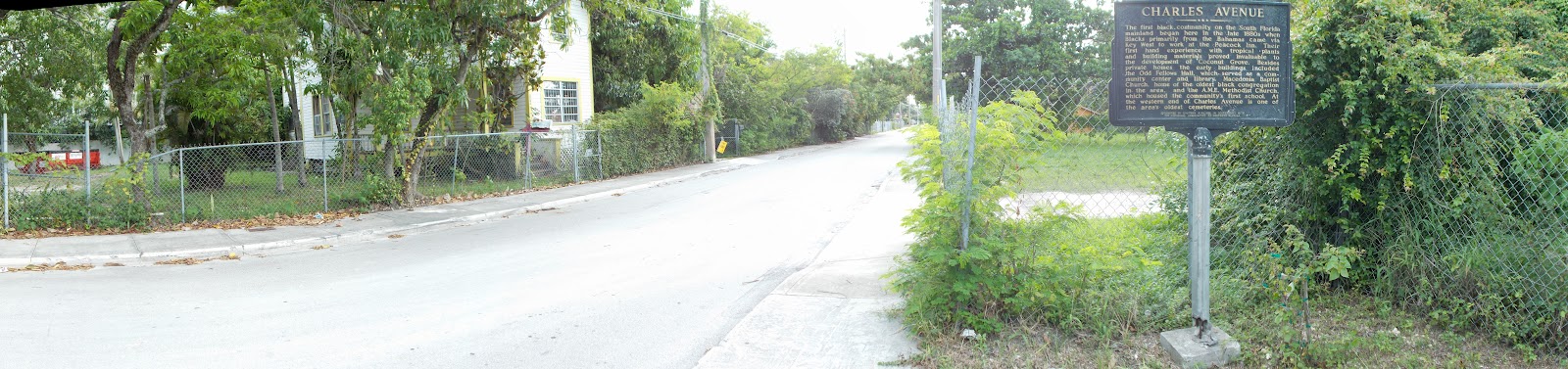
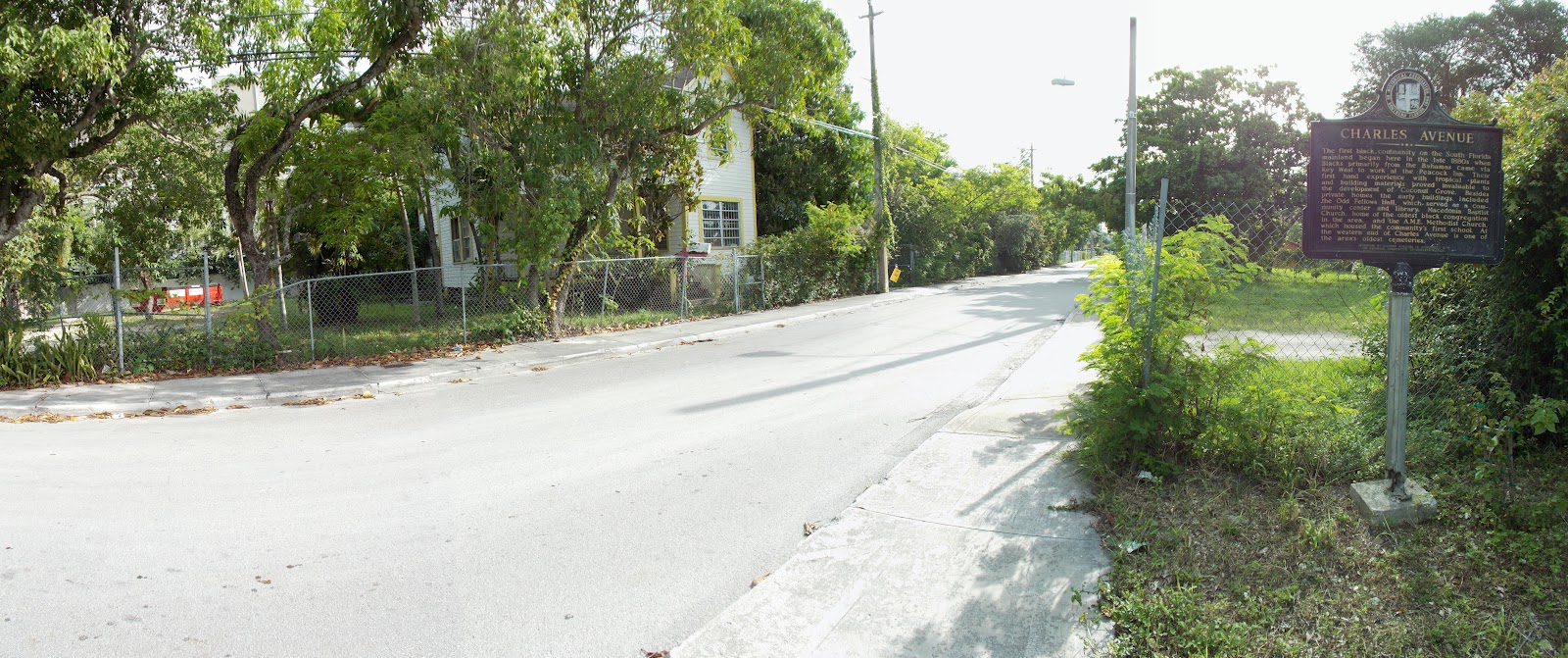
Panorama by author of E.W.F. Stirrup House with the Charles Avenue Historical Marker in foreground

Meanwhile, the E.W.F Stirrup House — the last remaining symbol of an important man who once shaped what is now one of the most exclusive areas in the country — is allowed to undergo Demolition By Neglect by a rapacious developer who hopes to develop the property.

There can be no doubt that if Mr. Stirrup were White, his home would have been a shrine by now. The Barnacle, Commodore Monroe‘s old homestead just a block away from Stirrup’s, is now a state park and the house restored to its earlier splendour. Commodore Plaza, which begins two blocks north of the Stirrup House, is named after him. However, try and find something named after E.W.F. Stirrup, aside from E.W.F. Stirrup Elementary School, which is 10 miles from the community in which he made his fortune. Not even the historical marker across the street from his property, which honours the original Black Bahamian immigrants, mentions E.W.F. Stirrup by name.

Likewise the Mariah Brown House. If Brown were White, and owned the first house in an important historical district, her house would not sit empty and boarded up today. Even worse, the Mariah Brown was slated to have been renovated as a museum and community/historical resource. That project started in 1995 and has been stalled since 2000!!! However, unlike the Stirrup House, the current Mariah Brown house is not even the original structure. According to GrandAveNews:

The original house, 3298 Charles Ave., was built in 1889. The Coconut Grove Cemetery Association bought the home, which was in severe disrepair. The group razed it in 1999 and built a replica in 2000.

However, the E.W.F. Stirrup House is the real deal. While there appears to have been been several additions over the years, it’s still the original house, much of it built by Ebenezer’s own hands. As it continues to undergo Demolition by Neglect, the E.W.F. Stirrup House is also a symbol of something else in Coconut Grove: the quiet racism that has kept West Grove impoverished right from the beginning. Despite the The Grove’s reputation for more than a century as a laid-back, funky, village which attracted painters, Bohemians and later Hippies, Black Coconut Grove has been allowed to slowly slide into disrepair as White Coconut Grove has become one of the ritziest in the country. The 33133 Zip Code is now considered one of the most exclusive in the country. Within a mile’s radius of the Stirrup House today one can find homes, condos, and townhouses priced from a million dollars all the way up to $22 million, or so.

Developer Gino Falsetto controls the Stirrup property through a 50-year lease. However, due to provisions in Ebenezer Stirrup’s will the Stirrup House must remain in the hands of the Stirrup Family. Ever since he wrested away control from E.W.F. Stirrup’s descendants several years ago, Falsetto appears to have conducted a deliberate campaign of Demolition By Neglect. It has been empty for many years now and he has not even done the barest minimum to ensure the house doesn’t fall apart. The house is entirely exposed to the elements with glass not in several of the window frames facing the ocean, where the prevailing winds come from. Vines have been allowed to grow up the walls and across the roof, with roots no doubt causing damage to those areas of the house. There is exposed wood rot all around the outside of the house, mold and mildew being one of the greatest concerns for any wooden structure in south Florida, which is why wood is no longer used as a building material here. The mold continues inside the house as well, living along side the termites that are eating the structure away from the inside. The property has been cited several times by City of Miami inspectors because of a lack of upkeep, in contravention of several Miami by-laws. Between citations by the City of Miami, the E.W.F. Stirrup property is allowed to become a trash heap, until it’s cited all over again.

Eventually City of Miami building inspectors will come along and condemn
the structure, saying it’s too far gone to save. No doubt this is what
Aries Development, the company that holds the Stirrup lease,
wants. The E.W.F Stirrup House stands in the way of Aries making mega-millions of moolah.

From the large white structure on the bottom (Grove Gardens Residence
Condominiums) to the larger white structure at the top (Commodore Plaza)
is a massive area that could be developed for mixed-use by Aries if only
that pesky E.W.F. Stirrup House didn’t stand in its way. Click to enlarge.

Follow the bouncing ball: Aries developed the Grove Gardens Residence Condominiums, the white building immediately south of the E.W.F. Stirrup House (yellow rectangle in map on the right). Right across Charles Avenue are two vacant lots (the orange rectangle) that also appear to be controlled by Gino Falsetto and/or Aries Development and/or a shell company. Aries had owned these lots previously, but defaulted and the bank took them back in foreclosure. However, who should win the auction, but Gino Falsetto’s long-time partner-in-(alleged)-crime Pierre Heafy. It hardly appears to be a hands-off sale. Lastly, Immediately to the east of those vacant lots is the Coconut Grove Playhouse, which the state of Florida just recently took back from the bankrupt board that ran it into the ground 7 years ago. Through a loan that Aries claims it made to the board several years ago in an attempt to keep it solvent, Aries has always claimed a legal control of The Playhouse as well. Until recently that has stalled any progress on the Playhouse being renovated. Aries doesn’t appear to have dropped its claim, so it might have to be tested in a court of law no matter what happens to the Playhouse down the road. The state of Florida has put the property up for sale as surplus.

As tangled as all of that sounds, here’s the simple takeaway: The E.W.F. Stirrup House is the only remaining impediment to Aries Development (Gino Falsetto) having one of the last sizable properties that could be zoned for mixed-use in Coconut Grove. No doubt that’s the reason Gino Falsetto has done nothing to protect the E.W.F. Stirrup House. It stands in the way of progress and a huge profit.

It’s time for Coconut Grove to honour its entire history — the Black as well as the White that’s already been memorialized — and say no to a developer who is trying to destroy an important part of Coconut Grove history.

SAVE THE E.W.F STIRRUP HOUSE!!!


Read my entire “Unpacking Coconut Grove” series by clicking the link below:

Unpacking Coconut Grove ► A Compendium

Unpacking Coconut Grove ► Part Nine ► Good Neighbours and Bad Neighbours

A recent article in the South Miami News caught my attention. The headline reads “Neighbors hope buyer can be found to preserve historic Milledge House.” The story concerns a house less than 3 miles away from the E.W.F. Stirrup House, the 120-year old house I am trying to save from a (allegedly) rapacious developer.

In short: The Milledge house was built in 1901, on a plot of land less than a half mile away from where it currently sits, and moved to SW 74th Street in 1944 by the Milledge family. “It was historically a cracker farm house,” said owner Lewis Milledge. “Mom put in federal features and changed the window treatments for the look of colonial Williamsburg.”

The good neighbours of SW 74th Street are hoping a rapacious developer doesn’t swoop in and buy the Milledge House, priced at $1,085,200. The house sits on an irregular sized lot several times the size of size of the lots in the general vicinity. This size makes it quite attractive for a developer to snatch up and subdivide the lot and build several houses  Raquel Garcia writes:

The irregular-sized lot on which the Milledge House sits.

It is a tranquil and flourishingly green street where the cardinals still sing loudly in mid-afternoon and the neighbors get together for block parties and holidays. Several area property owners have united to lobby for the uneventful transfer of the Milledge home now for sale at 4700 SW 74 St. The community hope is that a new buyer will also fall in love with the neighborhood and preserve the property and character of the street.

“We all love our block,” said neighbor Jill Kramer. “We want to maintain the charm of our street, it is very important to us. We are afraid of developers that don’t care.”

The Grove Gardens Residence Condominiums peeking out from
 behind the E.W.F. Stirrup House. Note all the garbage allowed
to collect around the tree. Photo taken September 7, 2012.

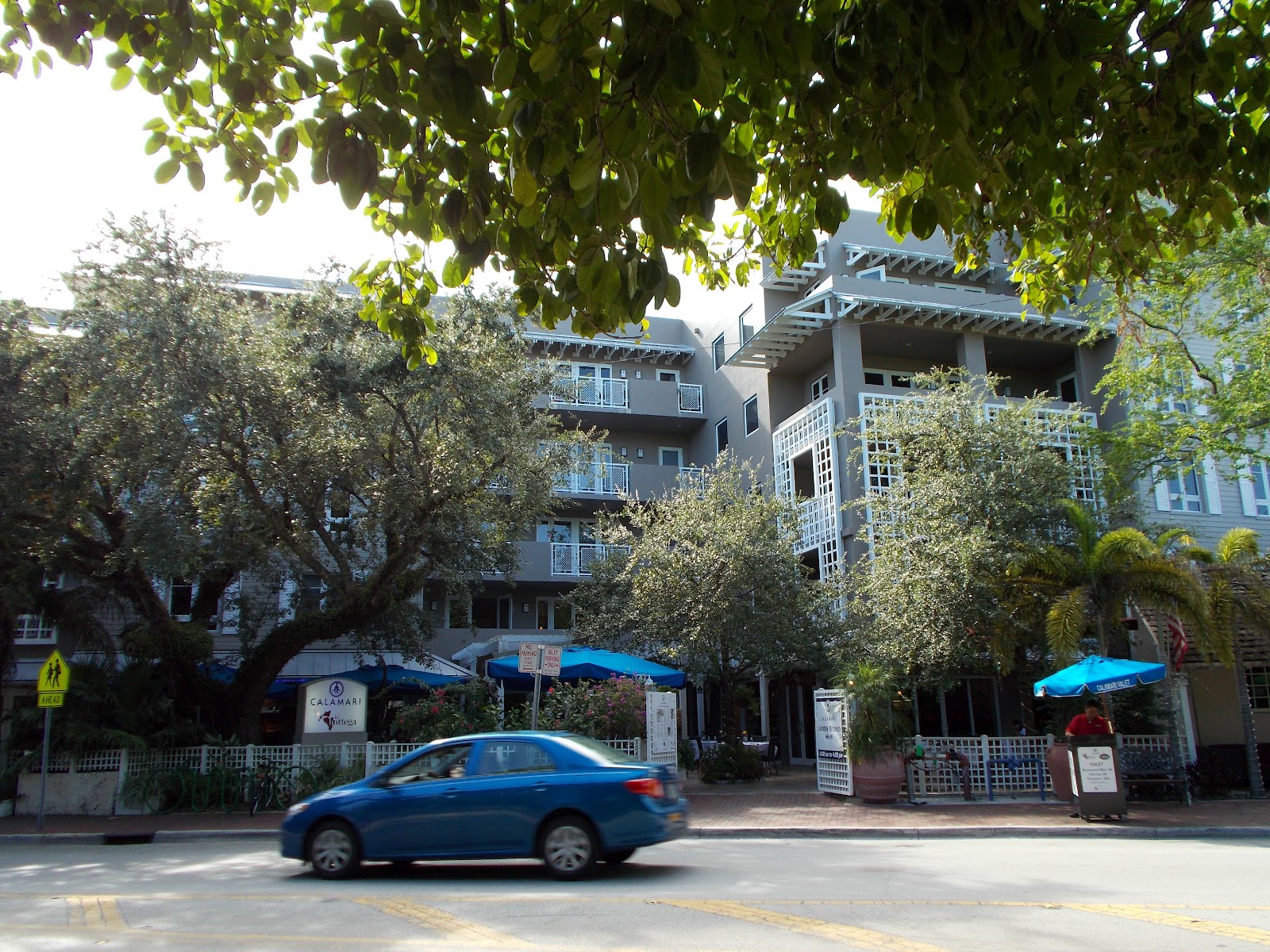
A developer who doesn’t care could be considered a bad neighbour; concerned only about profits and not about the character of a neighbourhood. One developer that has proven himself to be a bad neighbour concerned more about profits than the character of a neighbourhood is Gino Falsetto, one of the owners/developers of Grove Gardens Residence Condominiums immediately behind the E.W.F. Stirrup House. Falsetto, through his Aries Development company claims to have a 50-year lease on the E.W.F. Stirrup House. According to the memories of residents along Charles Avenue, when the Grove Gardens Residence Condominiums was built, it was expected that the Stirrup House would be renovated for the community as a community center of some sort. However, that never happened and the house has now been sitting idle and empty for a number of years.

The Grove Gardens Residence Condominiums where owners spend nearly a million dollars to buy a unit.
Pile of trash behind the E.W.F. Stirrup House, visible from
the Grove Gardens Residence Condominiums, but not
from the street where by-law inspectors would see it.
Photo taken September 7, 2012

Imagine if you paid close to a million dollars to buy a condo unit in the
Grove Gardens Residence Condominiums. From the street your building — with its two high-end restaurants, old-timey Taurus Bar, and valet parking — looks beautiful. Then you take a look out your condo window, only to look down at the trash
heaps that have been allowed to grow like Topsy on the property of the E.W.F. Stirrup
House. You would naturally think you had a bad neighbour. However, you probably
would never know (unless you’ve done the kind of research I’ve done) that your
bad neighbour is also the same developer that owns the building you
bought your condo in. That would make you a bad neighbour by osmosis.

If you lived along Charles Avenue, especially if you were a property owner, you would have every reason to think you had a bad neighbour. You would have been walking past the the E.W.F. Stirrup House for the last several years, watching the house fall apart due to Demolition by Neglect. If you cared about your own property values, you would be concerned about the weeds allowed to grow on the Stirrup property and the fact that no one cleans up the trash allowed to accumulate. Take note at the garbage allowed to collect around the tree in the picture above left. It takes weeks for that much garbage to pile up. More telling, however, is
this series of pictures taken several weeks apart:

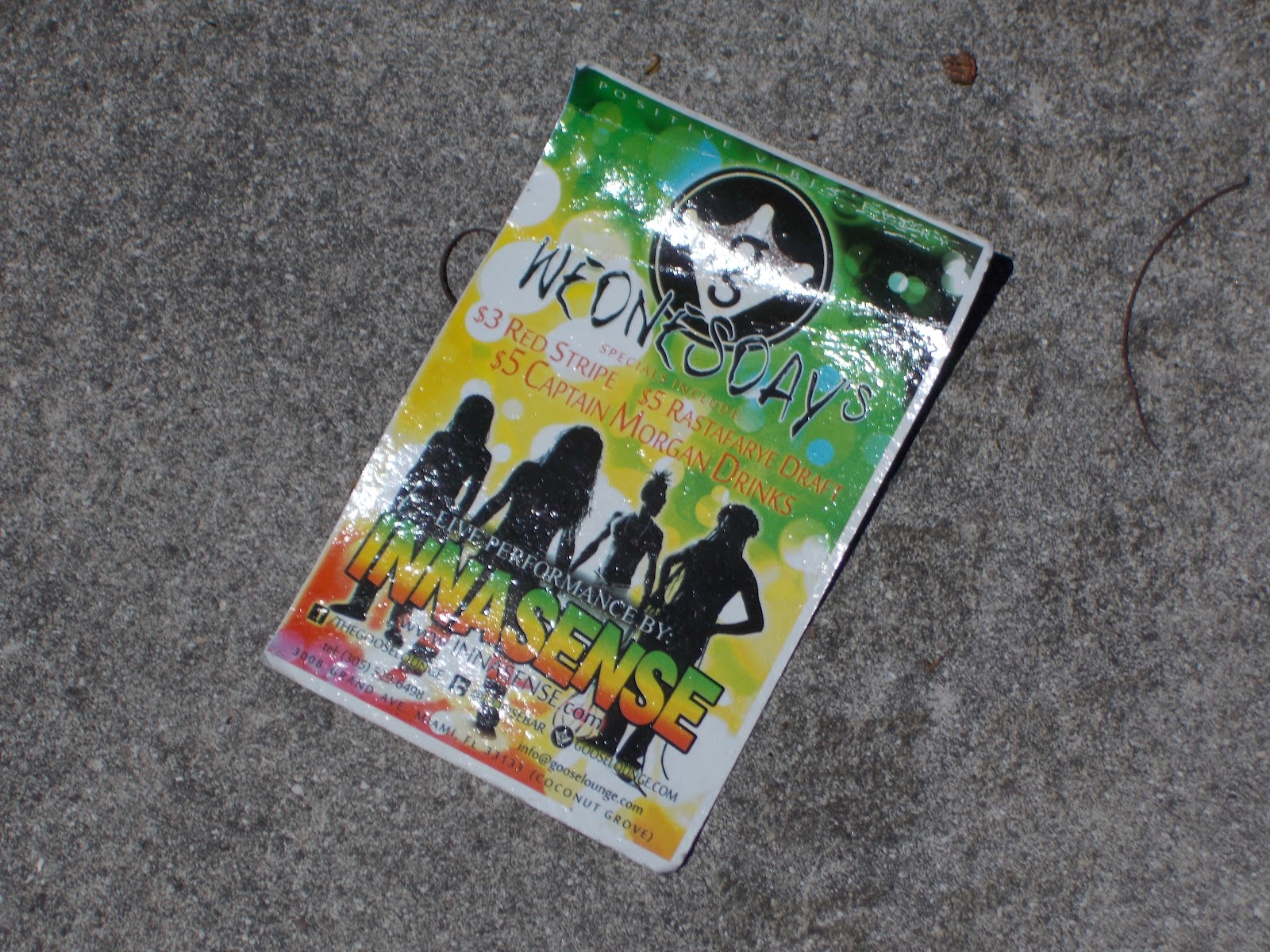
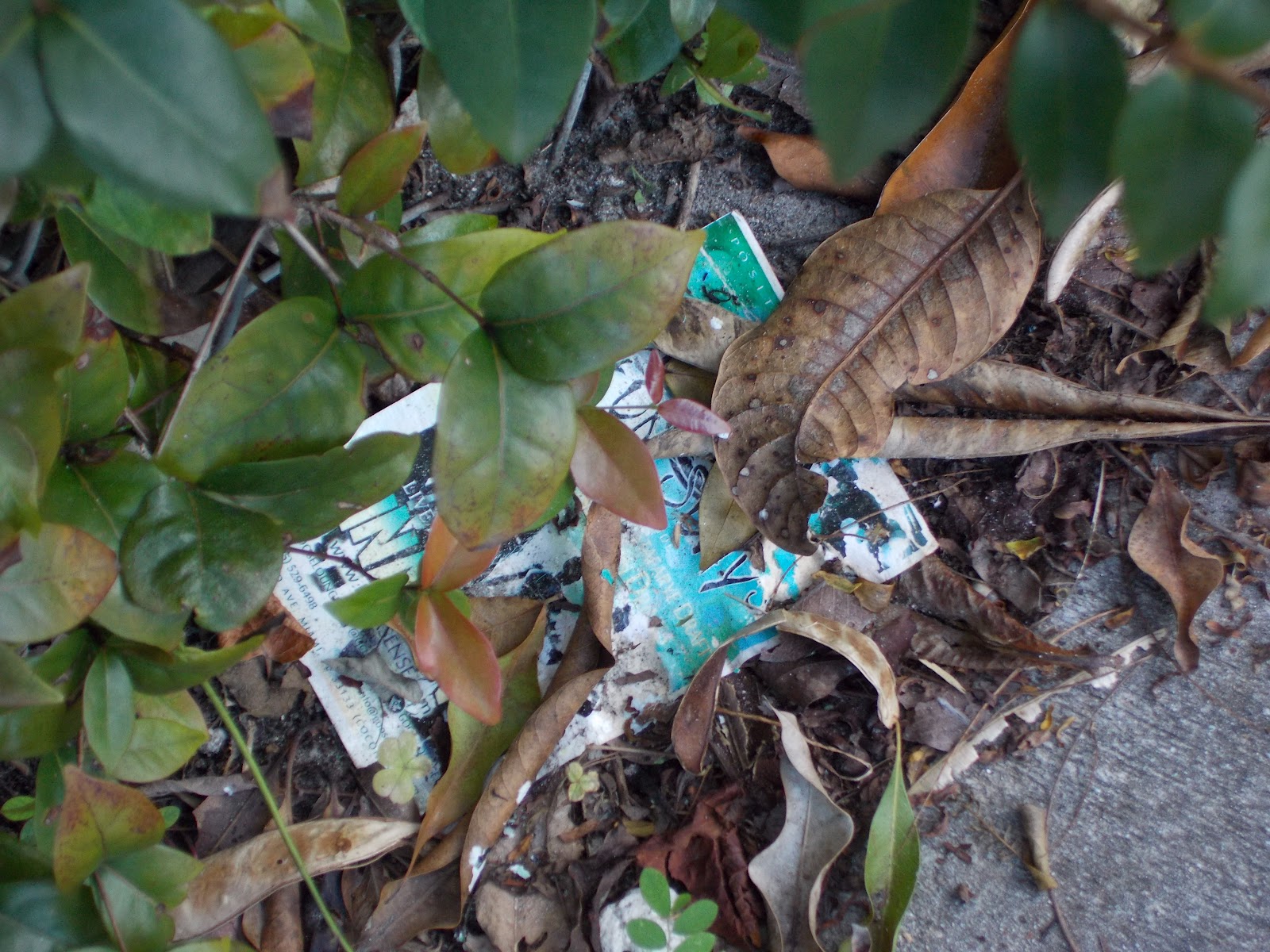
On the sidewalk immediately in front of the E.W.F. Stirrup House was a postcard-sized flyer on August 20, 2012.

The same flyer blown closer to the fence, still on the sidewalk in front of the E.W.F. Stirrup House on August 24, 2012
The same flyer, now faded, closer to the fence, and almost buried by leaves and growth on September 7, 2012.
Graffiti tagged wall on September 7, 2012.

Neighbours walking along Charles Avenue would also be able to see the graffiti tagged on the wall that separates the E.W.F. Stirrup property from the Grove Gardens Residence Condominiums. They would also be able to see the piles of garbage, including carper remnants, nestled up against that wall. These piles have also been growing bigger week by week, even though there’s a dumpster on the property in which this garbage could be thrown.

I would also be remiss if I didn’t point my finger at another bad neighbour in Coconut Grove. Tom Falco is the Editor and Publisher of the Coconut Grove Grapevine. In my opinion he’s far worse than Gino Falsetto. No one really expects a (alleged) rapacious developer to be a good neighbour. Developers generally tend to be out for themselves; to make a profit at any cost. However, that’s exactly how Tom Falco appears to run the Coconut Grove Grapevine. While he pretends to care about Coconut Grove, Falco only seems to care about his pocketbook.

Tom Falco’s logo used under Fair Use laws.

Tom Falco laughingly calls the Coconut Grove Grapevine “Coconut Grove’s Only Daily News,” but that would be a misnomer. It’s only the news that he feels wouldn’t hurt his bottom line. When asked to help me on deep background to better understand the politics of Coconut Grove he told me that he didn’t “want to get involved in that.” However, continued research has confirmed my original suspicions: If it’s something that’s happening in White Coconut Grove, Tom Falco is all over it and promoting the hell out of it. If it appears that a business might have money to spend on advertising in the Coconut Grove Grapevine, Falco is all over that too. However, when it comes to Black Coconut Grove, or Charles Avenue, Tom Falco has little to say. And, what he does have to say, seems carefully modulated so that it will not offend any of his potential benefactors, such as the restaurants on the ground floor of the Grove Gardens Residence Condominiums, also owned in part by Gino Falsetto.

STOP THE PRESSES!!! Oddly enough, just as I was preparing to publish this column, I was also going to say that Falco has written very little about the Coconut Grove Playhouse, when — Lo & behold — it appeared that he did so between my starting this article early this morning and now. Falco says:

I have a theory and I am probably wrong, but this constant stalling and battling tactic [on the Coconut Grove Playhouse] may be taking place on purpose so that the whole thing crumbles in on itself and the structure can then be knocked down and a new structure can be placed onsite, which many people want.


[…]

 One of the entities involved is cheating me out of about $2000 for advertising (that’s another story I’ll post soon), so I am not surprised at this point that crooked hands may be at play here.

That’s always been my theory about the Coconut Grove Playhouse and the E.W.F. Stirrup house: Demolition by Neglect. Falco links to a story in the Miami Herald which mentions Aries Development by name. This is the same company — owned in part by Gino Falsetto — that has also scuttled previous deals to return the Playhouse to the city of Miami and the same Aries Development that claims a 50-year lease on the E.W.F. Stirrup House. If this is the company that has allegedly cheated Falco out of $2,000, maybe he finally understands why I have been investigating Gino Falsetto. If not, who’s been cheating Tom Falco’s Money Making Machine?

BTW: the Miami Herald says:

[Miami-Dade Mayor Carlos] Gimenez was able to engineer a settlement agreement with one of two main playhouse creditors, developer Henry Pino. But the second, Aries Group, which had previously reached an agreement with the playhouse board to redevelop the property, claimed it was owed more than $2 million by the nonprofit group.

I keep trying to tell Tom Falco that I have nothing to gain in trying to save the E.W.F. Stirrup House. I’m not a resident of Miami and/or Coconut Grove. I am not Black. I have no advertising to sell that would impede my journalistic endeavours. I am trying to save a 120-year old house and the legacy of the man who built it simply because it’s the right thing to do. I’ve done a lot of legwork on this story. Maybe Tom Falco is willing to join forces with me to see this house is not lost to a developer to do whatever he wants with it. [Unless that’s not who allegedly cheated Falco out of $2,000. If it’s someone else, never mind.]

Tom, you have my email address. I am always open to talk about how we can work together save this house.

Coming up next: The Broken Window Theory of Criminology.

***

***

A Charles Avenue Love Story ► Unpacking Coconut Grove ► Part Five

The Charlotte Jane Memorial Park Cemetery

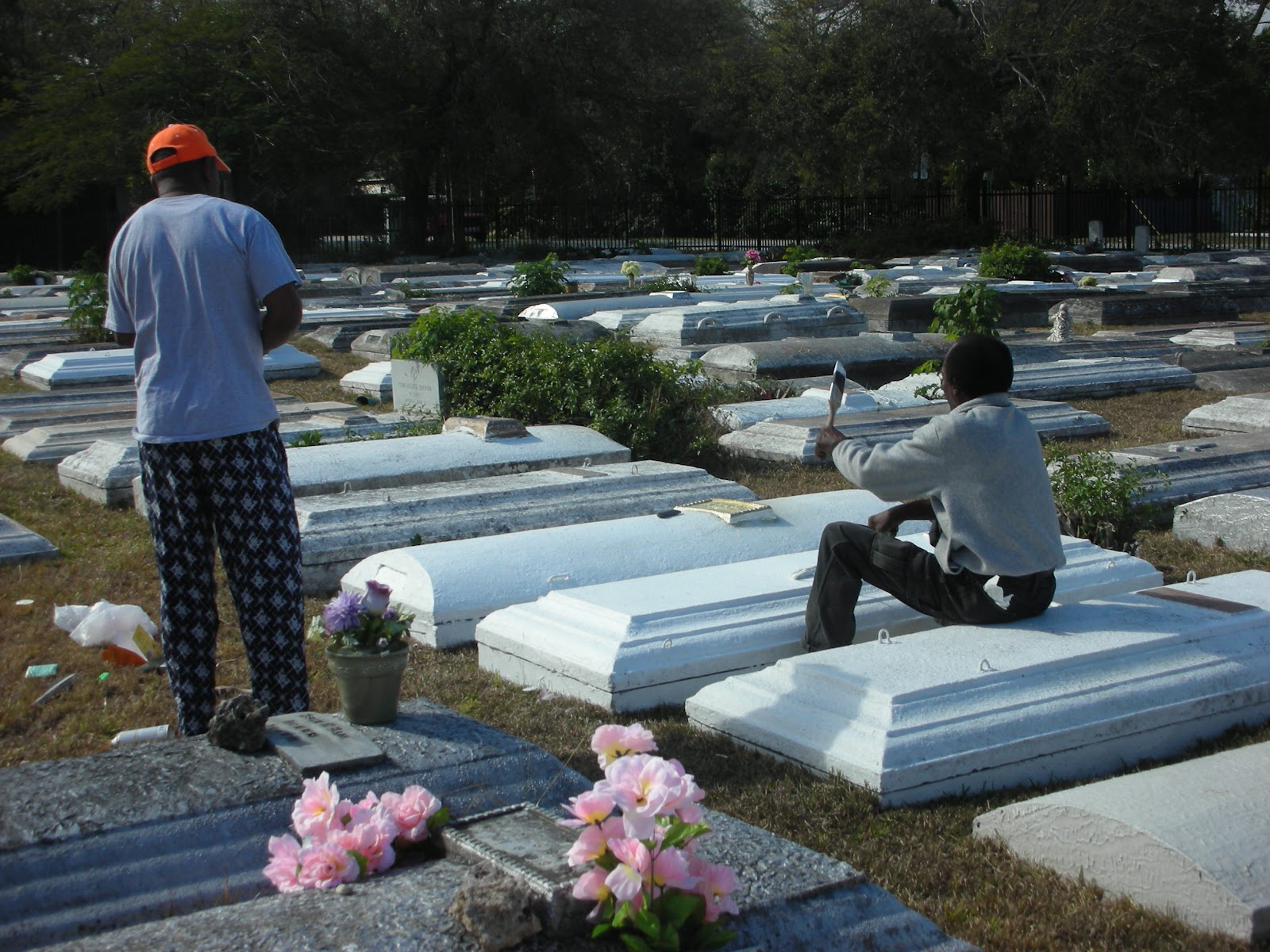
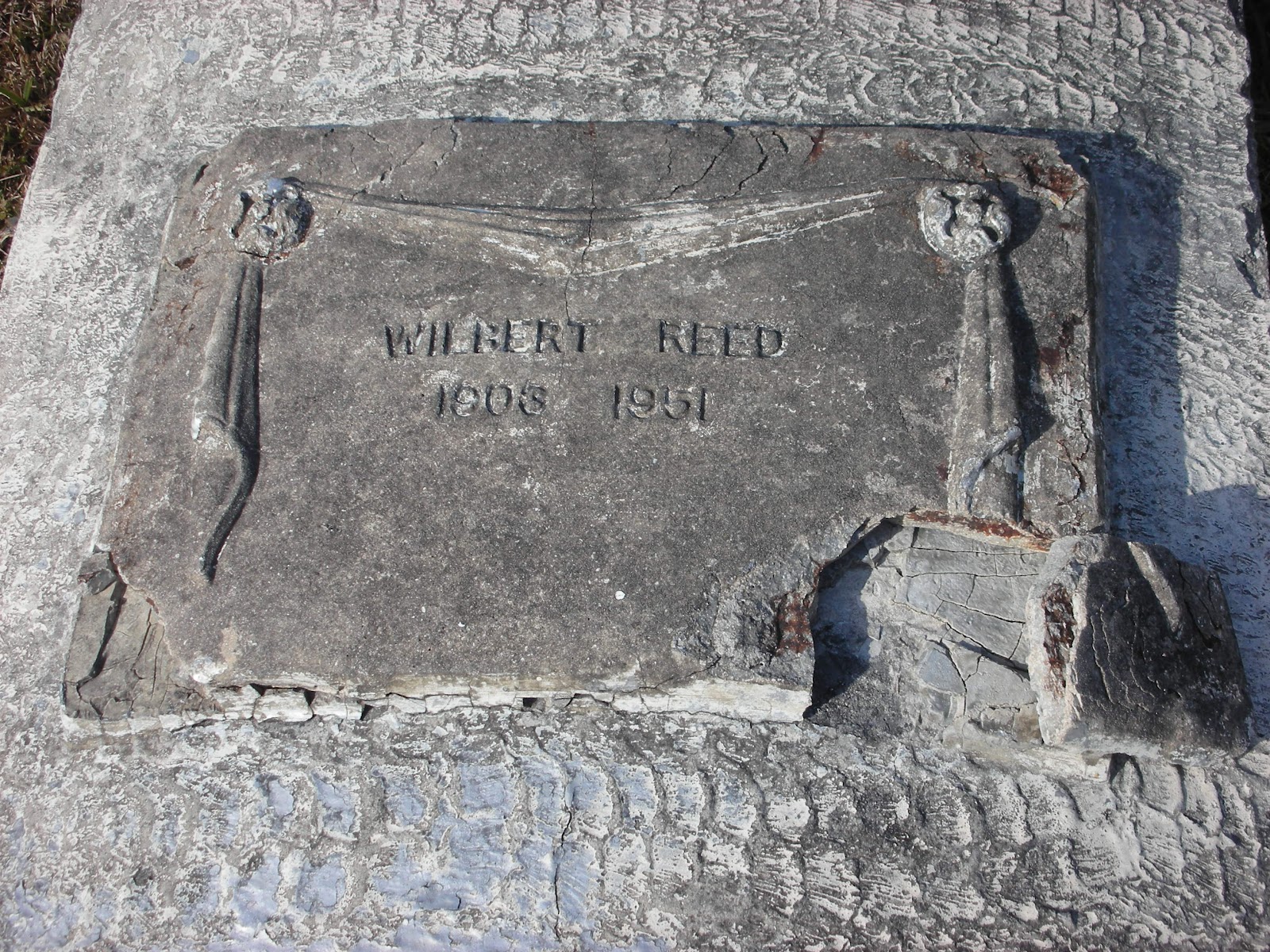
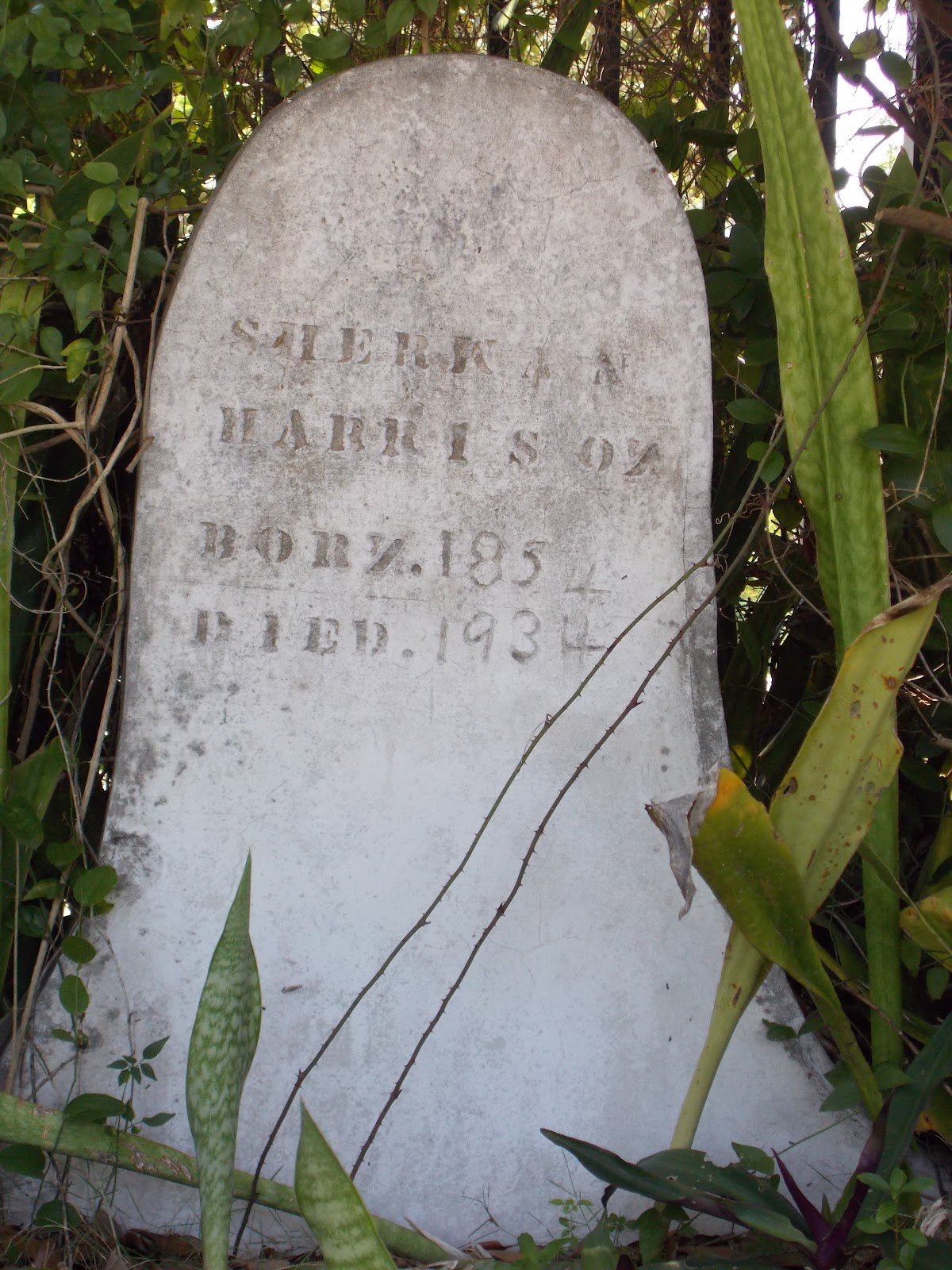
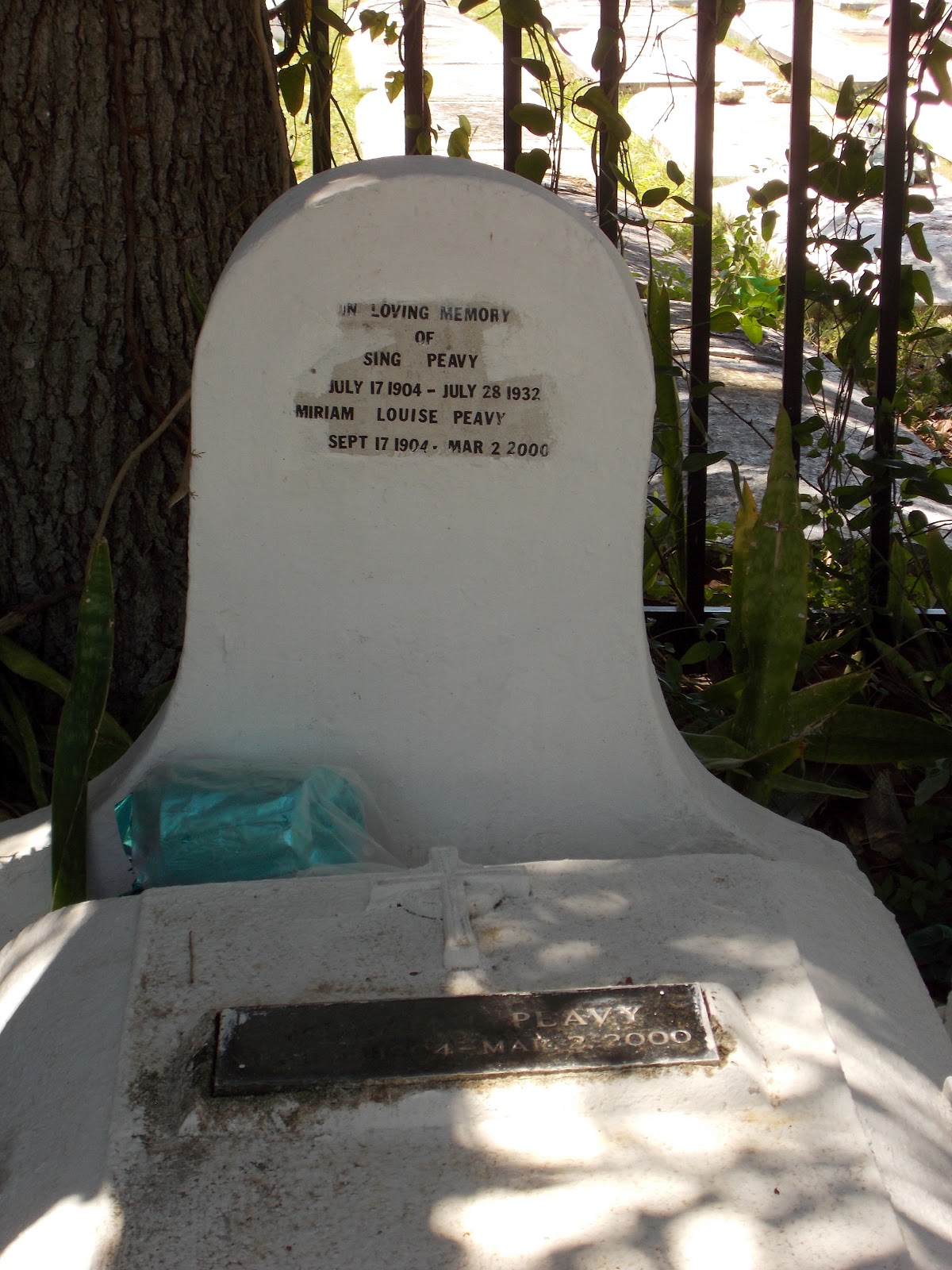
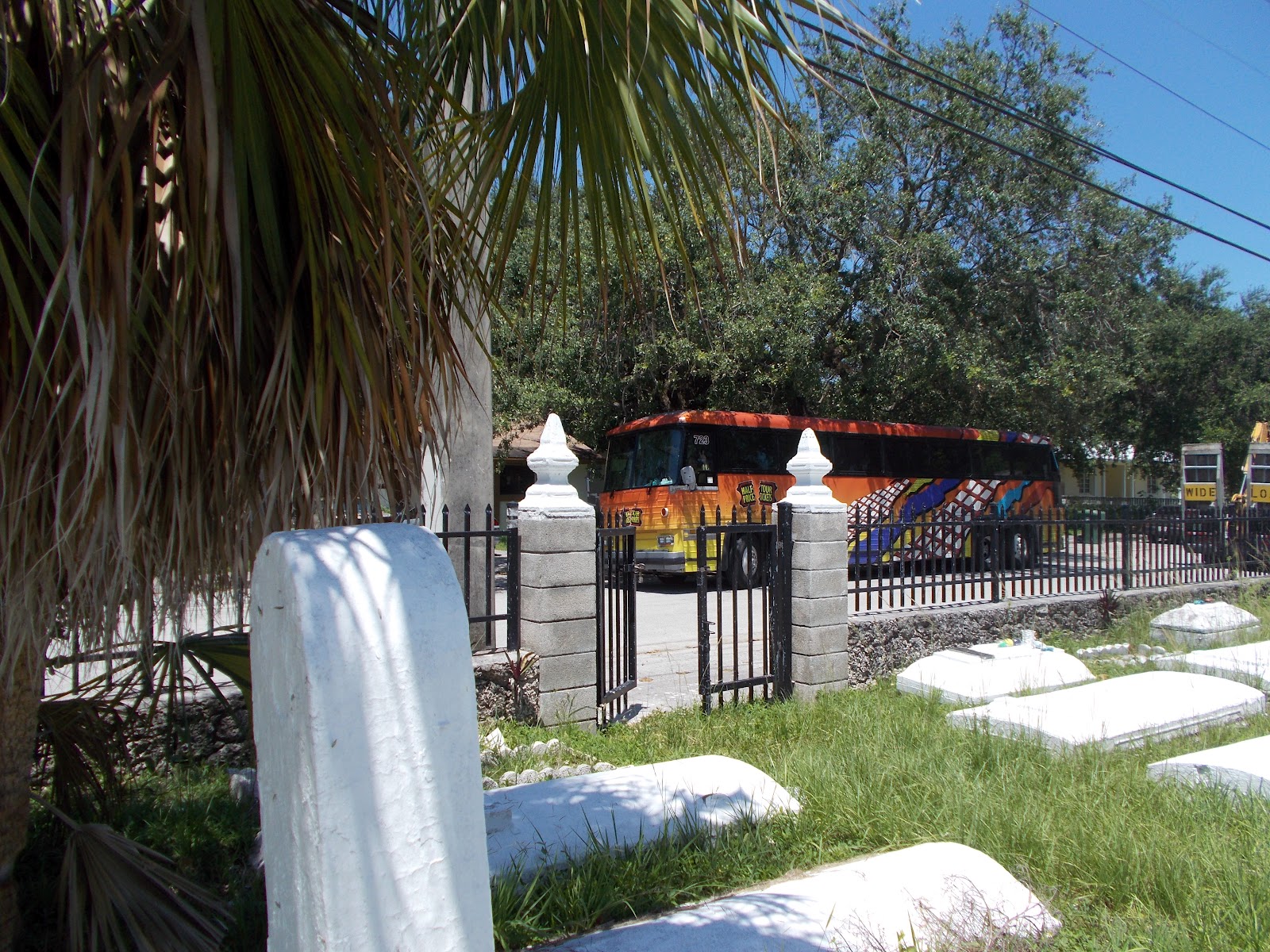
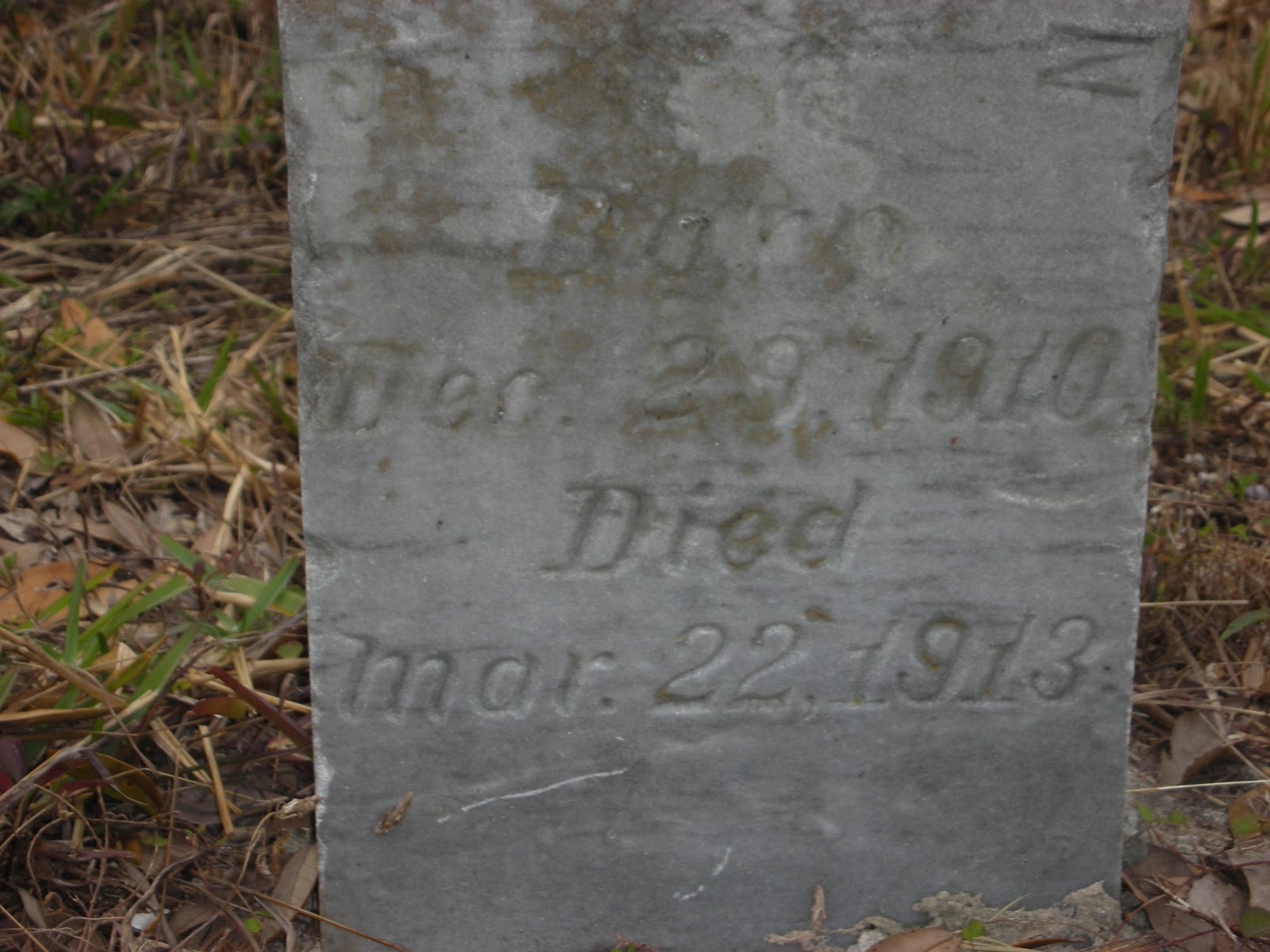
On the corner of Charles Avenue and South Douglas Rd., on the opposite end of the street from the E.W.F. Stirrup House, is the Charlotte Jane Memorial Park Cemetery. It dates back to the early 1900s and at one time — and for a long time — was the only place in Coconut Grove where Black folk could consecrate and bury their dead.

The entrance to the Charlotte Jane Memorial Park Cemetery. 180 degree panorama by author.

Charlotte Jane was E.W.F. Stirrup’s childhood sweetheart. I know
almost nothing about her, save for this: In the 1870s or 1880s Ebenezer
Woodbury Franklin Stirrup made his first pilgrimage to the United
States. He came up through Key West, where he stopped for a while and apprenticed as a carpenter with an uncle. This is the skill he would eventually utilize in Coconut Grove to great effect, building more than 100 houses in the area, including his own show piece at the other end of Charles Avenue. Stirrup reportedly spent 10 years working for his uncle in Key West before he decided he would head north to see what life was like on the mainland. However, before he did he went back to the Bahamas to marry his childhood sweetheart. Then he brought her
back with him, eventually settling in Cutler Bay for a time.

Photo by Stefan Kokemüller
From Wikipedia Commons

I try to imagine that trip, which Mr. Stirrup took at least 3 times in his life. It could not have been easy. The trip from the Bahamas to Key West was obviously an ocean journey. At one time — and for a long time — Key West was the largest city in Florida and remained unconnected to the mainland until 1912, when Henry Flagler completed his railroad. Consequently the journey from Key West to the mainland was another ocean voyage. It would have been far easier, in those times, to sail directly to Cutler Bay. There would have been few roads, if any. Southern Florida was swampland, overgrown with mangrove, pine, oak and banyan trees, not to mention alligators and snakes. Traversing the lower end of the Florida peninsula by land would have been a harrowing and nearly impossible journey.

E.W.F. and Charlotte Jane Stirrup first settled in Cutler Bay, about 13 miles from where they eventually settled. For
whatever reason Cutler Bay was not to his liking and he decided to move north to
the nascent community of Coconut Grove, where he eventually settled and
built his beautiful house and more than 100 others.

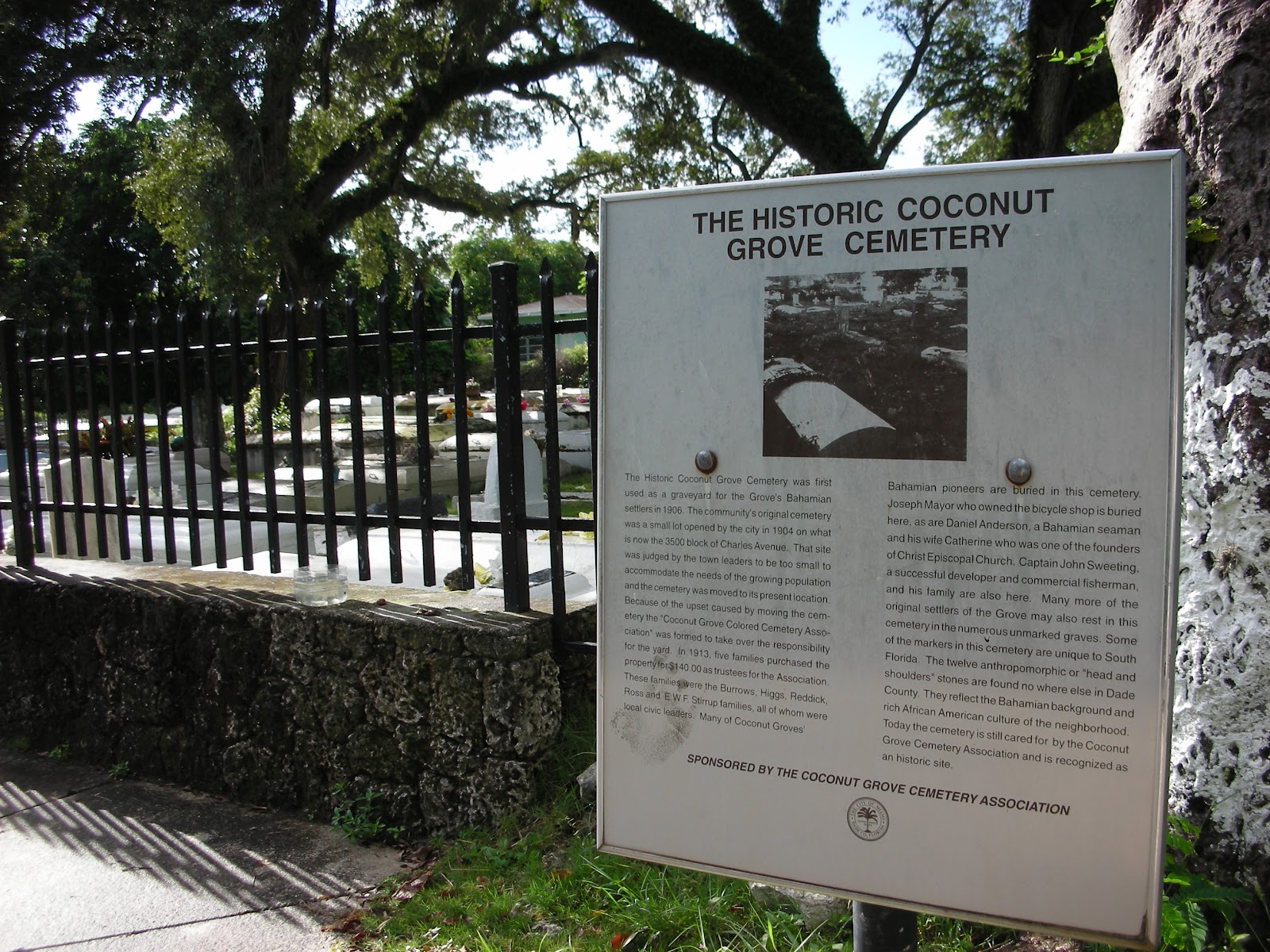
The Charlotte Jane Memorial Park Cemetery was originally known by the more generic names of Coconut Grove Cemetery or Grove’s Bahamian Cemetery. It opened in 1904, or 1906 (both dates are cited in various places) and was originally owned by the city (despite what I stated elsewhere). According to the USGenWeb Archives, Mary Washburn writes:

In 1913, the cemetery property was purchased by five families for the sum of $140.00.  The families that purchased the property are Burrow, Higgs, Reddick, Ross and the E.W.F. Stirrup families.


The first burial was Joseph Mayor he was buried as Daniel Anderson.  Daniel Anderson and his wife Catherine Anderson were the founders of the Christ Episcopal Church.


Also buried here is Capt. John Sweeting, developer and commercial fisherman who Settled the ground now know as Charlotte Jane Memorial Park Cemetery.

There has long been a rumour to the effect that Michael Jackson filmed the cemetery scenes to “Thriller” at the Charlotte Jane Memorial Park Cemetery and you’ll find many references on the innertubes citing that. This is totally incorrect. WikiAnswers states:

Contrary to rumors, the cemetery scenes of Thriller were actually filmed on a soundstage and not at an actual cemetery. This fact is clearly proven by watching the DVD release of Thriller. During the wide-shot of the cemetery set as Michael and Ola walk past, various lighting and rigs can be seen over head.

Again, the cemetery sequence was NOT filmed in a real cemetery.

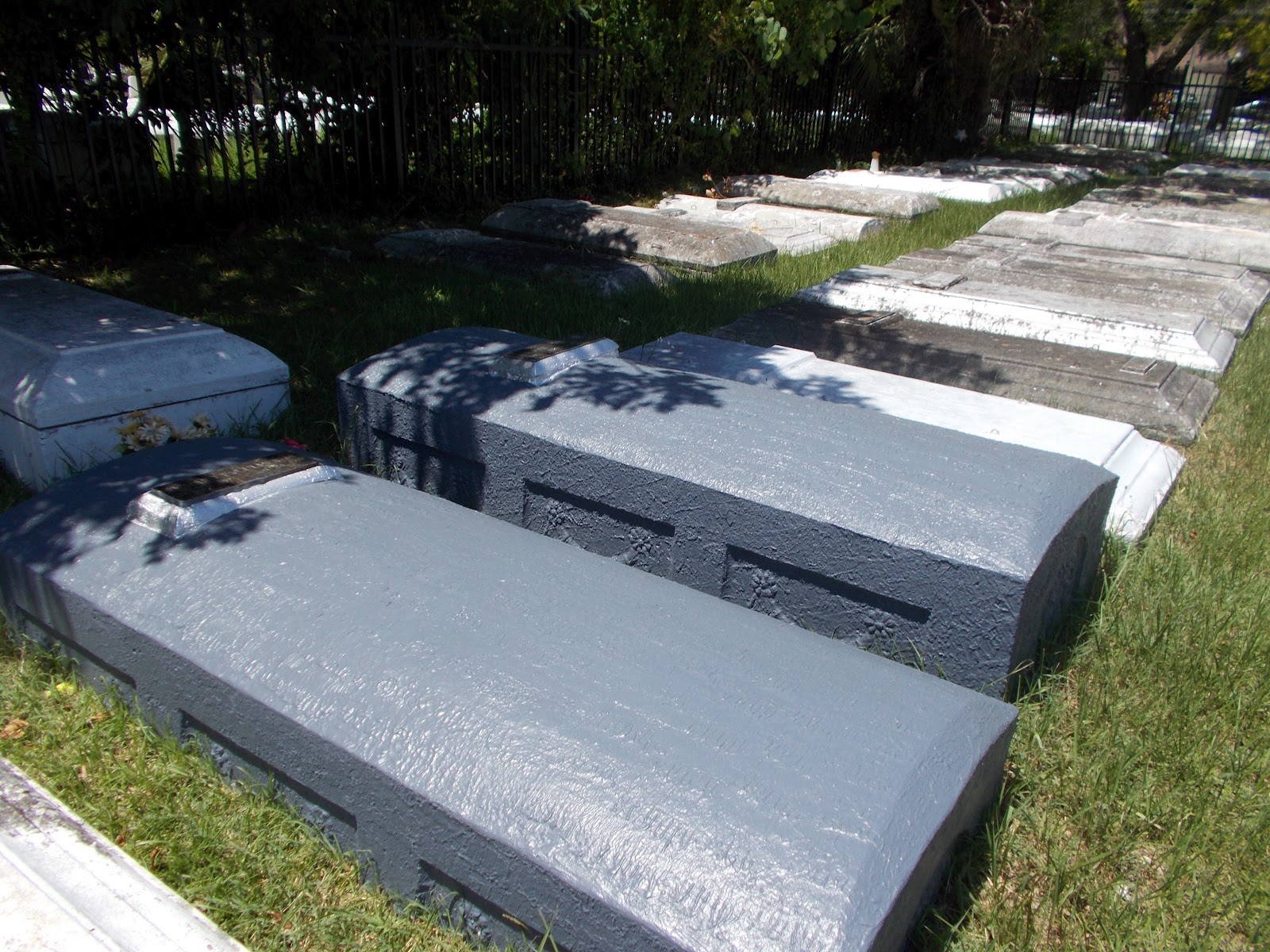
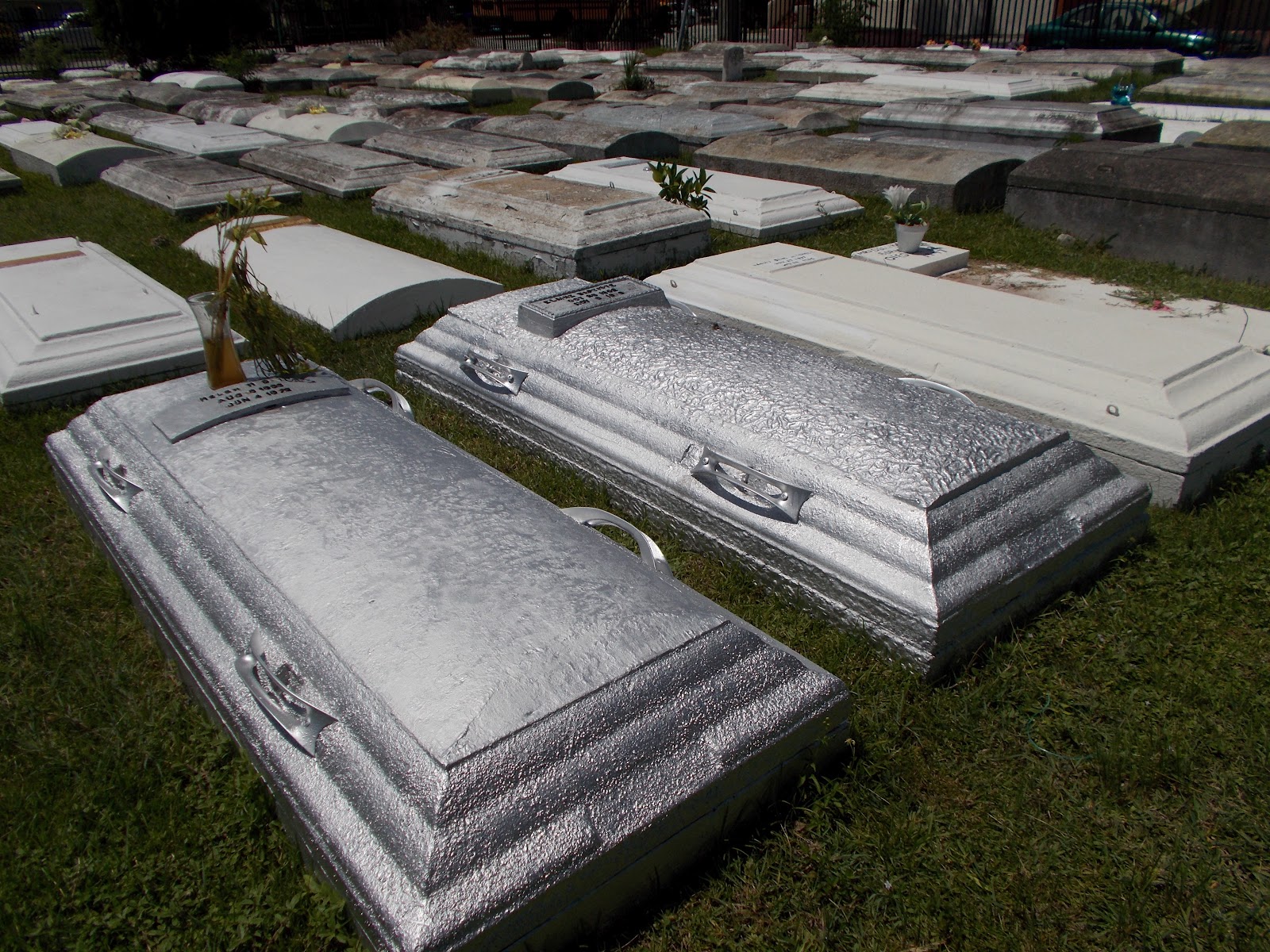
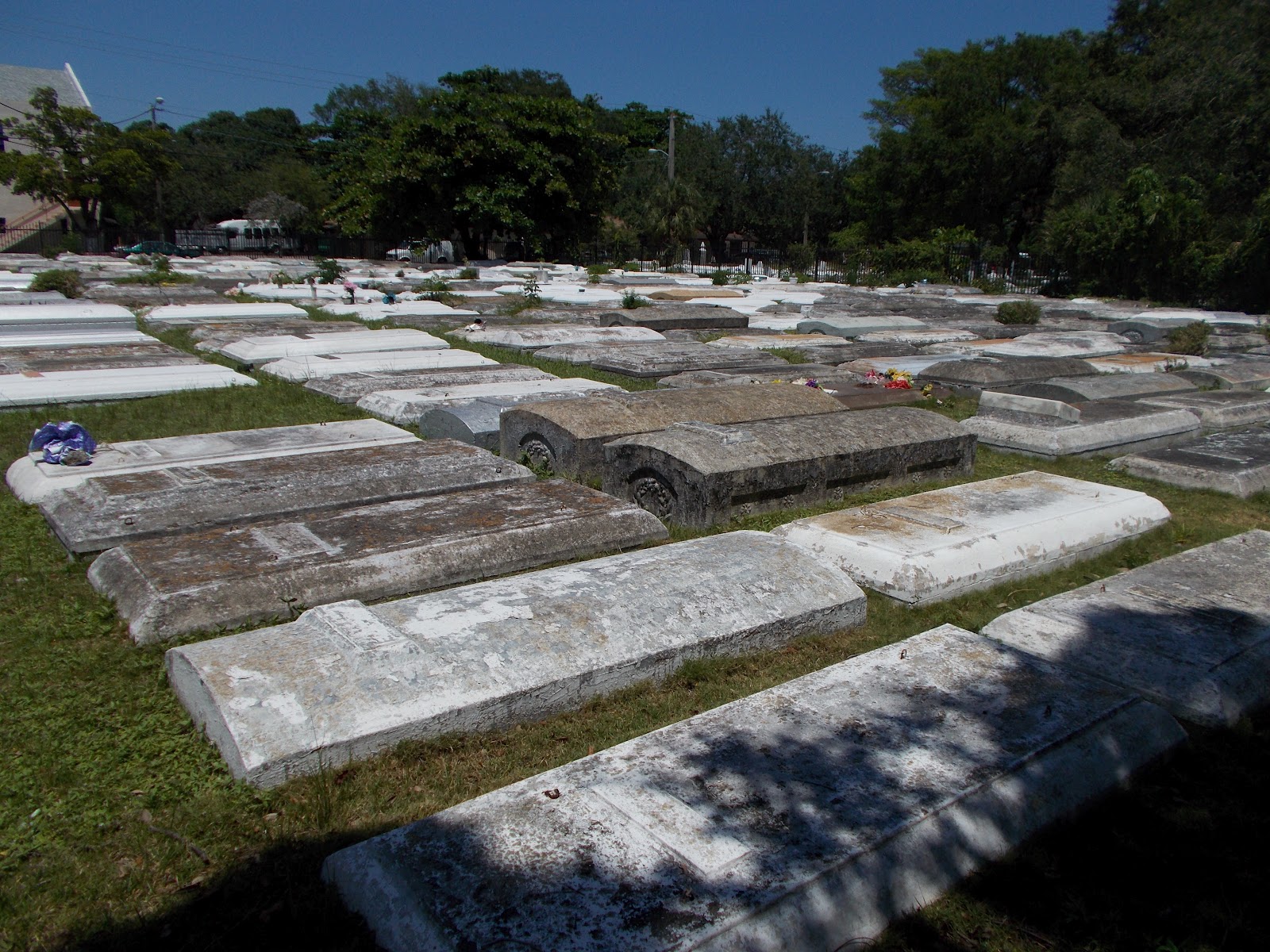
No matter because the Charlotte Jane Memorial Park Cemetery is a lovely little cemetery, with a long history of its own. In Florida, as in New Orleans, caskets cannot be buried below ground because of the water table. Unlike the New Orleans’ crypts you are used to seeing, the graves at the Charlotte Jane Memorial Park Cemetery are simple and uncomplicated, paralleling the economic realities of a Black community in 20th Century ‘Merka.

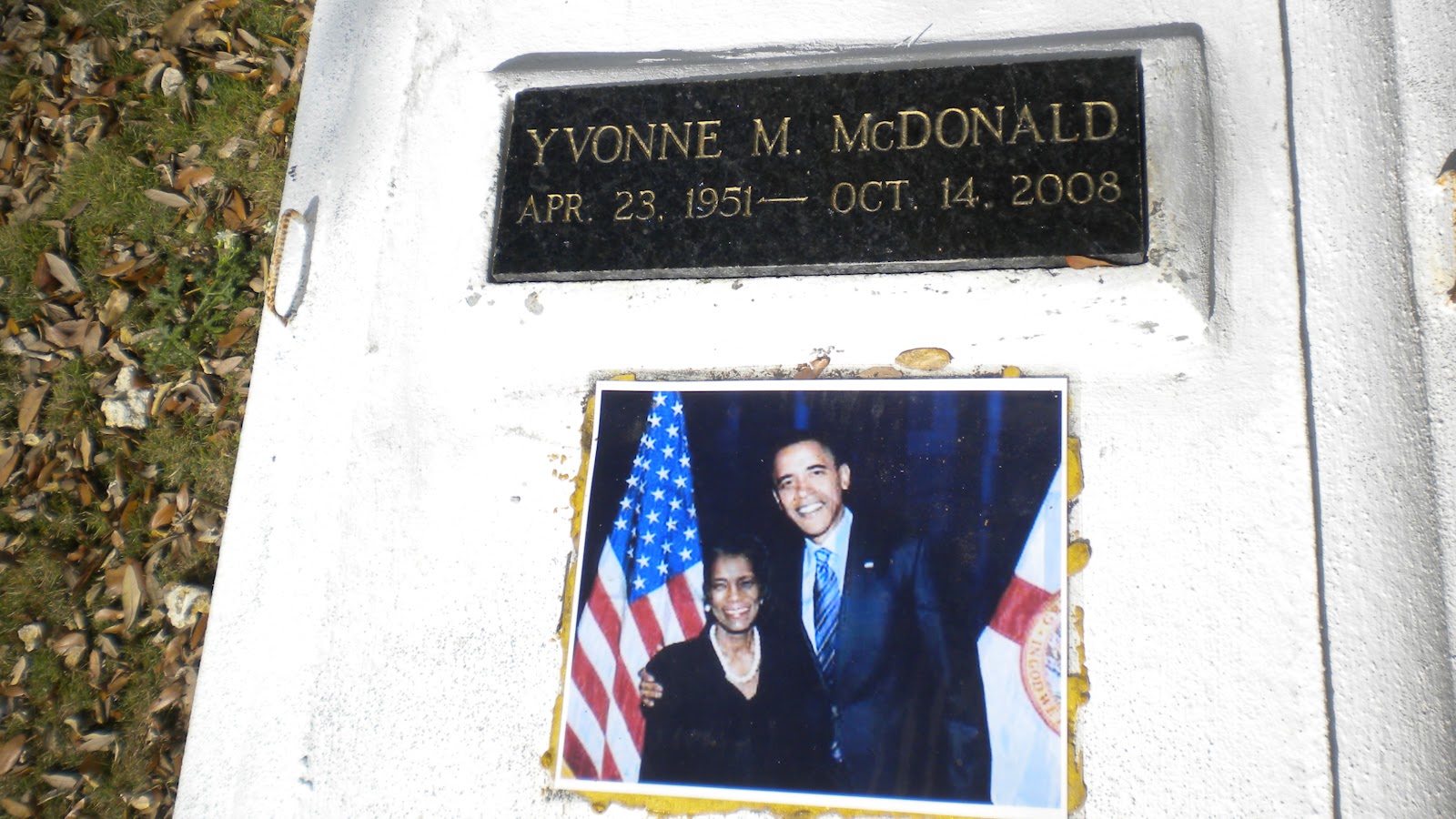
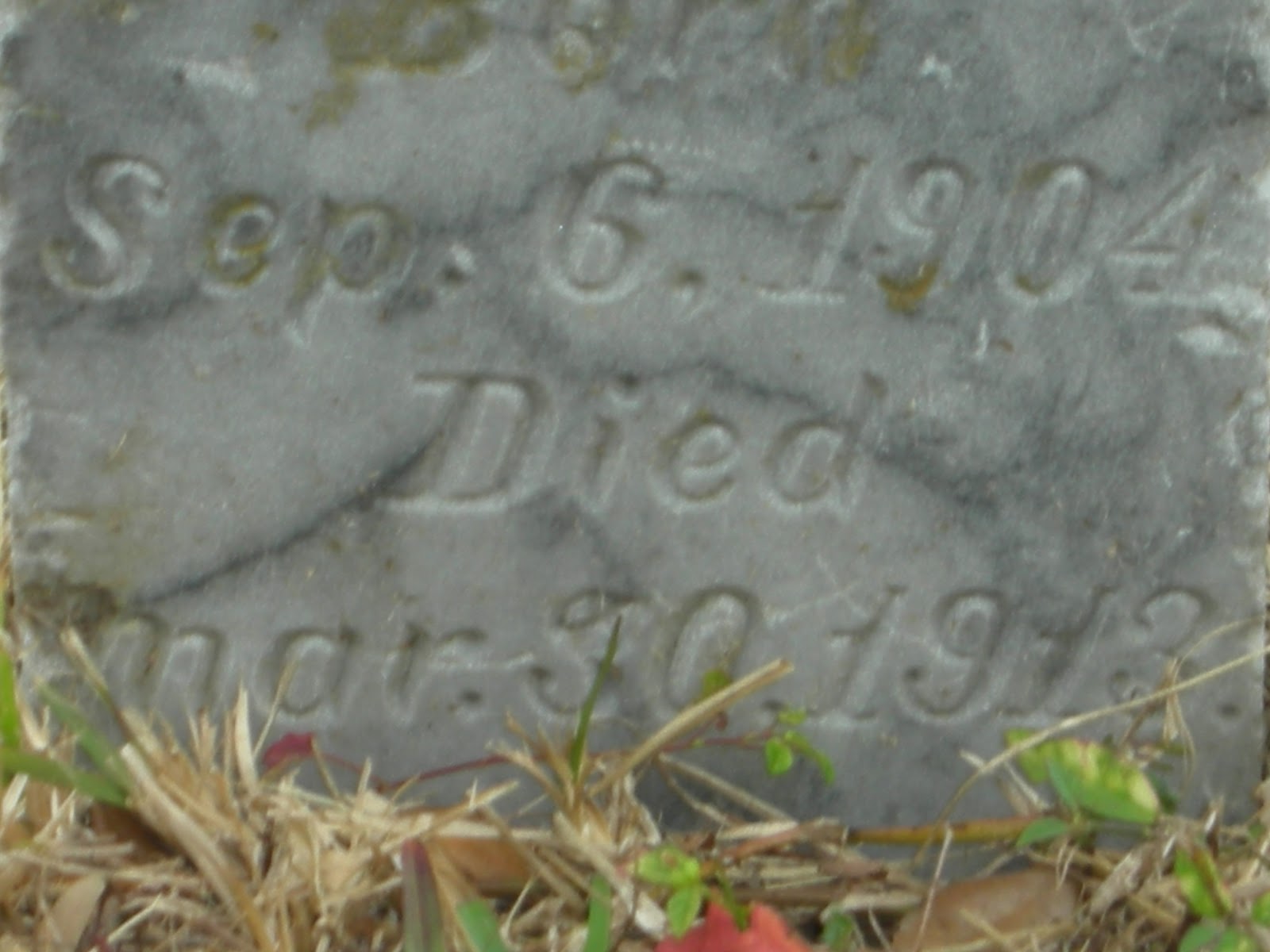
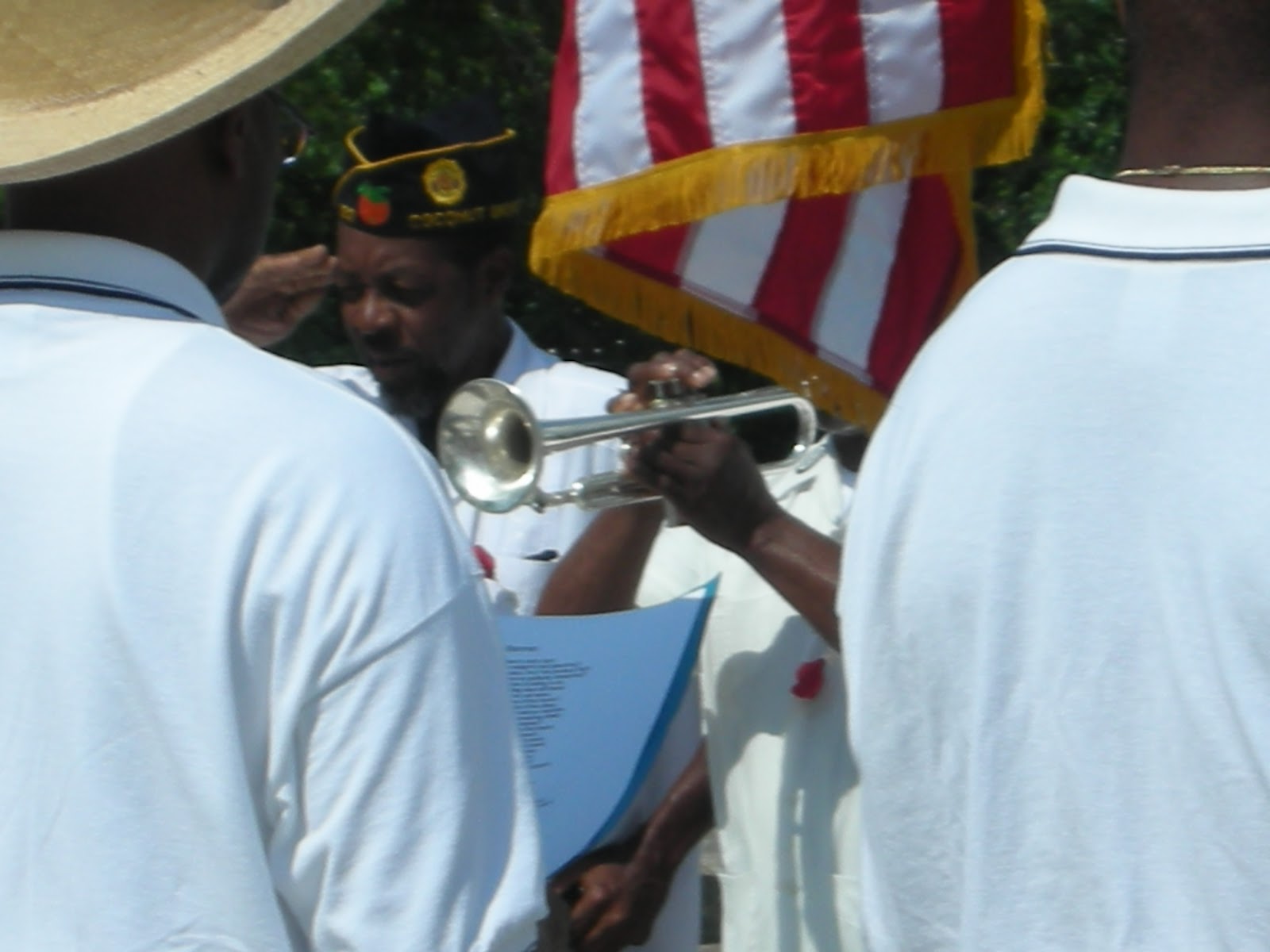
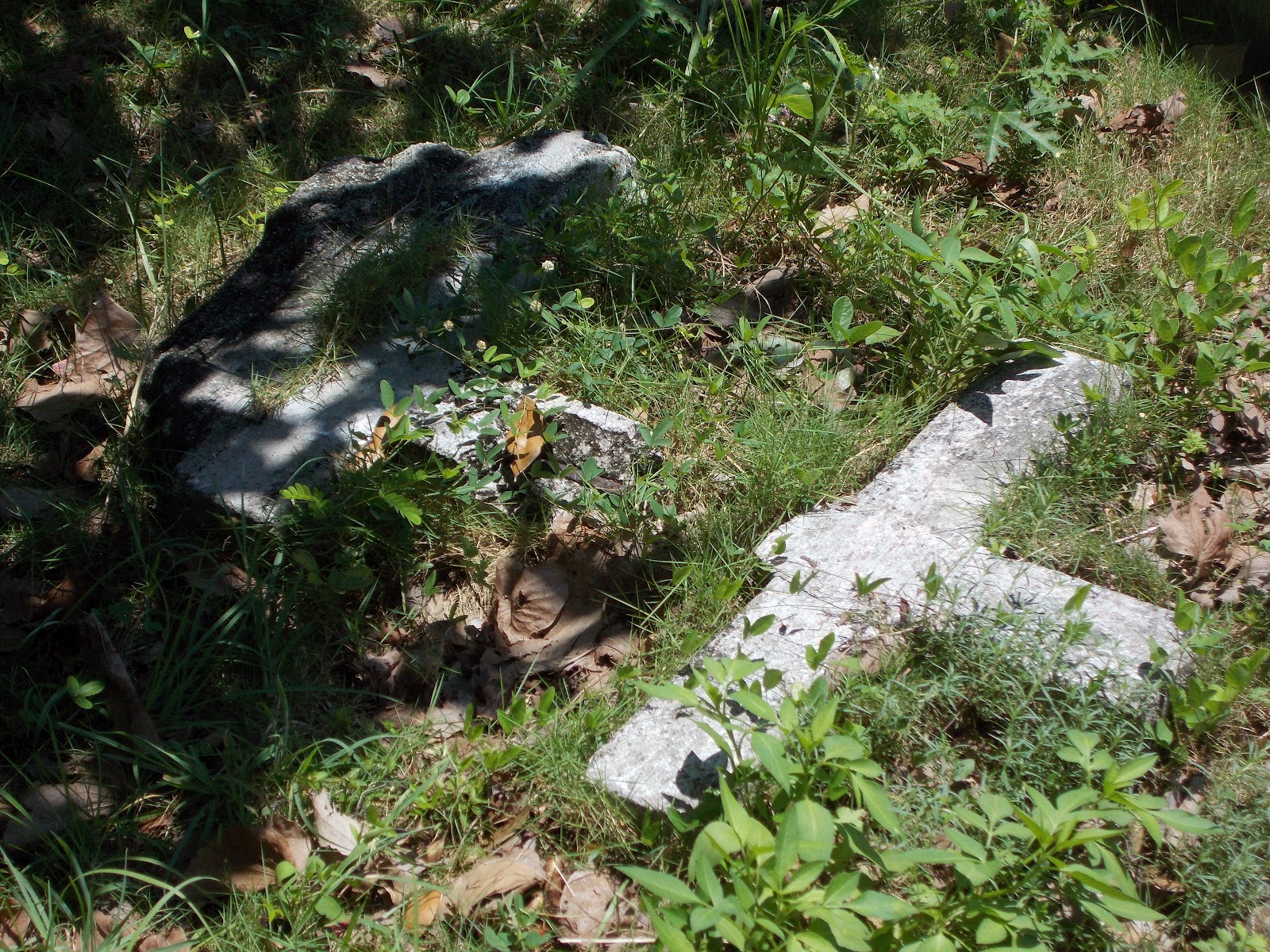
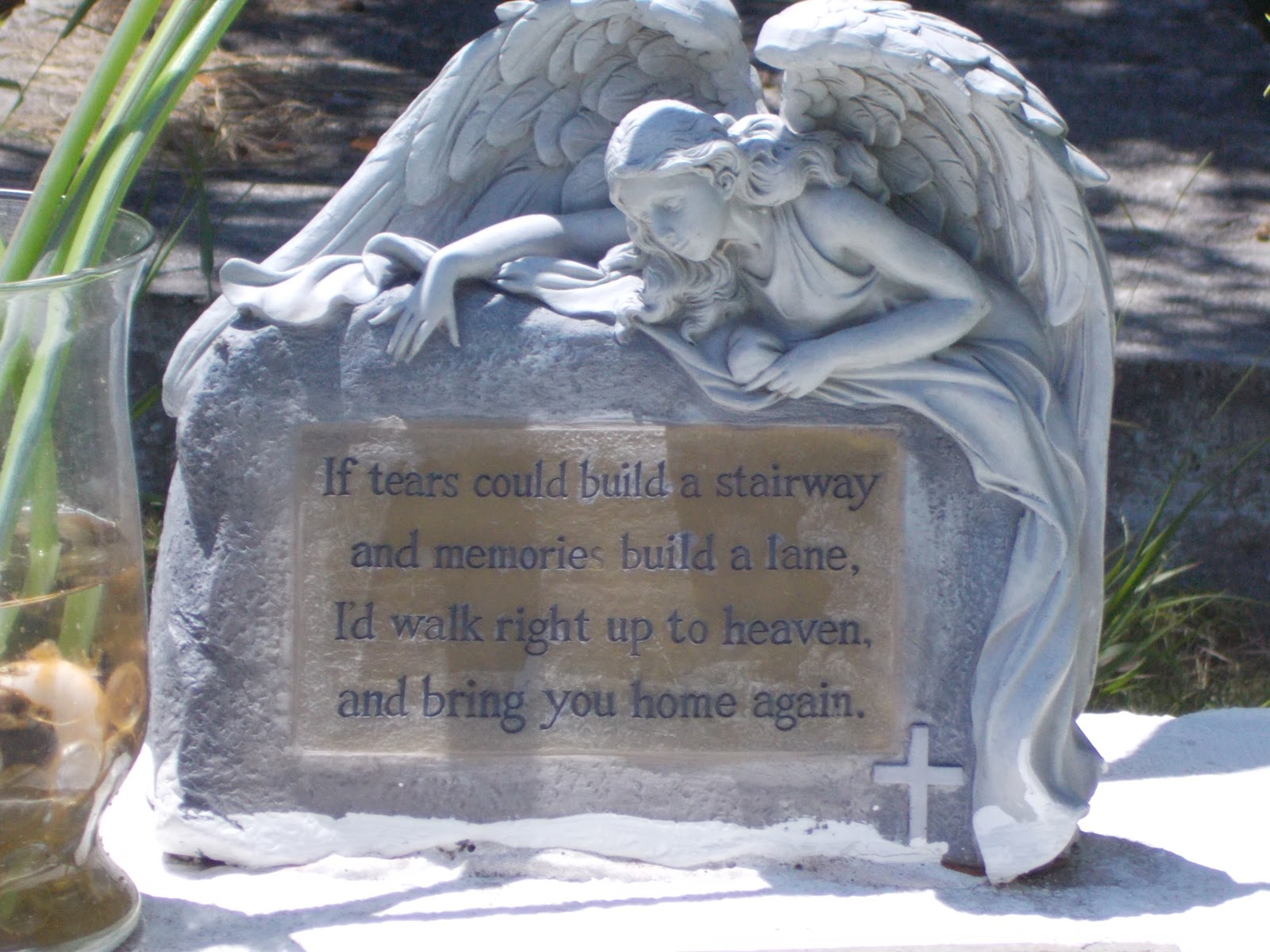
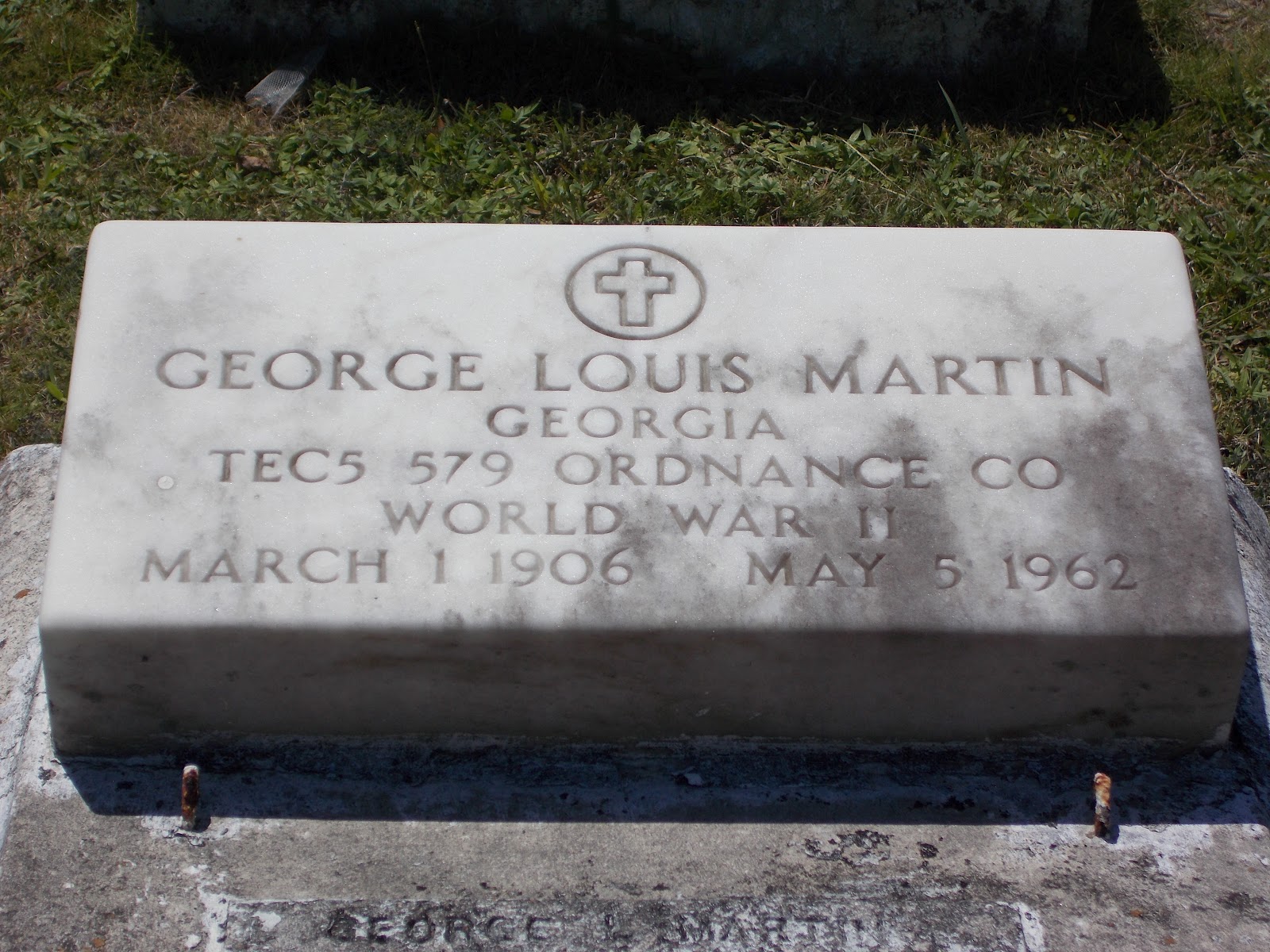
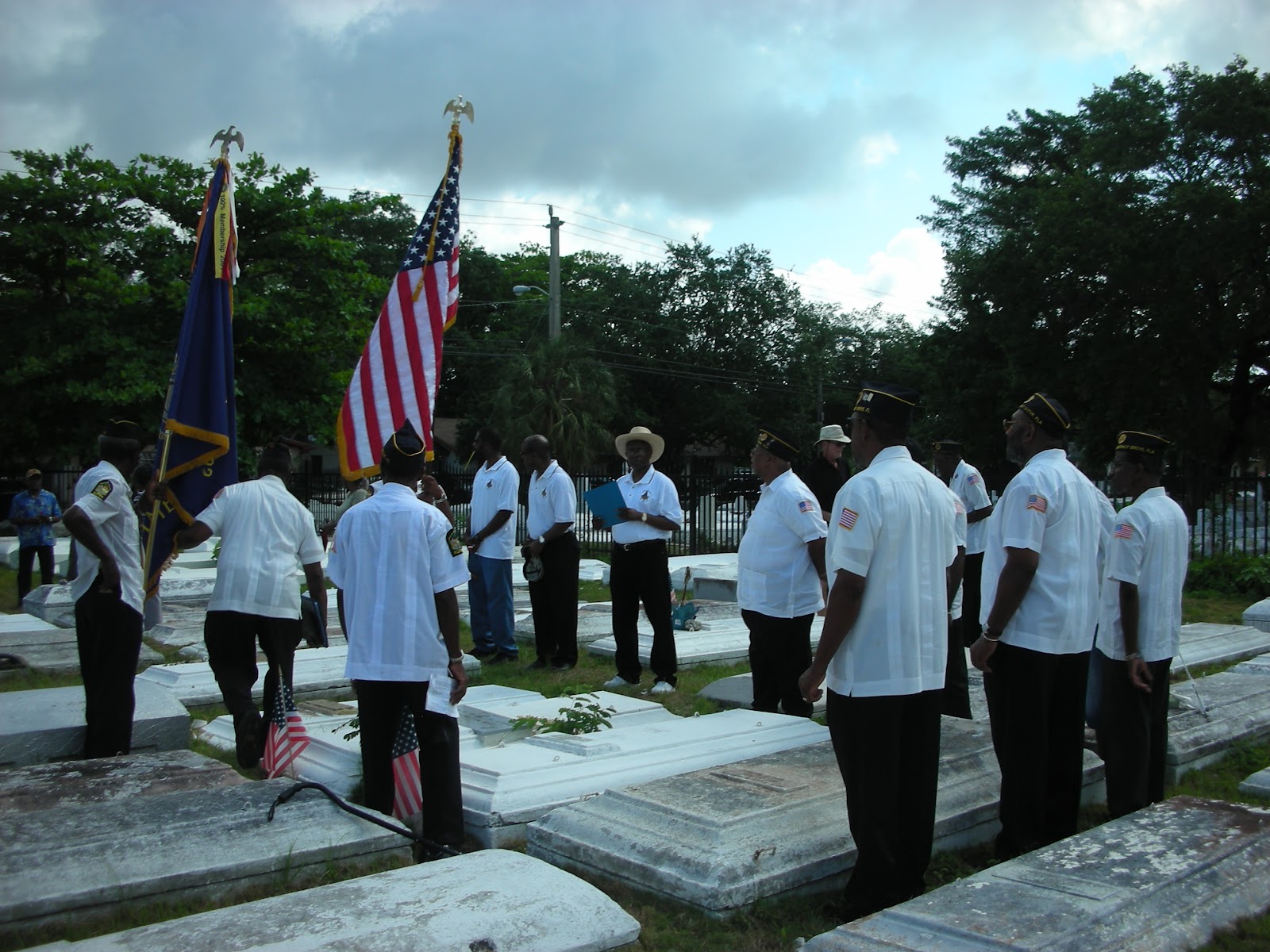
In the years since I have been visiting Charles Avenue I have taken thousands of pictures of the Charlotte Jane Memorial Park Cemetery, some of which I’d like to share with you.

Memorial Day, 2010

Memorial Day, 2010

Memorial Day, 2010

Memorial Day, 2010

Memorial Day, 2010

Memorial Day, 2010

Memorial Day, 2010

All photographs © copyright 2012 by author.

***

***

Unpacking Coconut Grove ► Part Two ► E.W.F. Stirrup House

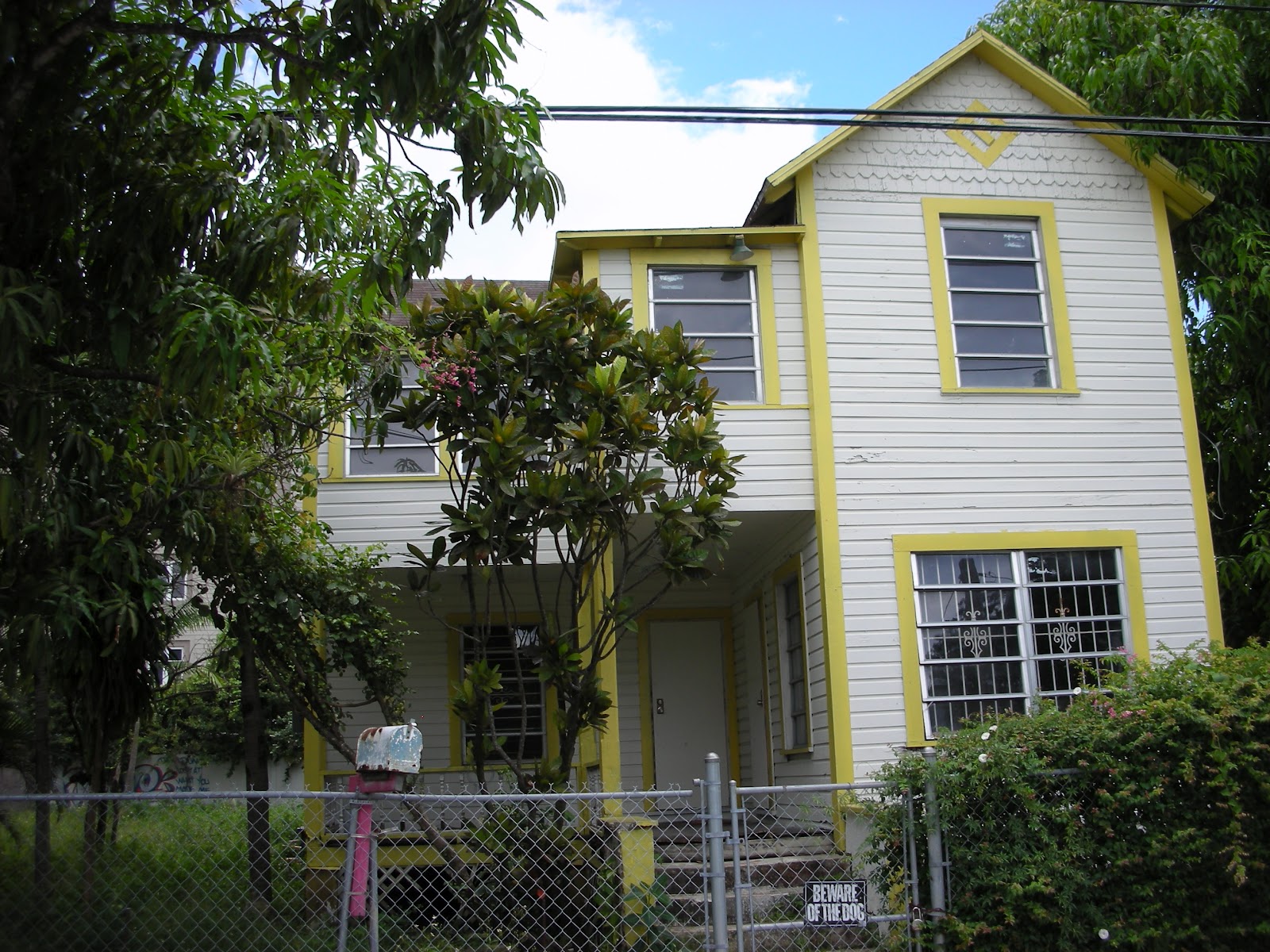
Standing proud. The beautiful E.W.F. Stirrup House.

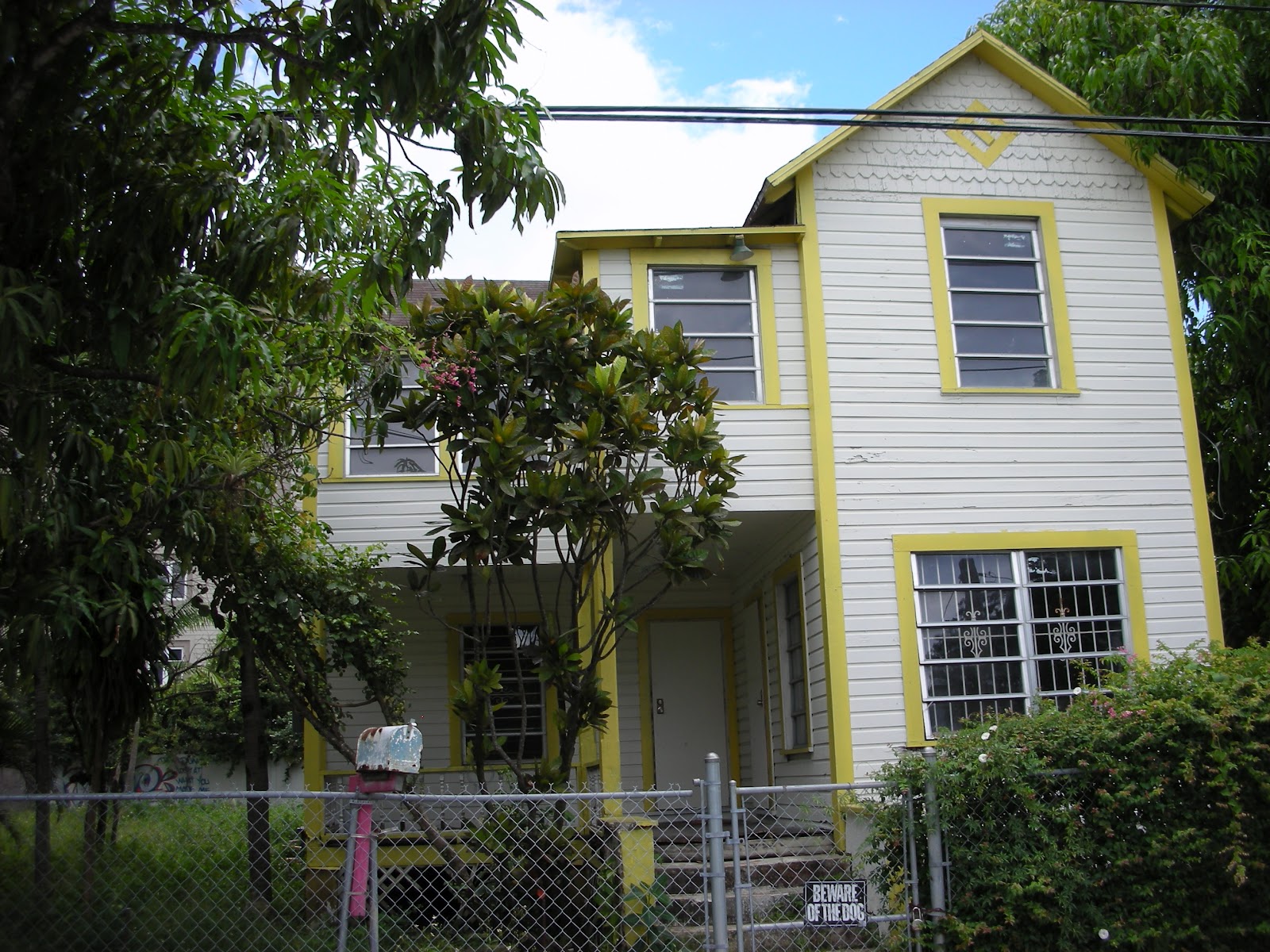
The E.W.F. Stirrup House (left) at 3242 Charles Avenue, Miami, FL, 33133, is reportedly one of the last wood frame homes in Miami-Dade County. It is almost certainly one of the oldest houses, built in the late 19th century, as Caribbean Blacks started arriving in lower Florida to work at the Peacock Inn. The house sticks out on Charles Avenue, but also in Florida. Homes don’t look like this anywhere else. According to a report looking in to designating the E.W.F. Stirrup House a Miami historical site:

The key elements that reflect its nineteenth century origins are its extremely narrow proportions, the size and shape of the fenestration, and its L-shaped plan. This design is based on a builder’s tradition, and was especially popular throughout America in the last half of the nineteenth century.
There is more than one way to describe this property type. In their book A Field Guide to American Houses, Virginia and Lee McAlester describe it as a “front gable folk house.” In a more detailed article, Barbara Wyatt of the State Historical Society of Wisconsin described it as a “Gabled Ell.” Wyatt explains that this type was especially common in late–nineteenth century America, and was almost exclusively a residential type. The Gabled Ell takes the form of two gabled wings that are perpendicular to one another, and that are frequently of different heights.

The longitudinal face parallel to the street almost always had the lower height. The result was typically an L-shaped plan. Ms. Wyatt explains that the form allowed for outdoor living space (the porch) and a sheltered entrance. Entry is always via the porch at the “ell,” or junction of the two wings.

My latest panorama of the E.W.F. Stirrup House and the historical marker that started my journey.

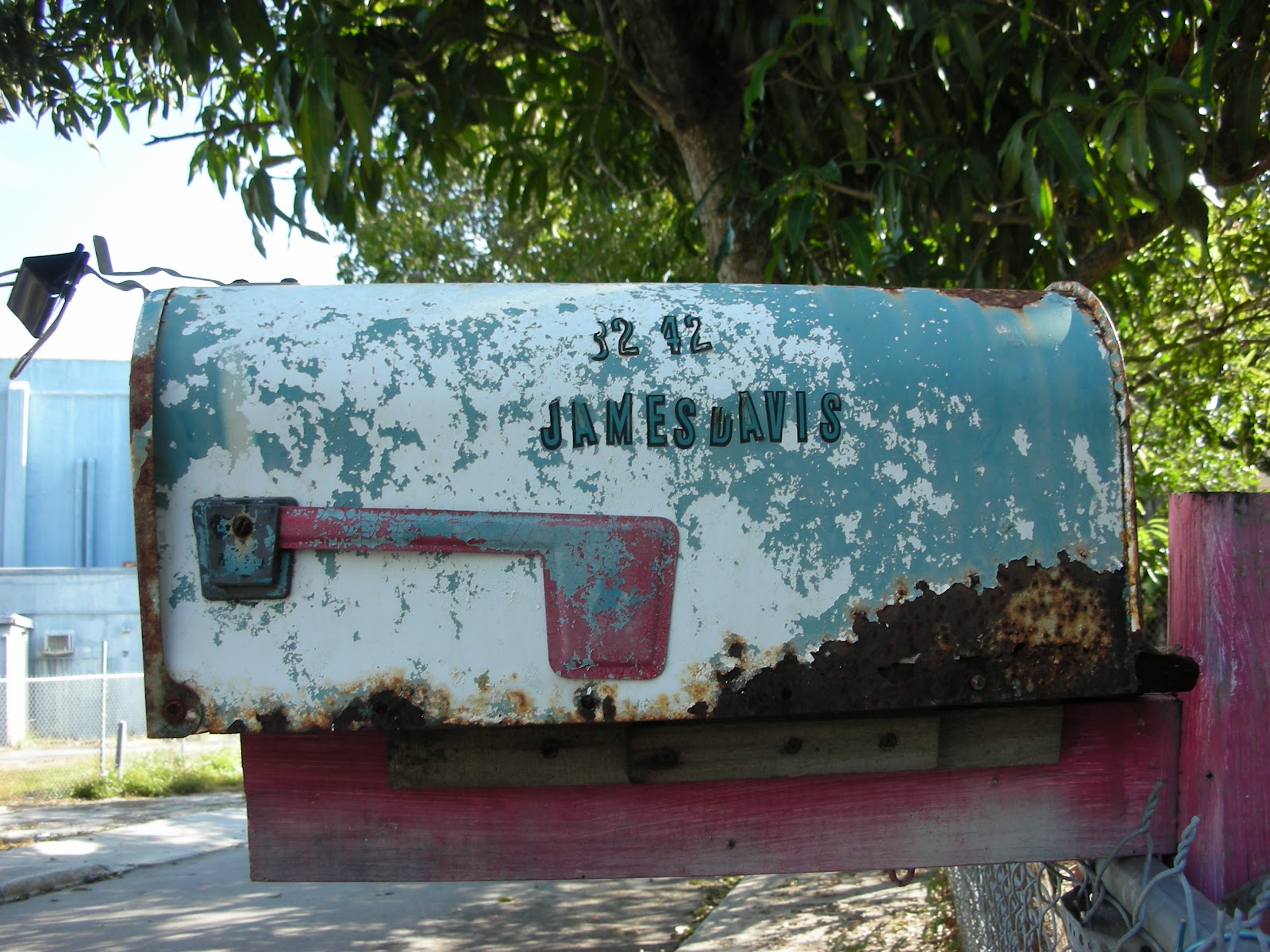
The Stirrup House mailbox in 2010

While the E.W.F. Stirrup House certainly deserves to be preserved for its age and architecture, it also needs to be preserved as a standing monument to Ebenezer Woodbury Franklin Stirrup, one of the people who built Coconut Grove with his bare hands.

E.W.F. Stirrup arrived in Coconut Grove in 1899 at the age of 25. Like a lot of Bahamians, he first migrated to Key West. There he apprenticed with an uncle as a carpenter, a trade he would utilize later. After 10 years, and unhappy with the financial arrangement with his uncle, Stirrup first moved to Cutler, Florida, working in pineapple fields and clearing lots for houses. Occasionally, instead of cash, Stirrup was paid in land, which began his real estate holdings that at one time included most of downtown Coconut Grove. That’s what made him one of Florida’s first Black millionaires. However, that’s not what made him extraordinary, especially for his times.

As his landholdings increased Stirrup began building houses which he rented and sold to other Bahamians who had emigrated up through Key West to take the jobs offered by Coconut Grove’s growing tourist industry. According to Kate Stirrup Dean, Stirrup’s oldest daughter:

Father believed in every family having a house, a yard and a garden, so you would feel like you had a home. He felt that people became better citizens when they owned their own homes.

The Mariah Brown House with its marker and No Trespassing sign.

Stirrup apparently built more than 100 houses, often at night after a full day’s work. Because of this Coconut Grove had a greater percent of Black home
ownership than any other ‘Merkin city I have studied. Most other cities
had a higher percentage of rental properties and absentee landlords as a result
of the neighbourhoods once belonging to other ethnic types who moved up
and out, a natural progression. Coconut Grove was an area settled almost entirely by Blacks when there was nothing but swamp and wilderness surrounding it. They didn’t inherit the neighbourhood, they built it and owned it themselves.

Stirrup was obviously a proud man because his house, which once dominated a large lot at the east end of Charles Avenue overlooking his estate, is a showpiece. It looks nothing like the simple Bahamian style homes he built for his neighbours. One of the last surviving examples of the Bahamian style is The Mariah Brown House, which pre-dates Stirrup’s arrival by nine years. It is thought to be the first house owned by a Black person in the area. A report was also prepared to designate the Brown House a Miami historical property. The report declares the Brown House:

[O]ne of the most important remaining sites from this early black Bahamian settlement in Coconut Grove. The house is also a good example of the type of architecture of the nineteenth century frame vernacular architecture that was inspired by the houses of the Bahamas and Key West.
The importance of the contributions made by African Bahamians to the develoment [sic] of Coconut Grove and the City of Miami has long been overlooked. Although recent studies show that by 1920 West Indian blacks made up over 16 percent of Miami’s population, information about their community and lifestyle has been basically undocumented.

Undocumented? Overlooked? Yes!!! Researching the Bahamian phase of Coconut Grove has been a monumental task. I have it through 2nd and 3rd hand information that in the ’20s, or ’30s, or ’40s, and well into the ’60s according to some, Coconut Grove was an artists’ community. It attracted a certain type of Bohemian Beatnik hipster, the archetype of which had little problem mixing with Blacks, listening to Jazz, and smoking reefer. That’s where my novel is going.

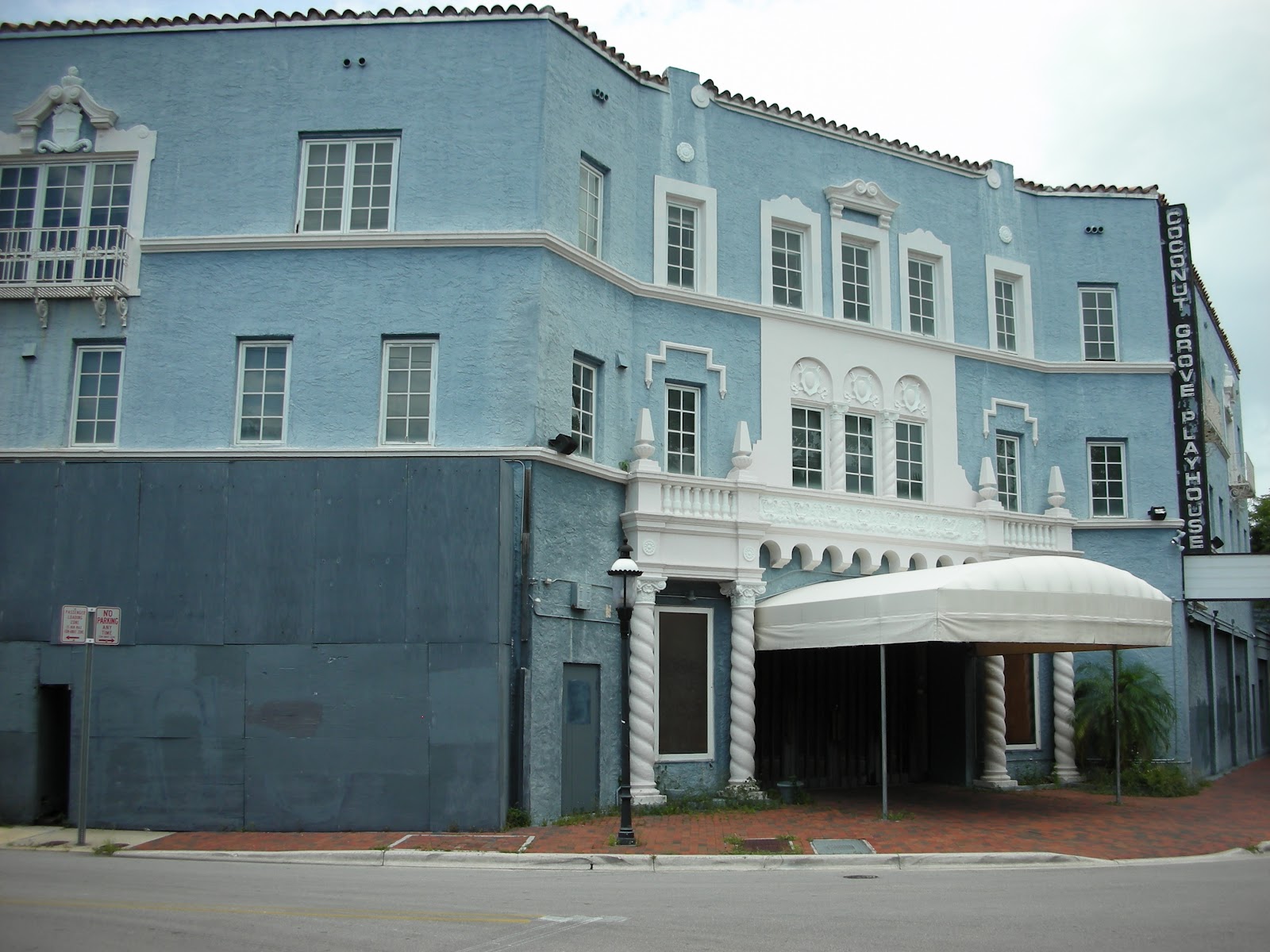
However that’s not where my research keeps taking me. My research keeps taking me to the E.W.F. Stirrup House, the Mariah Brown House, and the Coconut Grove Playhouse [another boondoggle I have yet to write about, but which I believe is just one more piece in the giant corruption jigsaw puzzle I find myself investigating] . Yet, the more I find out, the less I know. A little over a year ago the local NBC affiliate and CBS affiliate both filed reports which filled in some more of the blanks of the Stirrup House:


What has happened since then? Aside from someone straightening the historical marker? Nothing. I have now been documenting Charles Avenue in photos and essays for three years. In that time there has been no change to the Mariah Brown House or the E.W.F Stirrup House. Aside from more weather damage they stand in the EXACT same state of disrepair as they were the day I discovered them. My research confirms that each of them were vacant for years before I stumbled across them.

The Coconut Grove Playhouse in 2009.

In April of this year a “Give It Back!!! Give It Back!!!” campaign fired up to save the Coconut Grove Playhouse. However, it appears to have sputtered out almost as quickly as it flared up. More importantly, it was only concentrated on the Playhouse. What’s clearly needed is a comprehensive plan for a specially designated historical district from the Charlotte Jane Memorial Cemetery (named after Stirrup’s wife and childhood sweetheart and once the only place Blacks could be buried in the area because it was owned by Mr. Stirrup) to the Coconut Grove Playhouse, which could be the jewel in the rich tapestry of historical preservation of a Black neighbourhood unique in this country.

If such a designation can be done for a DAMNED DESIGN DISTRICT, then Miami can certainly see to it that this stretch of Charles Avenue be saved, and preserved. What physically remains of Coconut Grove’s rich history has been neglected and allowed to rot. I believe this has always been the original intent, ever since these three properties went vacant. Ask yourselves this question? In the middle of one of the most exclusive Zip Codes in the country, why has Miami allowed this to happen? Have you ever heard of Demolition by Neglect?

I believe the fix was in a long time ago. Therefore the question has always been, in my mind, who would benefit from from these properties being razed to the ground?

Coming soon: Unpacking Coconut Grove ► Part Three ► Who has a financial stake in the east end of Charles Avenue?

Previous entries:
Unpacking Coconut Grove ► Part One
Unpacking Coconut Grove ► Part 1.1

Unpacking Coconut Grove, Florida ► Part 1.1

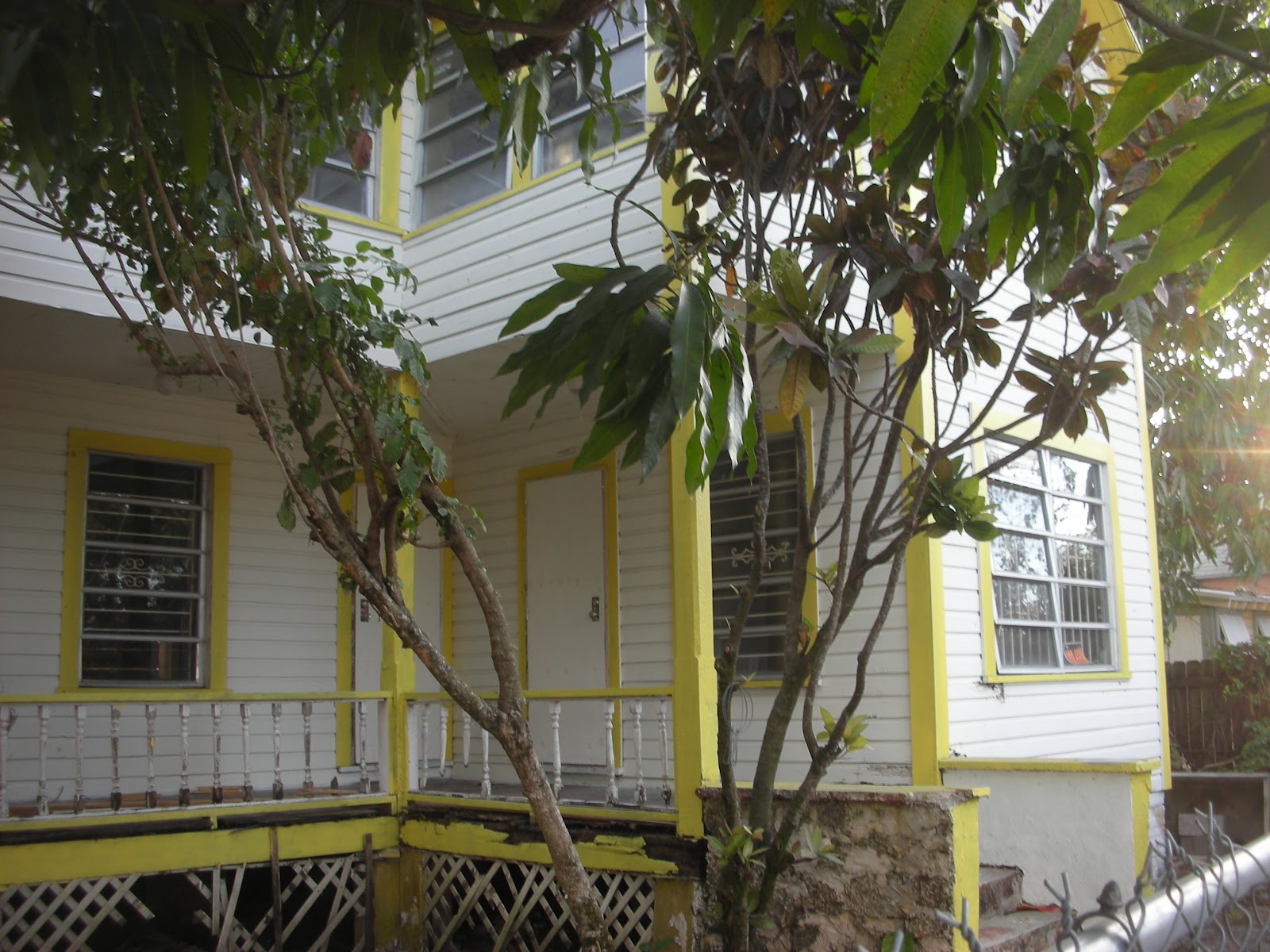
Years of neglect. The front porch of the long-empty E.W.F. Stirrup House.

In researching Part Two of this series, I came across something that demonstrates in stark relief the disparity between the east side of Main Highway and the older Black neighbourhood on the other side, where the Charles Avenue historical marker is located. Just a mile from the E.W.F. Stirrup House is a property that recently hit the market at $22,000,000. An item describes it as:

Baymere, the five-acre former DuPont estate in Coconut Grove, has hit the market asking $22 million. The 33-room residence was built in 1964 and includes a man-made private cove, helicopter pad and putting green. The two-story, 26,981-square-foot house was designed by architect Scott Arnold and includes a full basement and third floor observation deck. Saddy Delgado and Toni Schrager of Avatar Real Estate Services have the listing, which is located at 3500 St. Gaudens Road. — Christopher Cameron

When houses in Coconut Grove are selling for $22 million dollars, why isn’t there enough money to preserve the Coconut Grove Playhouse, the E.W.F. Stirrup House, and the rich history of Coconut Grove?

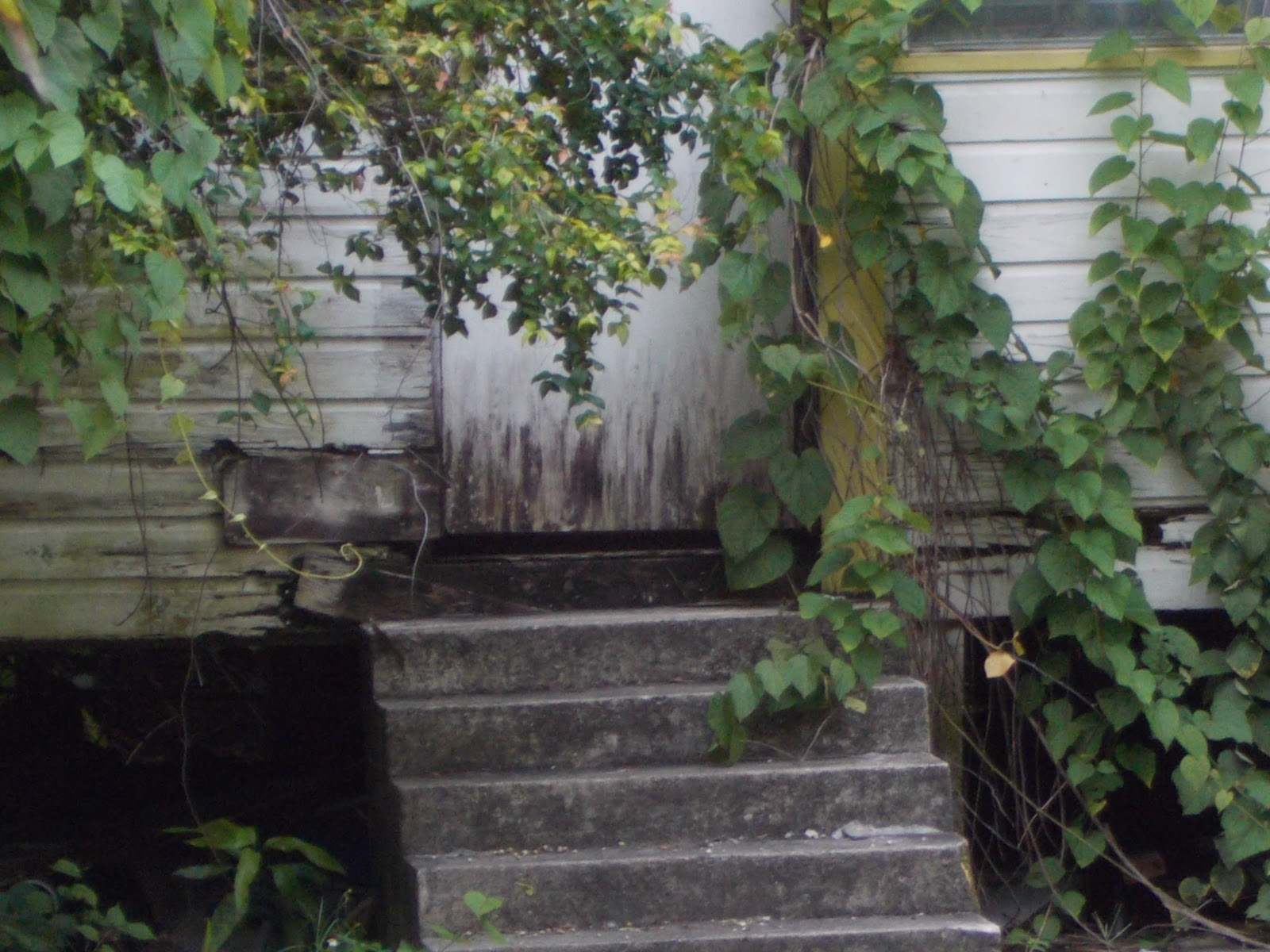
More neglect. This is the rear door of the E.W.F. Stirrup House, which appears untouched since vacant.

Unpacking Coconut Grove, Florida ► Part One

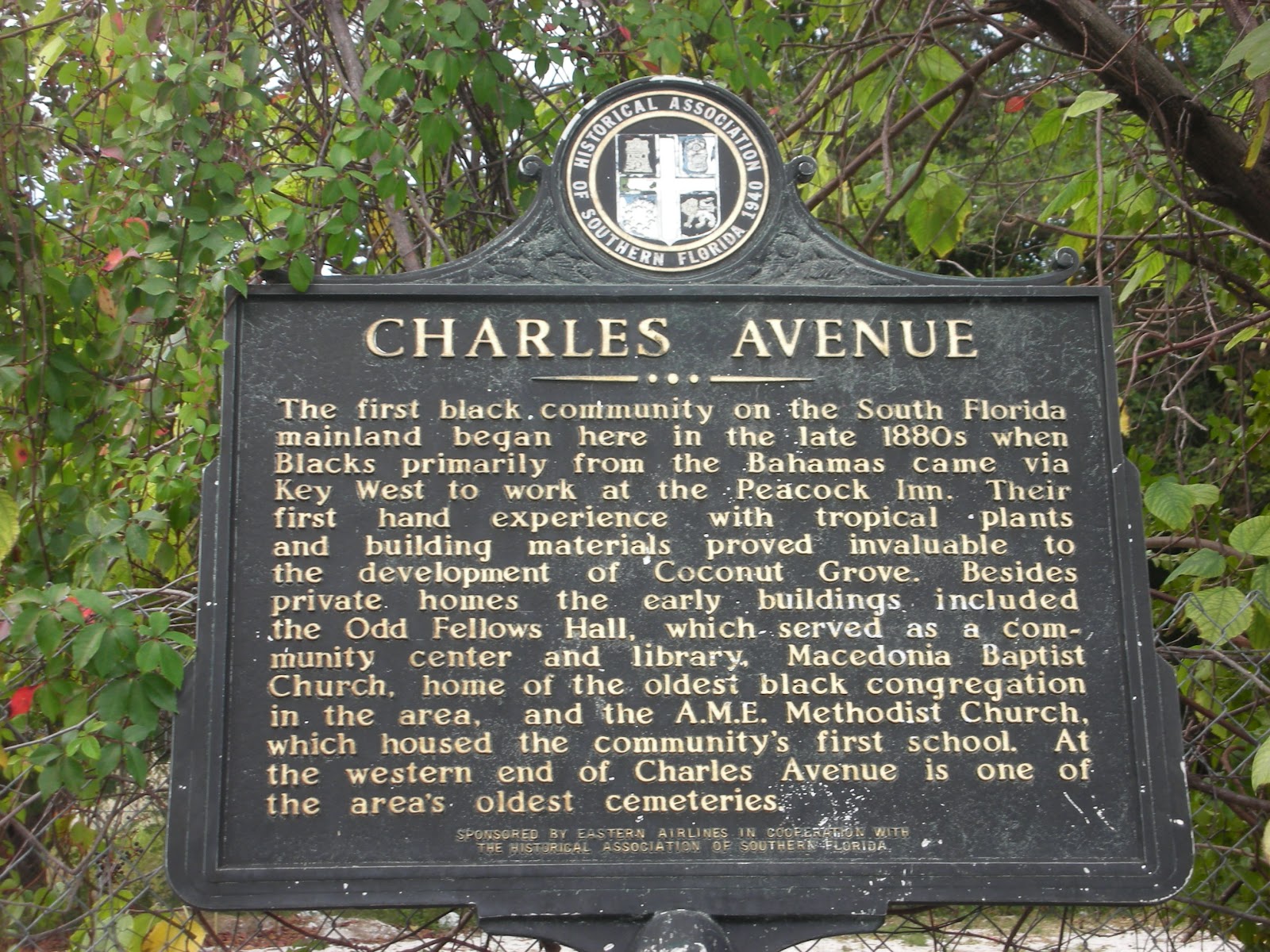
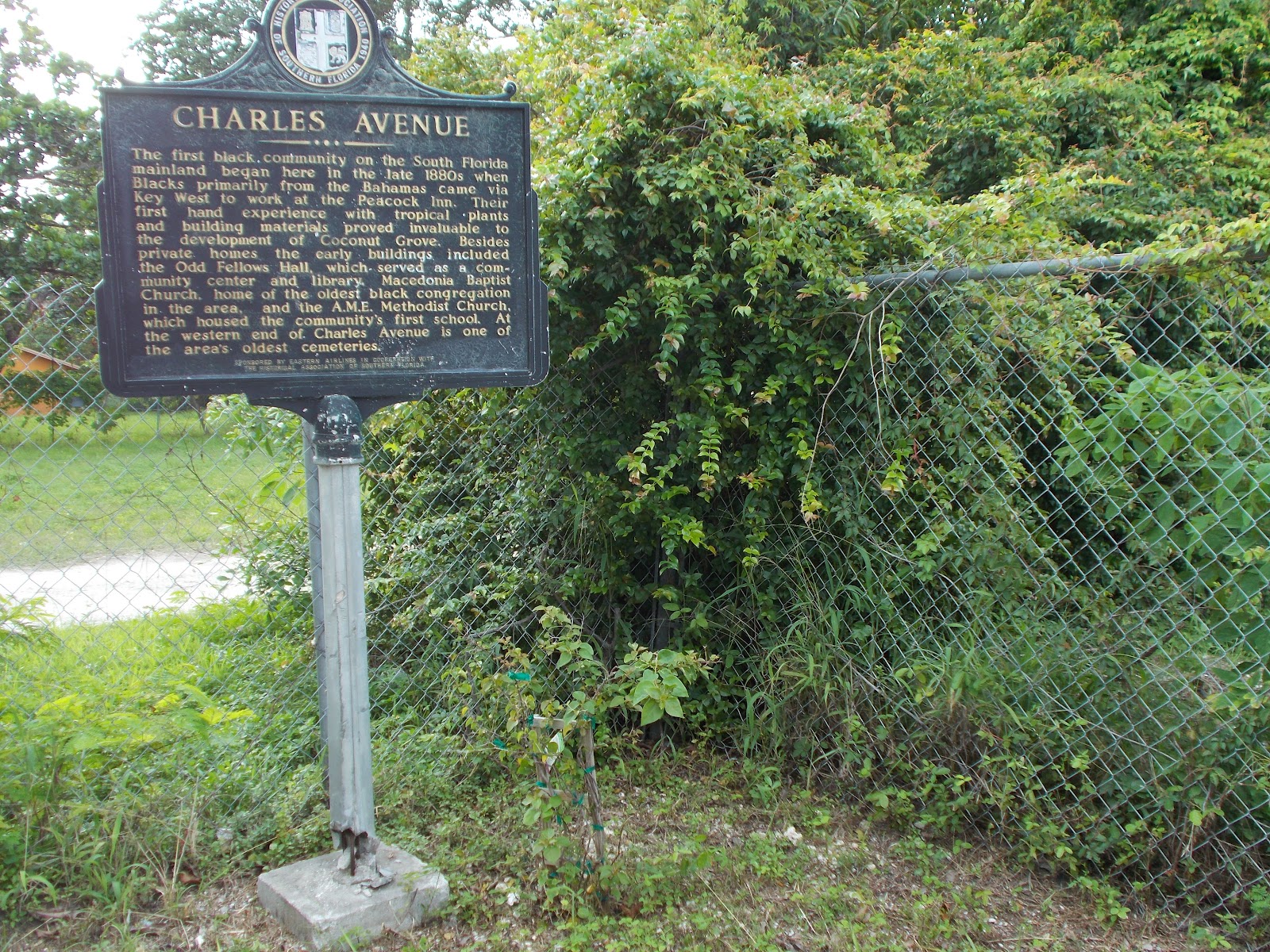
The marker that started my quest. Click to enlarge.

After a short hiatus, here’s a fair warning for those who got tired of hearing me spout off about Charles Avenue and Coconut Grove: I got the bug all over again, so get used to hearing me spout off about Charles Avenue and Coconut Grove all over again.

At my old, former, moribund blog Aunty Em’s Place (now overgrown with spammers and ivy) I started a series called The Shame of Coconut Grove™, which I continued on facebook on my old, former, moribund Aunty Em Ericann account. Before Aunty Em was kicked off facebook, she (me!) had unpacked quite a bit of Coconut Grove, both its history and internal politics, all because of an accidental encounter with a historical marker (at left).

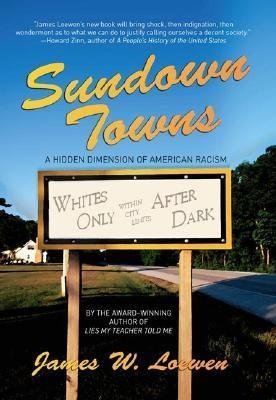
A must read book on race

People who have known me a long time know I gravitate towards stories about race relations, a life-long interest. Had I really taken up that Black Studies Program when I first considered it, I’m sure I would be Black by now. Coincidentally on the day I discovered the Charles Avenue historical marker, as part of my independent study reading list, I was in the middle of “Sundown Towns: A Hidden Dimension of American Racism,” by James W. Loewen, which is the single greatest book on race relations I have ever read. It explained to me why every ‘Merkin city looks the way it does and why the overt racism of days gone by led to the covert racism of today. It also explained, for me, how White Privilege was woven into the fabric of life as generations experienced it so that, today, it covers us like a warm blanket that is so comfy we don’t even realize we’re wrapped in it. The events and attitudes described in Loewen’s book affect our lives every day, whether we stop to consider it or not.

There was just something about the Charles Street historical marker that spoke to me. The sign, the location, and the condition seemed to encapsulate the Black ‘Merkin Experience: a rich history not only ignored and forgotten, but mistreated in its memory. The panorama below shows the condition of the marker and the historic E.W.F. Stirrup House across the street. [More about the house and Mr. Stirrup in later chapters.]

Panorama of the historical marker and the E.W.F. Stirrup House across the street. Click to enlarge.

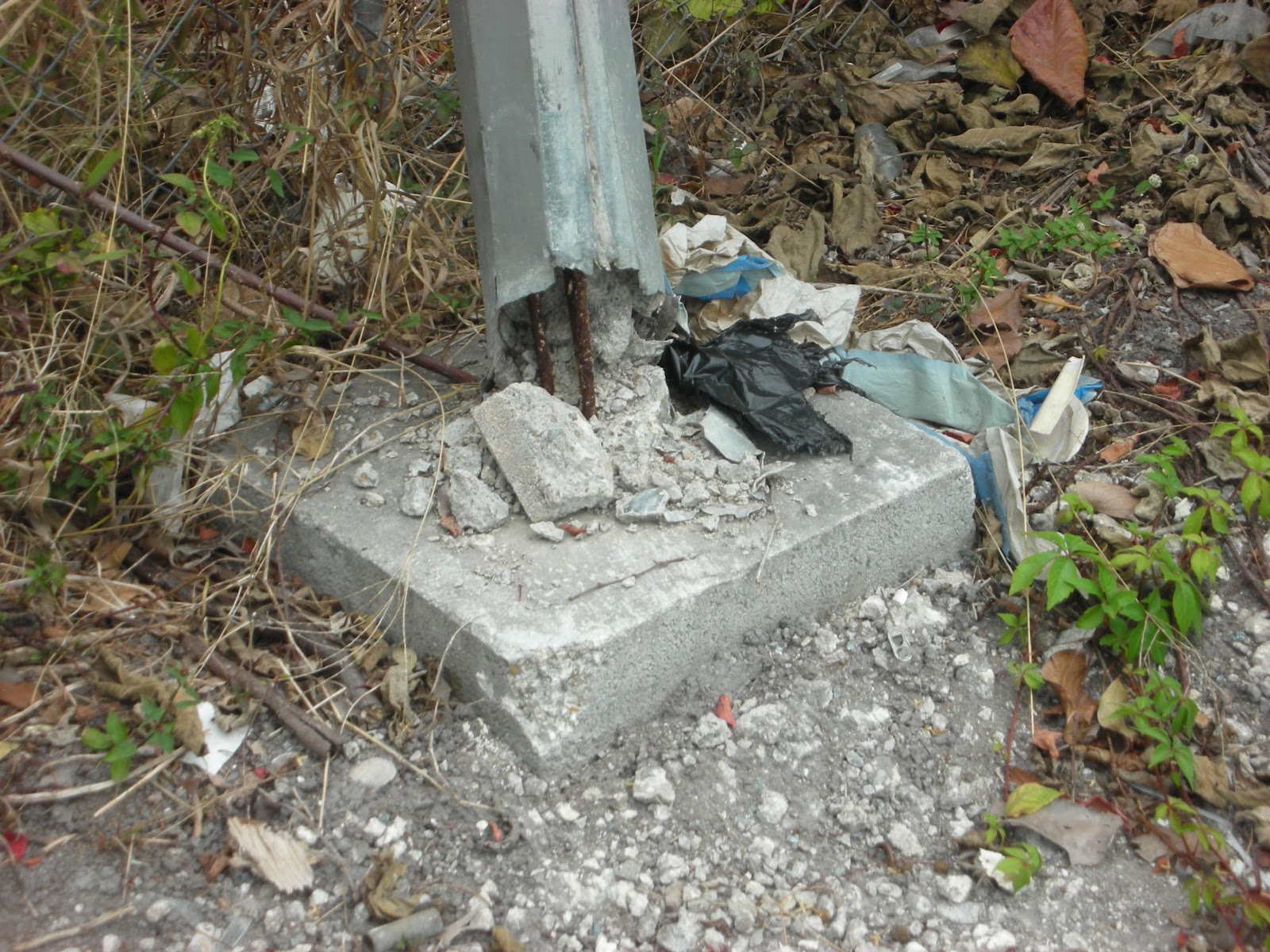
Detail of sign’s base. Click to enlarge.

The sign was leaning backwards at an uncomfortable angle. If not for the fence behind it, it might have fallen down completely. The base (see right) was broken. The first time I visited (early 2009) I just thought the pole was bent. I didn’t see the base due to the garbage bags piled up all around it. [I cannot seem to find the pics of my 1st visit, but have all the rest.] On my second visit, and subsequent visits, the garbage had changed, which meant that it was being used as a regular, accepted trash collection site. And, why not? The base had clearly been broken for quite a while to have sustained the damage I saw. The aluminum post, when new, had been filled with cement and steel rebar, which was in a dreadful state of disrepair having been exposed to the elements for…how long? I had no way to estimate, but it was clearly not recent. The sign had been sponsored by Eastern Airlines, a defunct company, in cooperation with The Historical Association of Southern Florida, an entity I could never find.

The location of the sign is no less significant. There’s no way to whitewash this: Coconut Grove, Florida (incorporated into Miami in 1925) is considered one of the most exclusive addresses in all of ‘Merka.


View Charles Avenue, Coconut Grove, Fl, 33133 in a larger map. Zoom out to see Coconut Grove in relation to Miami.

E.W.F. Stirrup House

Let’s get oriented: Coconut Grove is nestled up against the western edge of Biscayne Bay, where the 3,000 mile long intercoastal waterway trails off into nothingness. The E.W.F. Stirrup House (pictured at left), the Coconut Grove Playhouse (pictured below) and the Charles Avenue historic marker are on the eastern end of Charles Avenue at Main Highway,  On the opposite, eastern side of Main Highway is a residential area I have been unable to breach. It is one of the most exclusive areas in ‘Merka, so gated and secured even Google mapping cars aren’t allowed inside. I once walked to the gate and started taking pictures and within a minute was shooed away by a security guard that appeared out of nowhere. These fuckers are serious.

The Coconut Grove Playhouse taken from
the more exclusive side of Main Highway.

I became obsessed with the Charles Avenue historical marker and Coconut Grove, to the point where I decided it was the perfect place to locate my favourite character in my novel-in-progress. That gave me another reason to research Coconut Grove. Work took me through the area every couple of weeks. I would always stop and take as many pictures as I could stand before the oppressive Florida heat got to me. I now have thousands of pictures of Charles Avenue and enough research to think I have uncovered a years old scandal in the village of Coconut Grove that could become a non-fiction book all on its own.

However, two years ago my circumstances changed and I no longer had any reason to drive the 35 miles to
The Grove. When I was visiting it regularly, Aunty Em Ericann would come back and post dozens of pictures on facebook with a small essay describing the lack of changes on Charles Avenue from week to week. I became dejected. Aunty
Em
had spent a considerable amount of my time posting pictures, writing essays, and contacting community
activists. However, I couldn’t get any traction on my
Save the Charles Avenue Sign campaign. Worse, I couldn’t get anyone interested in what I (still) believe is a massive, multi-gajillion dollar real
estate scandal.

Since I couldn’t get anyone to listen, and I am no longer an investigative journalist with an editor to support and sponsor these expensive fishing expeditions into possible malfeasance, I gave up. However, I never forgot about Coconut Grove, especially since my novel character Adrian had moved there at the end of the ’60s, after Detroit had started to become toxic.

Lately Charles Avenue has been nagging at me. Because it’s 35 miles away —
all crazy Florida highway — I have been putting off making the trip for the past few weeks. I knew I would need a minimum of 3 hours to do it justice; get there, take some pictures, check on recent developments, and come home. It was difficult to work into my schedule and the longer I tried, the guiltier I felt for having abandoned Charles Avenue. Last week I finally bit the bullet, gassed up the tank, and made the harrowing highway adventure. I returned more despondent than ever about Charles Avenue. I came back even more pissed off at what is clearly The Shame of Coconut Grove™. However, it also made me more determined than ever to do something about it. What? I do not know. I am still processing and writing about the trip, which will be Part Two in this series. Part One is long enough already, but I felt this background was needed.

However, before I sign off, there was one bit of good news on Charles Avenue. Someone (or a group of someones) have taken it upon themselves to attempt to straighten the Charles Street historical marker. They have also planted a drought-resistant flowering bush next to it. It will look nice when it fills in.

The sign, while still not true, no longer leans against the fence. The new plant is staked in the ground to the right of it.

The late afternoon sun streams down Charles Avenue in this recent panorama.

However, this small sliver of hope doesn’t even begin to mitigate all the negative I saw. That’s why I have decided to take up the cause of Charles Avenue once again. I am going to make Charles Avenue the most famous street in ‘Merka, representing centuries of institutional racism. And, along the way, I just might expose a multi-gajillion dollar Coconut Grove boondoggle. Who’s along for the ride?

Stay tuned for Part Two of Unpacking Coconut Grove.