Category Archives: Media

The Hit Parade ► A Musical Appreciation

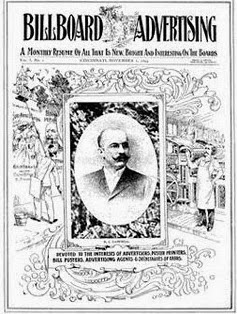
The first issue of The Billboard Advertiser

It was 80 years ago today that Billboard Magazine launched The Hit Parade, a countdown of the most popular recordings in the country based on sales and radio play. While the chart has changed over the years — and has been balkanized into just about every genre of music known — the main list is now known as The Hot 100.

We know Billboard today as a music magazine, but when it was launched in 1894 it was a circus magazine. At the time the circus was the biggest form of entertainment in the country. Atlas Obscura tells all in Number One With A Bullet: The Rise of the Billboard Hot 100:

According to a history written by his grandson, Roger S. Littleford, Jr., the founder of Billboard,
William H. “Bill” Donaldson, built the magazine to serve an entirely
different need. Donaldson worked for the family business, a Newport,
Kentucky-based lithography shop that churned out advertisements and
posters for the circuses, fairs, and other traveling shows that
criss-crossed the country. Donaldson realized that most of his
clients—the managers and owners who ordered the posters, and,
especially, the billstickers tasked with staying one step ahead of the
shows and pasting the posters to every available surface—lacked
permanent addresses, and thus were unable to communicate with each
other.

In 1894, Donaldson started to spend his nights and weekends putting together Billboard Advertising,
a trade publication dedicated to gathering all the news that might be
relevant to his more itinerant peers. The first issue, published that
November, had eight pages of relevant tidbits, laid out in columns like
“Bill Room Gossip” and “The Indefatigable And Tireless Industry of the
Bill Poster.” Now the “advertisers, poster printers, bill posters,
advertising agents, and secretaries of fairs,” as the issue categorized them, could pick up a magazine at a newsstand anywhere in the country and know what to expect on the opposite coast.


This is the first #1 tune on the first Billboard Hit Parade in 1936

Over the years as the entertainment industry expanded, so did Billboard’s coverage of it; from sheet music, to plays, to movies, to musicals, to radio, to recorded music, to downloads. It was all a natural progression to follow what was popular in ‘Merkin entertainment and technology. The WikiWackyWoo picks up the story:

On January 4, 1936, Billboard magazine published its first music hit parade.
The first Music Popularity Chart was calculated in July 1940. A variety
of song charts followed, which were eventually consolidated into the
Hot 100 by mid-1958. The Hot 100 currently combines single sales, radio airplay, digital downloads, and streaming activity (including data from YouTube and other video sites). All of the Billboard
charts use this basic formula. What separates the charts is which
stations and stores are used; each musical genre has a core audience or
retail group. Each genre’s department at Billboard is headed up by a chart manager, who makes these determinations.

For many years, a song had to be commercially available as a single to be considered for any of the Billboard charts. At the time, instead of using Nielsen SoundScan or Nielsen Broadcast Data Systems (BDS), Billboard obtained its data from manual reports filled out by radio stations and stores. According to the 50th Anniversary issue of Billboard,
prior to the official implementation of SoundScan tracking in November
1991, many radio stations and retail stores removed songs from their
manual reports after the associated record labels stopped promoting a
particular single. Thus songs fell quickly after peaking and had shorter
chart lives. In 1990, the country singles chart was the first chart to use SoundScan and BDS. They were followed by the Hot 100 and the R&B chart in 1991. Today, all of the Billboard charts use this technology.
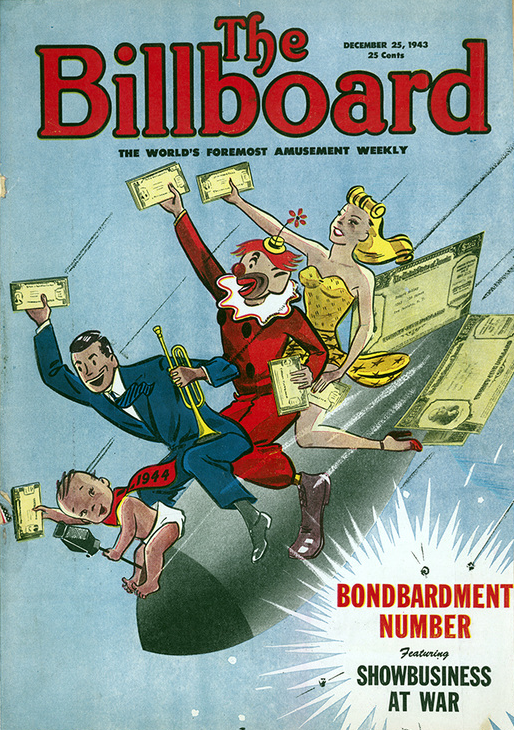

IRONY ALERT: When I worked at Island Records Canada, I promoted this tune

There was a time in my life when I lived — literally — and died — figuratively — by the Billboard charts. When I worked for Island Records Canada as a Promotion Rep, I spent hours with each new issue of Billboard, trying to discern trends the same way astrologists look for signs in their charts.

Trying to get Bob Marley played on FM radio in Canada was a nearly impossible feat at the time. This was when Rastaman Vibration was just released. It was such an uphill struggle because few people even knew who Bob Marley was and Reggae still confused a lot of people. I told people it was just like Rock and Roll, except the beat didn’t go KUH-thunk, KUH-thunk. It went Thunk-kuh, Thunk-kuh.

We badgered one radio station in Canada after another to add Marley to their playlists, with almost no luck whatsoever. Only the odd campus radio station were sold on Marley’s power as an artist.

CHUM-FM was the station we worked on the hardest because it was the biggest station in the country. Consequently it was a leader among Canadian radio stations. CHUM’s music committee consisted of Benji Karsh and Brian Masters. They hated Marley. Week after week, we’d pitch them Bob Marley. Each week we’d send them photostatic copies of charts from around the world, showing which radio stations were smart enough to jump on the Bob Marley bandwagon. Every week they just laughed. Finally one week they said, “We won’t play this until it charts in Billboard.”

Guess what?

A few weeks later Rastaman Vibrations finally appeared on the Billboard chart. We were able to go back to CHUM-FM and make them eat those words. From that day on Bob Marley was heard on CHUM-FM. Later I was amused to hear them pretend to have discovered Bob Marley, even though they had to be dragged kicking and screaming all the way.

Kicking 2015 to the Curb ► The Ultimate Throwback Thursday

As we all look forward to a New Year, some highlights before all the sand runs out of this one:

THE JOHNNY DOLLAR WARS

Maybe I was just asking for trouble, but I began 2015 by . . .

While I thought these crazy cyber-bullies were finally vanquished, just recently “Angie Simmoril” — who hides behind a wall of complete anonymity — popped up again to promise big doings on the Aurelius Project for the beginning of 2016. While I had almost forgotten The Flying Monkey Squad existed, this is simply more proof that an obsessed crazy person never really goes away — unless they die, which is really what I thought had happened with Grayhammy.

Watch this space.

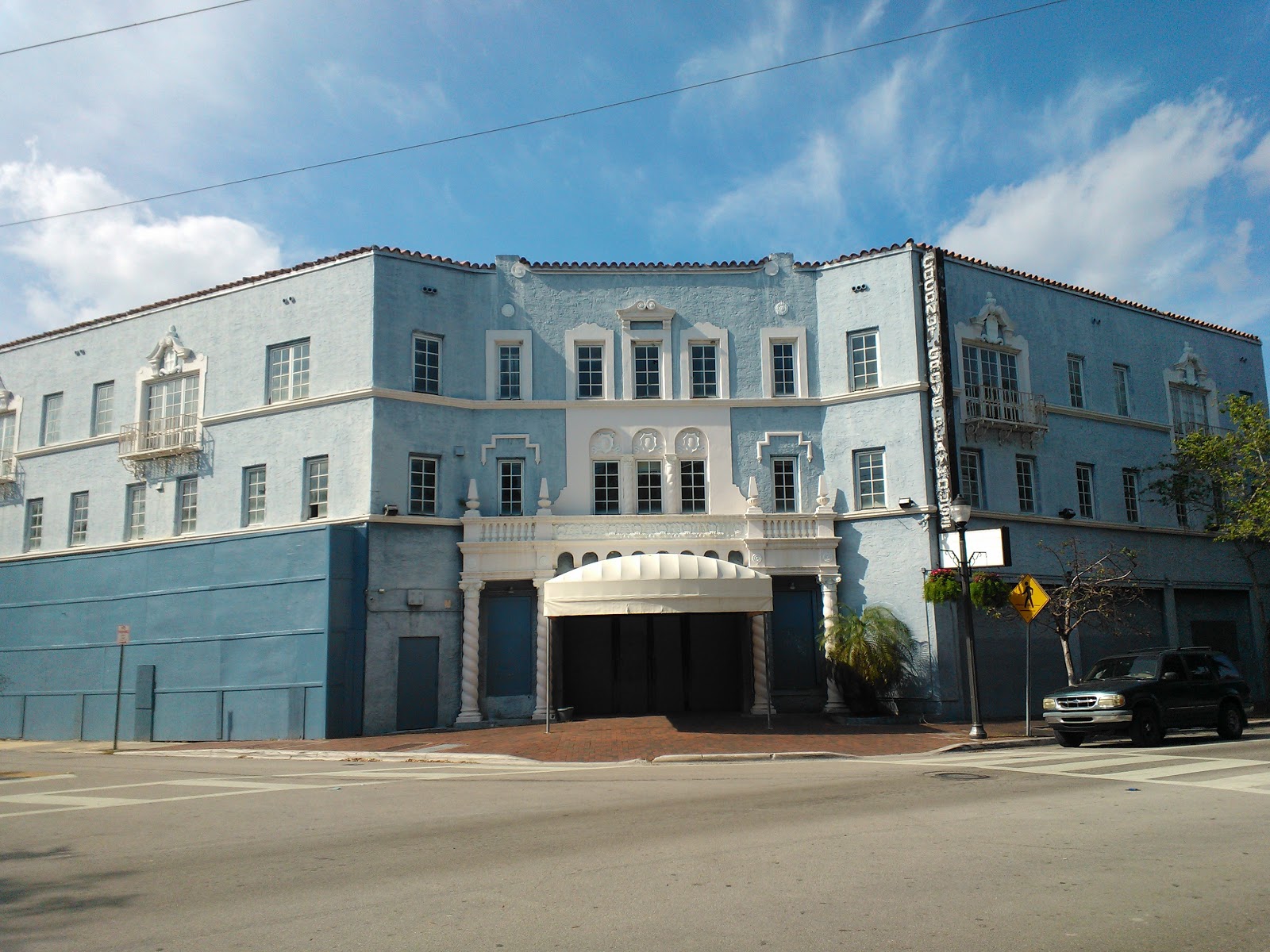
COCONUT GROVE PLAYHOUSE & PARKING LOTS

I wrote so many stories about Coconut Grove this year, but most of them were about the Coconut Grove Playhouse and its surrounding parking lots. That meant I spent a lot of time in parking lots this year, and the year before, while I did research in the field, as it were:

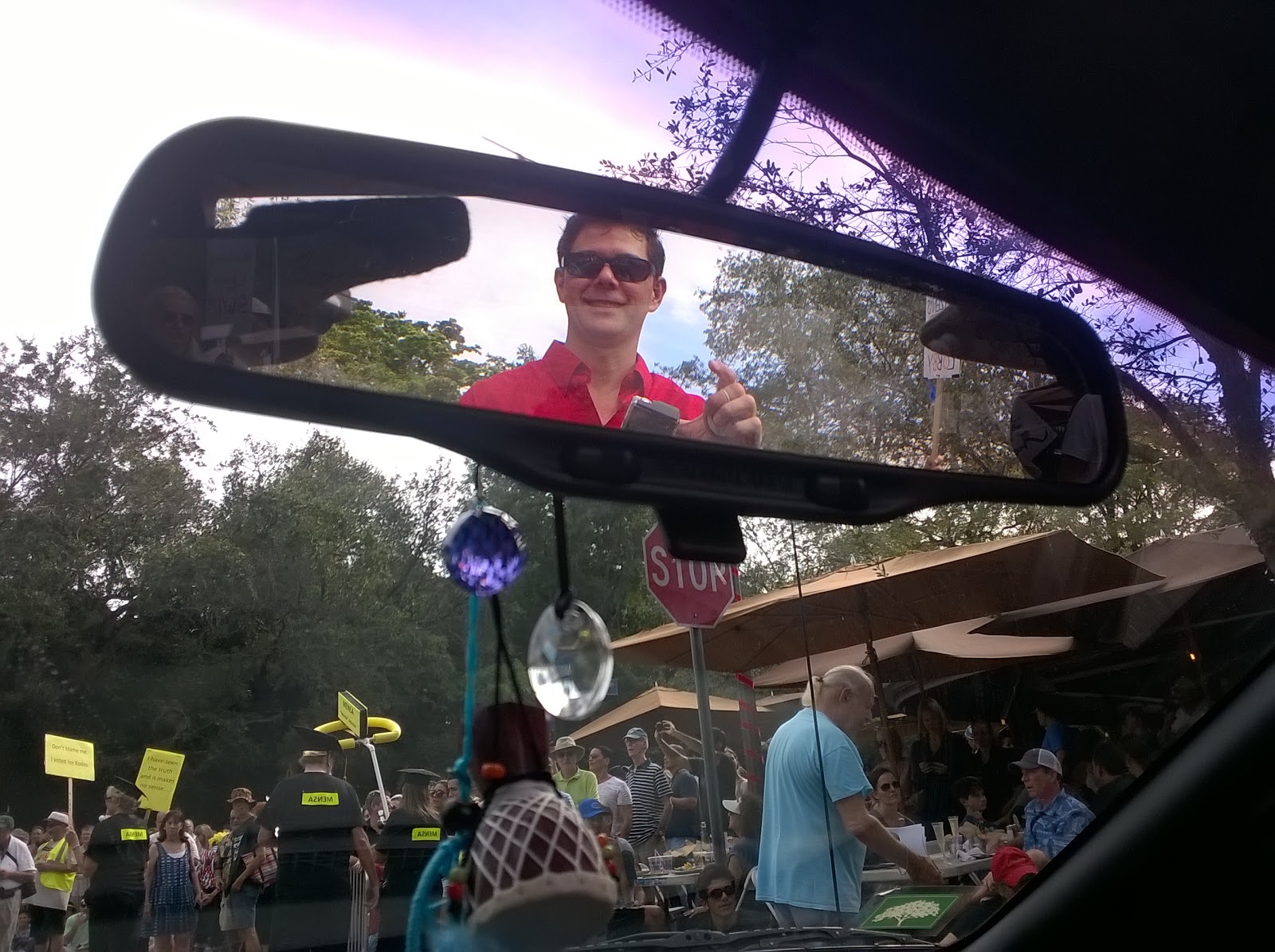
When I agreed to drive a car at this year’s King Mango Strut, little
did I know it would be the one with Ken Russell doing yo-yo tricks

MIAMI DISTRICT 2 POLITICS

My campaign to SAVE THE E.W.F. STIRRUP HOUSE not only led to all those stories on the Coconut Grove Playhouse — which is catercorner to it — but also got me deeper then ever into District 2 politics. That led to a series of stories about [allegedly] corrupt Miami Commissioner Marc D. Sarnoff, which naturally led to that time When Miami Commissioner Marc D. Sarnoff Lied To My Face.

When the term-limited Sarnoff put up his wife Teresa to run in his place for District 2 Commissioner, I started following the election closely. My first foray in covering the candidates didn’t go so well. Jammed For Time tells the story of getting thrown out of the Grace Solaris campaign kickoff. That didn’t auger well for the rest of the Commissioner race. As far as I knew the rest of the field would treat me similarly. Luckily, none of them did. All were gracious about answering questions and posing for pictures. That provided a number of stories, the best of which are:

Interview With District 2’s Ken Russell

During the race several of the candidates agreed to talk to me, allowed me to accompany them on door knocks, let me sit in on private meetings and phone calls, and gave me some very interesting inside skinny on the donation process. All of this was done on an OFF THE RECORD basis, to be embargoed until after the election. I’m still processing my notes and recordings to see what kind of story I can get out of it.
To be continued.

PRESIDENTIAL POLITICS

As much of a political junkie as I am, I’ve been mainlining what’s been going on in the presidential race. While I’ve not written specifically about Donald J. Trump, I have created a number of memes currently whizzing around the innertubes. Collect ’em all. Trade ’em with your friends.

However, I have covered the joke that is some of the rest of the current GOP field, and some previous races:

PASTORAL LETTERS

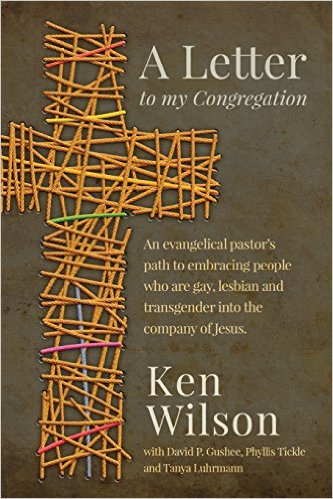
Late last year I reconnected with my childhood friend Kenneth John Wilson. Ken, who is an evangelical pastor in Ann Arbor, Michigan, has written a very important book on LGBT acceptance in the church. I started following his extraordinary story and began a series of Pastoral Letters to him. Occasionally he replies, but I am writing then more to understand my mind than his.

I’ve started another Pastoral Letter, but it will be a while before I get all my thoughts in order.

FALSETTO VOICE:

I began my research into Coconut Grove years ago at the E.W.F. Stirrup House. While there’s not been that much to write about on that issue over the last year — because almost nothing has changed — that doesn’t mean I’ve forgotten all about Gino Falsetto, the rapacious developer who got his grimy hands on the historic structure:

I’m also prepping a new story on the E.W.F. Stirrup House.  It’s almost half written. Stay tuned. Watch this space. Coming to a browser near you.

This year I also bonded with Fox’s Campaign Carl Cameron

THE FOX “NEWS” CHANNEL

My fascination/revulsion with the Fox “News” Channel continues, which is how I picked up Johnny Dollar as an enemy in the first place. No matter. For the last year I’ve written a Friday Fox Follies for PoliticusUSA website, continued to run Fox Follies and Fallacies, over at the facebookery. However . . .

. . . sums up my attitude whenever I encounter a Fox “News” spouting parrot.

ROAD TRIPS:

This year I took 2 marathon road trips, both more than 3,000 miles from door to door. These are just some of the posts these road trips generated:

TWO NEW SERIES:

Before the road trips I stopped aggregating the Headlines Du Jour. It took several hours 3 days a week and it was a trap, without any achival value. When I got back from the road trips I began two brand new series. Launching Throwback Thursday with The Westerfield Journals was one and Monday Musical Appreciation the other. I’m quite proud of both of these series. In both these series I am highlight some of the lesser-known history-makers.

NAME DROPPING

One of the things I’ve been accused of over the years is name-dropping. I plead guilty and throw myself on the mercy of the internet. What’s the penalty? Izzit just a fine or jail time?

No matter. Exhibit A and B as evidence against me this year:

Those are just some of the highlights from the last year. No one knows what 2016 will hold for the Not Now Silly Newsroom, but I’ll be writing it from Toronto. More specifically, Kensington Market. It felt so good in September, I’m going to do it all over again. To that end, I’ve launched a Go Fund Me to help defray my moving expenses. It’s amazing how much stuff I’ve accumulated in the last decade. Help me get back to Toronto:


A Big Day for Florida & Music ► Monday Musical Appreciation

Two musical events occurred on this day in history — 8 years apart — that changed South Florida and music. 

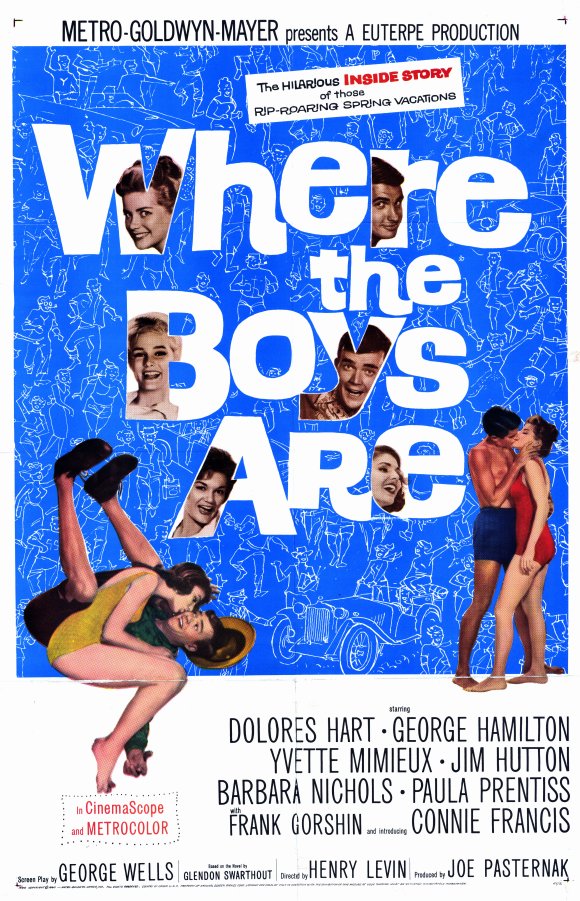
In 1960 the teen comedy Where the Boys Are was released to theaters around the country. SPOILER ALERT: It’s the madcap story of 4 college girls who take a road trip to Fort Lauderdale on Spring Break for some sand, surf and sex.

Where the Boys Are made Fort Lauderdale an official destination for every footloose college student. Starting with the very next break in 1961, college students poured into Fort Lah De Dah. The media publicized it, creating new converts for the next year.

At first no one minded so much because the kids brought money. However, every year there were more Spring Breakers than the previous until, as TIME magazine told its readers in A Brief History of Spring Break:

By the free-loving ’70s, Fort Lauderdale’s fun and sun had become
decidedly raunchier. With gratuitous PDA and “balcony-diving” —
negotiating one’s way from balcony to balcony to get to other floors or
rooms, a practice typically performed in a drunken stupor and thus madly
dangerous — the norm, many communities began questioning why the heck
they had invited such unruly houseguests in the first place. By 1985,
some 370,000 students were descending on Fort Lauderdale (or fondly,
“Fort Liquordale”) annually — prompting yet another exploitative film, Spring Break
starring Tom Cruise and Shelley Long. But by the end of the ’80s, the
town had enough: stricter laws against public drinking were enacted and
Mayor Robert Dressler went so far as to go on ABC’s Good Morning America to tell students they were no longer welcome. As a result, spring
breakers were pushed even farther south, and to destinations outside the
U.S. where the sun was hotter and drinking ages lower.

By the time I moved to the Fort Lauderdale area in 2015, Spring Break was just a shadow of its former Bacchanalian self.

Where the Boys Are is a pretty good movie and has held up over the years. It’s a wonderfully kitchy throwback to a simpler time, but still explores some serious social issues about teens and their sexuality. It also hosts a wealth of good acting, including Paula Prentiss in her first movie; Yvette Mimieux, playing an innocent who has a downfall; and George Hamilton, playing George Hamilton, the role he was made for.

However, avoid 1984’s Where the Boys Are. It’s so bad it’s not even good.

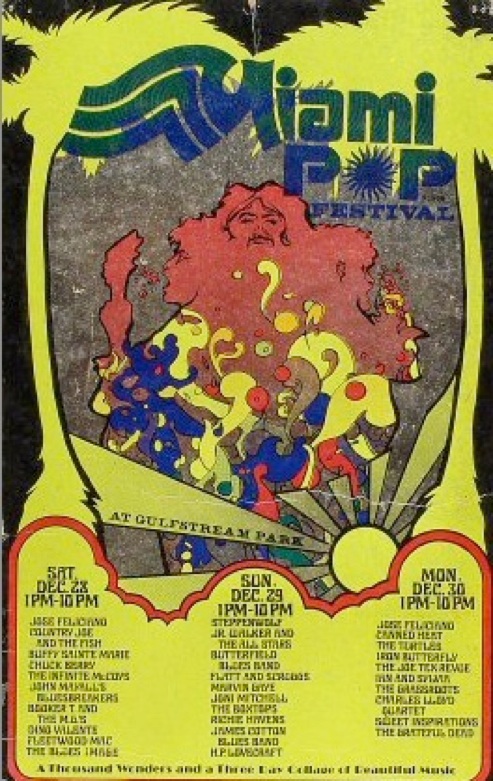
Eight years after Where the Boys Are came the Miami Pop Festival, a 3-day extravaganza featuring a who’s who of the music scene, including (alphabetical list stolen from the WikiWackyWoo): The Amboy Dukes, Chuck Berry, Blues Image, The Box Tops, Paul Butterfield Blues Band, Canned Heat, Wayne Cochran, Cosmic Drum, James Cotton Blues Band, Country Joe and the Fish, José Feliciano, Fish Ray, Flatt and Scruggs, Fleetwood Mac, Marvin Gaye, The Grass Roots, Grateful Dead, Richie Havens, Ian & Sylvia, Iron Butterfly, Junior Junkanoos, Jr. Walker & The Allstars, The Charles Lloyd Quartet, Hugh Masekela, Joni Mitchell, Pacific Gas & Electric, Procol Harum, Terry Reid, Buffy Sainte-Marie, Steppenwolf, The Sweet Inspirations, Sweetwater, Joe Tex, Three Dog Night, and The Turtles. All for $7.00 per day!!!

The Miami Pop Festival was the first big festival on the east coast and was the precursor to Woodstock.

And, nothing was ever the same again.

Zappa, Elvis & Nixon ► Monday Musical Appreciation(s)

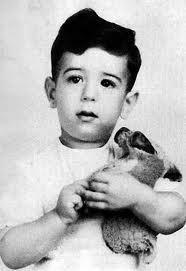
Frank Zappa before the mustache

There are two big events in today’s music history and I couldn’t decide between them. On this day in 1940 Frank Zappa was born. In unrelated news, 30 years later Elvis Presley bluffs his way into Nixon’s White House and is presented with a law enforcement badge so the drug-addled King of Rock and Roll can help fight the War on Drugs. No, really!

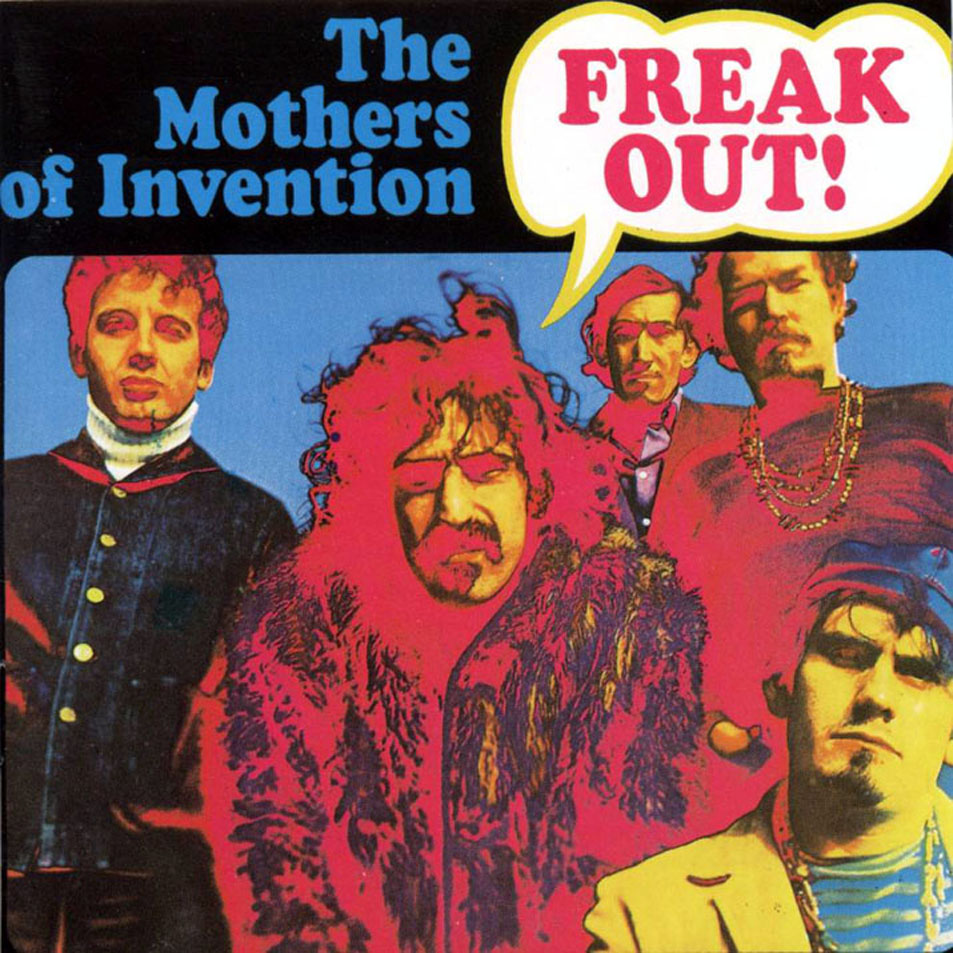
I can still remember the day I bought Zappa’s first LP, Freak Out. It was in the Kresge’s record department and the band was one of the ugliest I had ever seen. I was 14 years old and had never heard of The Mothers of Invention before, but there was something about the cover that made me buy it. The back cover has what purported to be a letter from what purported to be a Suzy Creamcheese:

These Mothers is crazy. You can tell by their clothes. One guy wears beads and they all smell bad. We were gonna get them for a dance after the basketball game but my best pal warned me you can never tell how many will show up…sometimes the guy in the fur coat doesn’t show up and sometimes he does show up only he brings a big bunch of crazy people with him and they dance all over the place. None of the kids at my school like these Mothers… specially since my teacher told us what the words to their songs meant. Sincerely forever, Suzy Creamcheese, Salt Lake City, Utah.

All of that added up to GOTTA HAVE IT!

I distinctly remember taking it home and being surprised by that it was a 2 LP set (apparently only the 2nd double album of the Rock era, following Dylan’s Blonde on Blonde by mere weeks). I also remember how utterly confused I was after I listened to the entire 4 sides. The first 2 sides consisted of what could only be described as Demented Doo Wop. It was hard to tell if Zappa was satirizing the genre or lovingly recreating it, especially after listening to the final 2 sides. I didn’t have the language then for what it was, but I was immediately hooked. I have been a life-long Frank Zappa fan ever since.

However, as I keep saying, it’s all about the music. Here’s Frank Zappa’s first official LP of a career that produced more records than anybody else in the Rock era:

The unanswered question is why my unformed, teenager mind so readily glommed onto Zappa, way ahead of the curve.

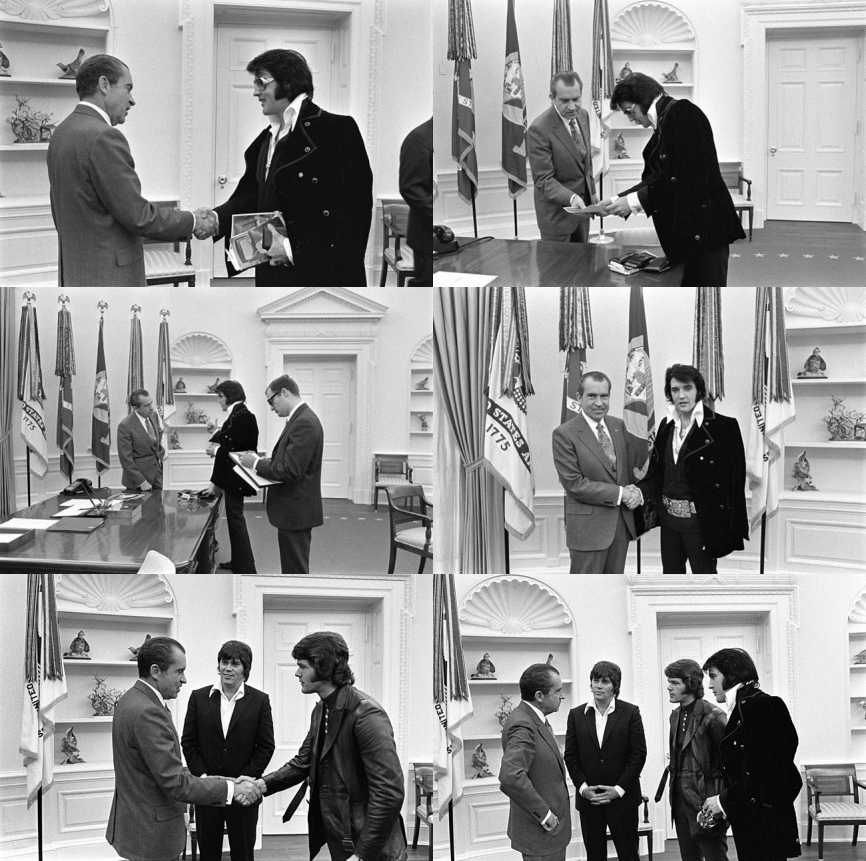
Animation created by author from public domain White House photos

The Elvis Presley incident is a bizarre footnote to the entire Watergate presidency of Richard Nixon and provided a strange capper to the long career of Elvis Presley.

To make a long story short: Nixon went on the lam from Graceland and the Memphis Mafia after an argument with his wife Priscilla and his father Vernon over the cost of Christmas gifts.

First he flew to Washington, but then took off to Los Angeles. There he concocted an incredible plan to meet President Nixon. According to the Smithsonian Institute, of all places:

Elvis was traveling with some guns and his collection of police badges, and he decided that what he really wanted was a badge from the federal Bureau of Narcotics and Dangerous Drugs back in Washington. “The narc badge represented some kind of ultimate power to him,” Priscilla Presley would write in her memoir, Elvis and Me. “With the federal narcotics badge, he [believed he] could legally enter any country both wearing guns and carrying any drugs he wished.”

After just one day in Los Angeles, Elvis asked [Jerry] Schilling to fly with him back to the capital. “He didn’t say why,” Schilling recalls, “but I thought the badge might be part of the reason.”

On the red-eye to Washington, Elvis scribbled a letter to President Nixon. “Sir, I can and will be of any service that I can to help the country out,” he wrote. All he wanted in return was a federal agent’s badge. “I would love to meet you,” he added, informing Nixon that he’d be staying at the Washington Hotel under the alias Jon Burrows. “I will be here for as long as it takes to get the credentials of a federal agent.”

That’s all it took to get an Oval Office meeting with Nixon, who happily posed for pictures with the King of Rock and Roll. The National Archives has an entire online exhibit called When Nixon Met Elvis and there’s a hilarious movie, Elvis Meets Nixon, which takes some liberties with the truth and features my cyber-friend Curtis Armstrong as Farley Hall. Both are highly recommended by me.

Nixon went on to quit the presidency over Watergate, while Elvis died on the crapper.

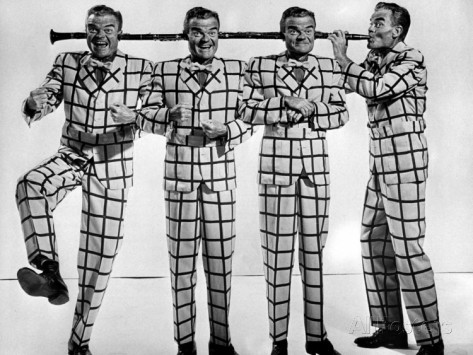
Spike Jones on the Box ► Monday Musical Appreciation

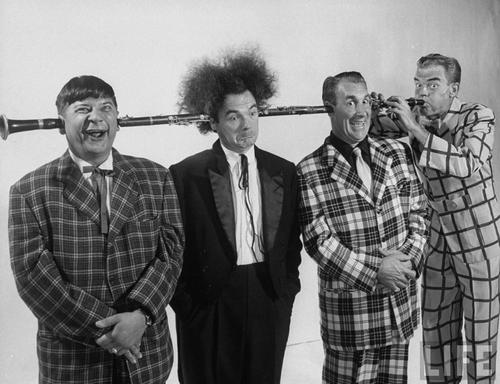
On this day in 1911 Lindley Armstrong Jones was born. He later got the nickname Spike because he was as thin as a railroad spike.

Spike Jones was, essentially, a drummer. He got his first drum kit at the age of 11 and never looked back. As a young man he played in various bands, orchestra pits and radio shows as he was coming up. As a drummer in the John Scott Trotter Orchestra, Jones can be heard playing on Bing Crosby‘s biggest hit “White Christmas.”

Bored with playing the same music night after night, Spike found some musicians who were as warped as he was and they started playing parodies of the songs of the day for their own enjoyment. Then they started recording the songs to play for their wives.

One of those recordings found its way to RCA Records, where Spike Jones and His City Slickers recorded their first single, “Der Fuhrer’s Face.” The song, written by Oliver Wallace, was skedded for a 1943 Donald Duck cartoon called, originally, “Donald Duck in Nutzi Land,” and later “Der Fuhrer’s Face. It later won an Academy Award.

However, Spike Jones’ version was released first and became a huge hit.
Jones thought this would be a flash in the pan, but the ‘Merkin public surprised him. They demanded more from Spike Jones and His City Slickers and Jones was happy to accommodate them.

As the shows became more elaborate, Jones’ impeccable timing came to the fore, with guns, whistles, and pots and pans all taking the place of percussion in some songs. He called his concerts Musical Depreciation.

It wasn’t just the hit parade that Spike Jones and His City Slickers parodied. According to the WikiWackyWoo:

Among the series of recordings in the 1940s were humorous takes on the classics such as the adaptation of Liszt‘s Liebesträume, played at a breakneck pace on unusual instruments. Others followed: Rossini‘s William Tell Overture was rendered on kitchen implements using a horse race as a backdrop, with one of the “horses” in the “race” likely to have inspired the nickname of the lone chrome yellow-painted SNJ aircraft flown by the U.S. Navy’s Blue Angels
aerobatic team’s shows in the late 1940s, “Beetle Bomb”. In live shows
Spike would acknowledge the applause with complete solemnity, saying
“Thank you, music lovers.” An LP collection of twelve of these “homicides” was released by RCA (on its prestigious Red Seal label) in 1971 as Spike Jones Is Murdering the Classics. They include such tours de force as Pal-Yat-Chee (Pagliacci), sung by the Hillbilly humorists Homer and Jethro, Ponchielli’s Dance of the Hours, Tchaikovsky’s None but the Lonely Heart, and Bizet’s Carmen.

The first time I ever heard a Spike Jones tune, it was on an 78 RPM platter of “My Old Flame”at Craig Portman’s house. It was one of his parents’ records. We played it dozens of times and laughred because we were just old enough to recognize the impersonation of Peter Lorre talk/singing the lyrics as the scenario became more and more macabre. [Later we used the stack of wax as Frisbees, long before the Frisbee was invented. While I’m not proud of that fact today, I’d still like to find Craig Portman, who moved to California when we were still teenagers. Google has been no help.]

Comedy music has a long and honourable history, as the Wiki also tells us:

There is a clear line of influence from the Hoosier Hot Shots, Freddie Fisher and his Schnickelfritzers and the Marx Brothers to Spike Jones — and to Stan Freberg, Gerard Hoffnung, Peter Schickele‘s P.D.Q. Bach, The Goons, Mr. Bungle, Frank Zappa, The Bonzo Dog Doo-Dah Band, The Mystic Knights of the Oingo Boingo, and “Weird Al” Yankovic. Billy Barty [who appeared with Spike Jones] appeared in Yankovic’s film UHF
and a video based on the movie. According to David Wild’s review in
Rolling Stone Magazine, Elvis Costello’s 1989 Album “Spike” was named
partly in tribute to Jones.

Syndicated radio personality Dr. Demento regularly features Jones’ music on his program of comedy and novelty tracks. Jones is mentioned in The Band‘s song, “Up on Cripple Creek“. (The song’s protagonist’s paramour states of Jones: “I can’t take the way he sings, but I love to hear him talk.”) Novelist Thomas Pynchon is an admirer and wrote the liner notes for a 1994 reissue, Spiked! (BMG Catalyst). A scene in the romantic comedy I.Q. shows a man demonstrating the sound of his new stereo to Meg Ryan‘s character by playing a record of Jones’ music.

As always, it’s about the music. Here’s a selection:


Mighty Mouse ► Throwback Thursday

On this day in 1955 Mighty Mouse Playhouse is first broadcast on tee vee.

Mighty Mouse originally appeared 1942 as cartoon shorts in movie theaters. According to the WikiWackyWoo: 

The character was originally conceived by Paul Terry.[1] Created as a parody of Superman, he first appeared in 1942 in a theatrical animated short titled The Mouse of Tomorrow. His original name was Super Mouse, but after seven films produced with that name from 1942-1943, it was changed to Mighty Mouse for 1944’s The Wreck of the Hesperus, after Paul Terry learned that another character named “Super Mouse” was to be published by Marvel Comics.

Sing along with me:

Mister Trouble never hangs around

When he hears this Mighty sound.

“Here I come to save the day”

That means that Mighty Mouse is on his way.

Yes sir, when there is a wrong to right

Mighty Mouse will join the fight.

On the sea or on the land,

He gets the situation well in hand.


In one of his first appearances on Saturday Night Live,
Andy Kaufman does the Mickey Mouse theme song.

Mighty Mouse moved from movie theaters to television in 1955, where the cartoons lived on for decades, inculcating generations of children with the theme song. Again, according to the WikiWackyWoo: 

Mighty Mouse was not extraordinarily popular in theatrical cartoons, but was still Terrytoons
most popular character. What made him a cultural icon was television.
Most of the short film studios, both live-action and animated, were in
decline by the 1950s, pressured both by the loss of film audiences to
television as well as the increased popularity (and financial benefits)
of low-budget, stylized, limited animation.
Most of the studios cashed out of the short-film production business
and began licensing or selling their back catalogs to television. Paul Terry went as far as to sell the entire Terrytoon company to CBS in 1955.[1] The network began running Mighty Mouse Playhouse in December 1955. It remained on the air for nearly twelve years (and featured The Mighty Heroes
during the final season). Mighty Mouse cartoons became a staple of
children’s television programming for a period of over thirty years,
from the 1950s through the 1980s.

Just pretend it’s Saturday morning and you are a kid again. Here’s some Mighty Mouse for you to enjoy:


Rock, Rock, Rock! ► Monday Musical Appreciation

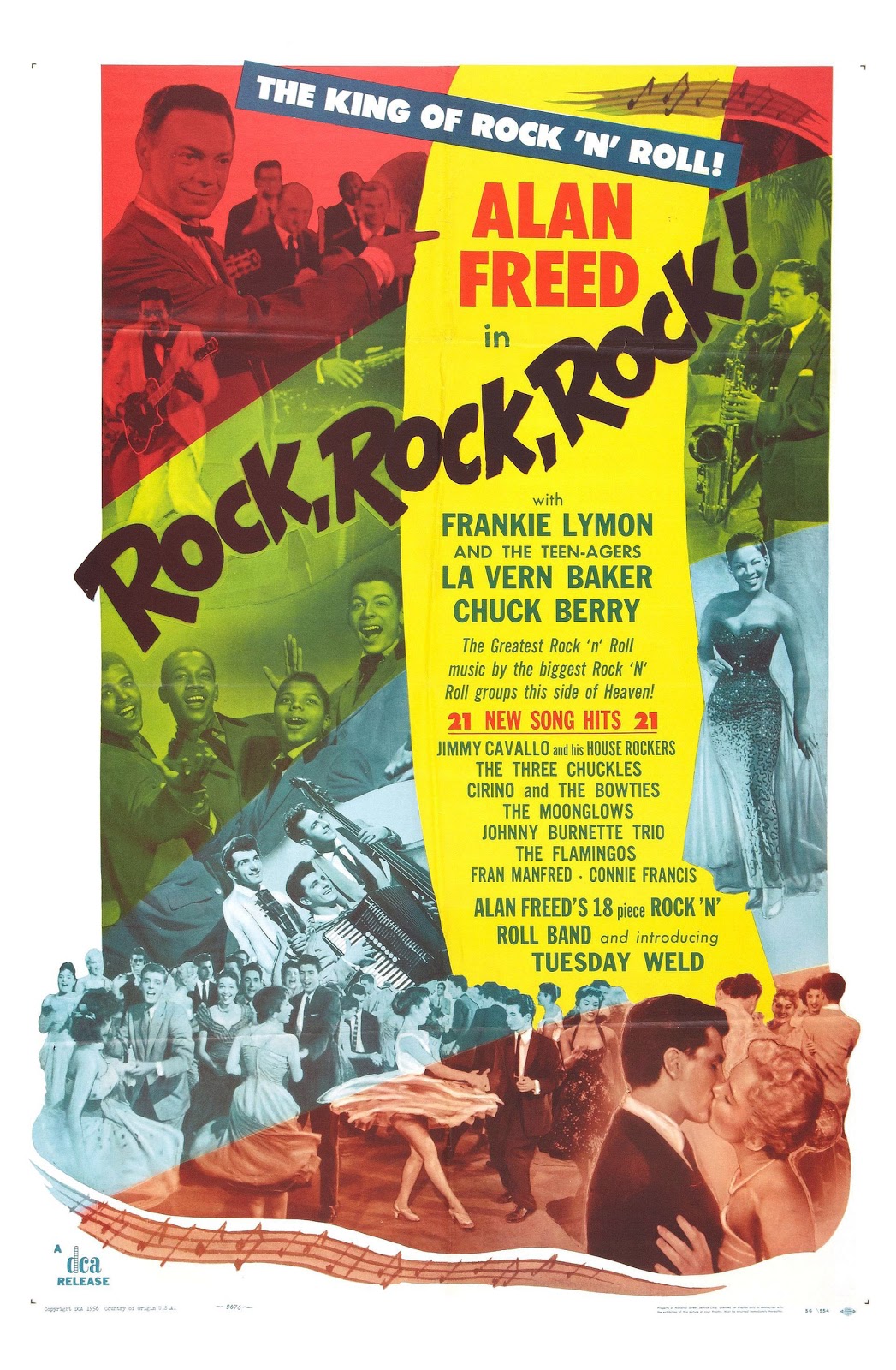
A precurser to the Baby Boomer Youth Culture to come, Rock, Rock, Rock! is one of the earliest Rock and Roll movies, released all the way back in 1956.

Youth culture was a phrase barely known when this movie was released and I was a mere 4 years old.

Top billed is Disk Jockey Alan Freed, who coined the term Rock and Roll and was an important link for teenagers until the Payola scandal brought him down in the early ’60s. Despite this disgrace, Freed was among the first class inducted into the Rock and Roll Hall of Fame. The RnRHoF was placed in Cleveland to pay tribute to Freed and his Moondog Coronation Ball, considered the first major Rock and Roll concert.

Rock, Rock, Rock! was the first movie for Tuesday Weld, years before she appeared as Thalia Menninger in The Many Loves of Dobie Gillis. Her singing was dubbed by Connie Francis. This is also the film debut of Valerie Harper — seen at the middle table during the performance of Cirino and the Bowties‘s tune “Ever Since I Can Remember” — and actor Jack Collins, who played dozens of roles on tee vee.

Not only was the movie in Black and White, so were the performers. According to jgp3553@excite.com on the Internet Movie Data Base:

A young teenage girl desperately tries to earn enough money to buy a dress for a school rock and roll dance. This early rock and roll feature, the 3rd in a series of 5 staring Disc Jockey and Rock N Roll impresario Alan Freed, includes performances by artist Chuck Berry, LaVern Baker, Frankie Lymon and the Teenagers, The Flamingos, The Moonglows and The Johnny Burnette Trio.

Because the movie entered the Public Domain, as the result of not getting the copyright renewed, it can be posted here without fear of a lawsuit. Enjoy:

The Beatles Meet Brian Epstein ► Throwback Thursday

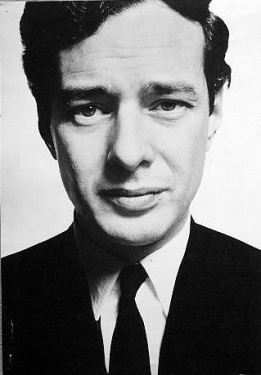
On this day in 1961 The Beatles meet with Brian Epstein to discuss whether he would manage them. And, nothing was ever the same again.

According to This Day In Music:

Brian Epstein invited The Beatles into his office to discuss the possibility of becoming their manager. John Lennon, George Harrison and Pete Best arrived late for the 4pm meeting, (they had been drinking at the Grapes pub in Matthew Street), but Paul McCartney was not with them, because, as Harrison explained, he had just got up and was “taking a bath”.

McCartney, bathed and dressed, eventually showed up and The Beatles decided to let Epstein become their manager. Over the next few years he helped take them to the “toppermost of the poppermost” as the most successful boy band of all time.

As the WikiWackyWoo tells us:

Epstein first discovered the Beatles in November 1961 during a lunchtime Cavern Club performance. He was instantly impressed and saw great potential in the group.[1] Epstein was rejected by nearly all major recording companies in London, then he secured a meeting with George Martin, head of EMI‘s Parlophone
label. In May 1962, Martin agreed to sign the Beatles, partly because
of Epstein’s conviction that the group would become internationally
famous.[2]

The Beatles’ early success has been attributed to Epstein’s
management style, and the band trusted him without hesitation. In
addition to handling the Beatles’ business affairs, Epstein often
stepped in to mediate personal disputes within the group. The Beatles’
unquestioning loyalty to Epstein later proved detrimental, as the band
rarely read contracts before signing them.[3] Shortly after the song “Please Please Me” rose to the top of the charts in 1963, Epstein advised the creation of Northern Songs, a publishing company that would control the copyrights of all Lennon–McCartney compositions recorded between 1963 and 1973. Music publisher Dick James and his partner Charles Silver owned 51-percent of the company, Lennon and McCartney each owned 20%, and Epstein owned 9%.[4] By 1969, Lennon and McCartney had lost control of all publishing rights to ATV Music Publishing.
Still, Epstein’s death in 1967 marked the beginning of the group’s
dissolution and had a profound effect on each individual Beatle. In
1997, Paul McCartney said, “If anyone was the Fifth Beatle, it was Brian.”[5]

That’s not all that happened to The Beatles on this day. Today in Beatles History gives us the full lowdown:

1938: Marriage of Alfred Lennon and Julia Stanley. After the ceremony, they go to the movies and then to their respective houses.

1963: Concert at the Guild Hall, Portsmouth (‘The Beatles Autumn Tour’) (postponed 12 November).

1964: Brian flies from Los Angeles to London.
1964: Appearance on BBC-TV’s ‘Top Of the Pops’.

1965: Start of UK tour, with the Moody Blues and The Kobbas & Beryl Mardsen. Concert at the Odeon Cinema, Glasgow.
1965: UK single release: ‘We Can Work It Out’/’Day Tripper’. First single officially released as double A side.
1965: UK LP release: ‘Rubber Soul’.

1966: ‘Yesterday’… And Today’, 24th week in the Top 200 (Billboard).

1971: UK LP release: ‘Fly’.

1977: Start of ‘London Town’ LP sessions at AIR London Studios.

1980: John and Yoko’s apartment, Dakota Building. Photographic session of John and Yoko, with Annie Leibovitz.

1988: 10th episode of a BBC series, essentially based on ‘The Beatles At The Beeb’ collection.

1993: Paul’s concert at the Pacaembu Stadium, Sao Paulo, Brazil (‘The New World Tour’).

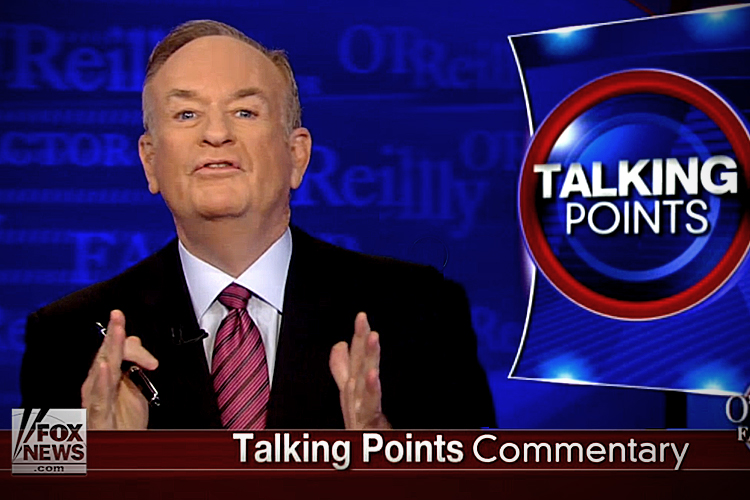
The Annotated Bill O’Reilly Talking Point Memo #1

I’ve read and watched so many of these Talking Point Memos, I could probably write one. All one needs do is use as many of the 7 types of propaganda techniques as possible.

With this post the Not Now Silly Newsroom tests the watters [geddit?] for a new series of Annotated Bill O’Reilly Talking Point Memos. Aunty Em used to do this over at NewsHounds with Glenn Beck’s Comedy Caliphate when he was still slinging the crazy over at the Fox “News” Channel. It’s a lot of fun and it usually got a good reaction. Let me know what you think. Weigh in and let me know whether I should continue.

In order to win the presidency in 2016 both the Republican and Democratic candidate will have to get a good amount of votes from Hispanic Americans.

But the leading GOP is doing everything in his power to drive them away. Therefore, you’ve got to make people afraid.

On Thanksgiving the New York Times ran an editorial that pretty much laid out what the liberal viewpoint is on people coming to live in America.

Of course, almost all the other times O’Reilly, or Fox “News,” mentions the NYTs it is to trash it. But, do go on. I’m fascinated to learn where this is going.

Point number one: The left no longer distinguishes between illegal aliens and those who come here legally.

Of course, you can show where the NYTs said exactly that, right? I thought not. I’ve done several searches and while this is not conclusive proof, I couldn’t find it. But, I’d be happy to link it HERE if anyone points it out to me.

All foreign nationals who enter are now described by the Times and others as immigrants.

All? That’s a sweeping statement. Even I hedged above when I said, “…almost all the other times O’Reilly, or Fox “News,” mentions the NYTs…” But, things are just Black and White to you, no pun intended.

And if you use the term illegal alien, you are a bigot.

Uh, oh! Someone must have called Loofah Lad a bigot recently.

Point two: The left believes that any fence on the southern border is nativist bigotry that is a hateful action towards non-Americans, especially Hispanics.

Any fence? Again, a sweeping statement. I don’t know anybody who is against a border fence. But, you’re just calling it a “fence” to cover for the GOP’s head bigot, Donald Trump, who wants to build a yuuuuuuuge wall to keep out all the rapists and criminals he talks about.

Point number three: The left wants open borders, no restrictions on those who come here, no detention, no physical barrier, no deportation proceedings unless a serious crime other than illegal entry is committed.

I have yet to hear anyone advocate that. Which orifice are you pulling your facts from?

And if you disagree with that you are a promoting an anti-immigrant police state.

We already have a police state. That’s what ‪#‎BlackLivesMatter‬ is all about.

Point four: The left says all immigrants — again illegal and legal — should be welcomed and assimilated.

Again, I have yet to hear anyone advocate for that. Altho’, I have heard people with good hearts talk about welcoming Syrian refugees. Is this what this is really about? Syrian refugees?

And not only that, the government should give them money to settle in and they should be immediately eligible for all the entitlements Americans can secure.

An earlier Talking Point Memo delivered without a hint of irony

You’re really pushing every negative and already debunked trope you can think of, ain’t you?

Point five: All illegal aliens already here should be put on a pathway to citizenship.

What is your proposal, Falafel King? You can’t deport them all. And, you can’t have a second tier of U.S. resident, where some immigrants are allowed to become citizens and others are not. I’d love to hear your proposal.

The left wants full amnesty.

The Rabid Right wants deportation. What’s the ‘Merkin thing to do? You’re a Catholic, Bill O. What would Jesus do?

And finally point number six: The left wants free lawyers for all immigrants so they can gather up the entitlements and citizenship requirements.

Actually, the Constitution requites lawyers. That whole “You have a right to remain silent” speech ends with an acknowledgment of that.

At the end of the editorial in the New York Times, the paper asks is that so radical?

Okay, I just went and looked again. I’ve not found the editorial you speak of. Could you just point it out to me so I can see how you’ve misquoted it, if it even exists at all.

The answer of course is yes, open borders, full amnesty, complete entitlement access is indeed radical and dangerous to public order and safety.

Be afraid! Be very Afraid!!

But that is the vision of the Democratic Party.

WAIT! I thought you said it was the entire Left Wing, but now it’s just the Democratic Party?

Not everyone, but you will not hear many Democrats go up against that, as the Kate’s Law debate demonstrated.

WAIT!!! You just said it was the entire Democratic Party. Which is it. Who are you talking about?

Now many believe this is a pure political strategy, that flooding the nation with foreigners — many of whom will get the right to vote — strengthens the Democratic Party.

An earlier Talking Point Memo delivered without a hint of irony

Call me crazy, but I think immigration strengthens the nation. But that’s just me.

But there is much more in play.

And, you’ll let us in on the secret of this Left Wing Cabal, right? I’m breathless with anticipation.

The radical left immigration vision would profoundly change all of America’s traditions, all of them.

WAIT!!! Now it’s just the radical left. Make up your mind. You can’t keep moving the target like this.

And that’s what the left wants because that ideology sees the American Judeo-Christian tradition as oppressive, exploitative and a white-privilege legacy.

Now this screed makes sense. I get it now. You’re worried about your precious White Privilege being taken away, ain’t you? You’re downright scared, ain’t you?

Thus, the uber-left wants traditional America wiped off the face of the earth.

WAIT!!! Now it’s just the uber-left? That’s the fringiest of the fringe. You’re scaremongering about those crazy outliers?

That’s what is truly going on and if Americans don’t wise up quickly, the left-wing vision of immigration may very well become a reality.

That’s not what’s going on at all. You pulled all of that out of your ass to create a strawman you’ve conditioned your brain-dead viewers to believe is their enemy.

And that’s the memo.

One of the biggest piles you’ve ever crapped out, which is why I decided to annotate it.

Not a single word of Loofah Lad’s has been omitted or changed. For comparison, the entire Talking Points Memo without annotation can be found here, because I show my work, unlike Loofah Lad. 

Bing Crosby’s Last Christmas Special ► Monday Musical Appreciation

On this day in 1977 (as The Music History Calendar tells us): Bing Crosby’s last Christmas special airs. The show was recorded in September, and Crosby died that October. The show is remembered for Crosby’s unusual duet with David Bowie, where they sang a modified version of “Little Drummer Boy,” with Bowie singing the new “Peace On Earth” lyrics composed by the show’s writers.

For many decades — and for millions of people around the world — Bing Crosby meant Christmas. His rendition of Irving Berlin‘s White Christmas has been certified by Guinness World Records as the best selling single in history, with well over 150 million copies. According to the WikiWackyWoo:

The first public performance of the song was by Bing Crosby, on his NBC radio show The Kraft Music Hall on Christmas Day, 1941; a copy of the recording from the radio program is owned by the estate of Bing Crosby and was loaned to CBS News Sunday Morning for their December 25, 2011, program.[5] He subsequently recorded the song with the John Scott Trotter Orchestra and the Ken Darby Singers for Decca Records in just 18 minutes on May 29, 1942, and it was released on July 30 as part of an album of six 78-rpm discs from the film Holiday Inn.[5][8]
At first, Crosby did not see anything special about the song. He just
said “I don’t think we have any problems with that one, Irving.”[9]

Crosby reprised the tune in the 1954 movie White Christmas, which was virtually a remake of Holiday Inn.

One of my earliest posts here was called “Okay, I’ll Confess. I Love Bing Crosby!” It is a paean to one of my favourite vocalists, and one I used to make jokes about. However, as I explained, it took Louis Armstrong to make me appreciate Bing Crosby, who rocketed up to the top of my personal hit parade.

Here is the last time the country was able to celebrate Christmas with Bing Crosby.

Long may he sing.