Tag Archives: Throwback Thursday

Is Ted Nugent Racist? ► Throwback Thursday

For this week’s Throwback Thursday I am — once again — reaching into my vast writing archives. In 2012 I was freelancing for Stones Detroit, a website out of…err…Detroit. This original article was commissioned by my editor.


Is Ted Nugent A Racist?
Our Stones Detroit Writer Says, “Yes”
OPINION by Headly Westerfield — October 2012


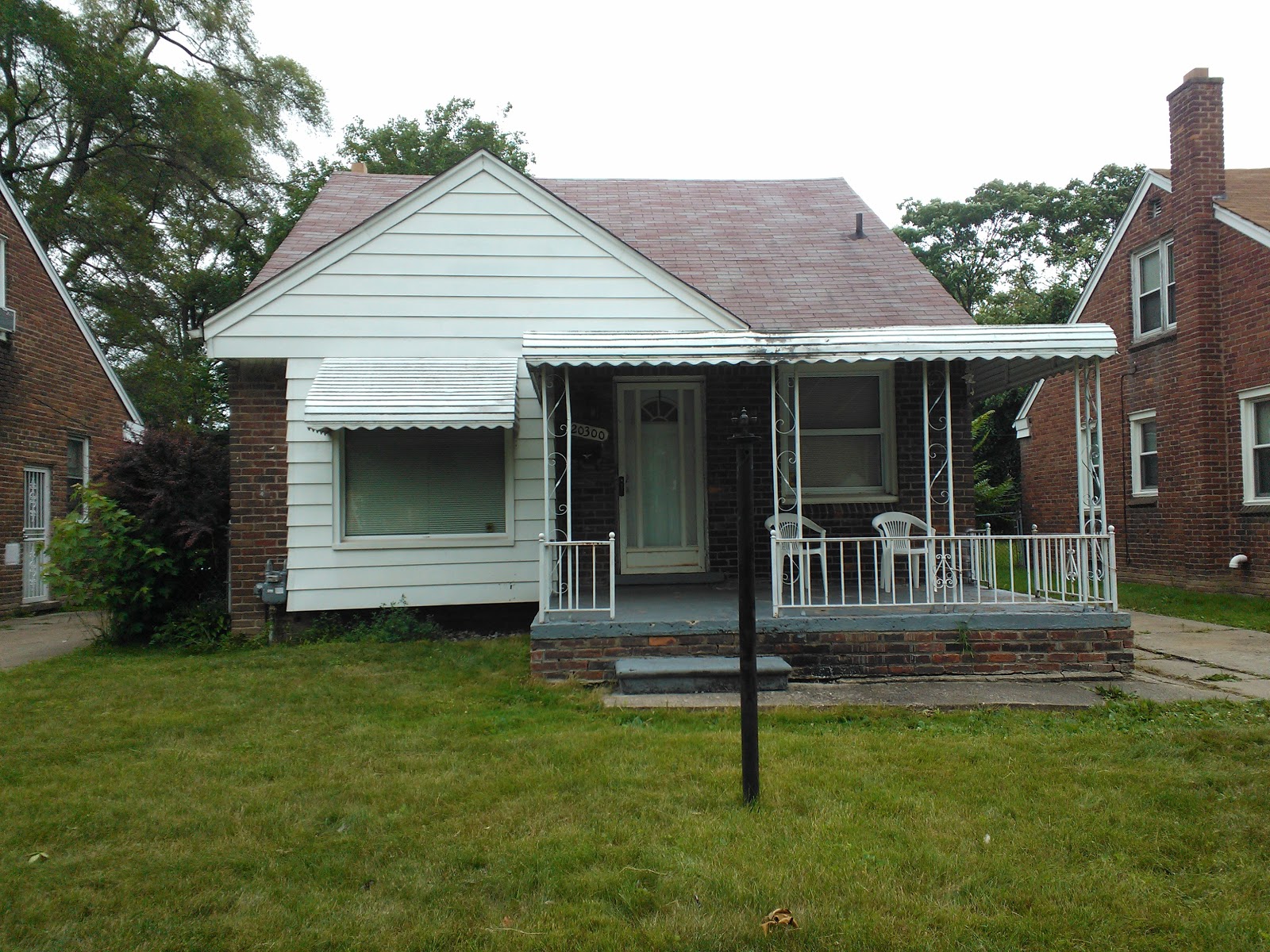
The house I lived in on Gilchrist Street

When I was growing up in Detroit I lived on Gilchrist Street, 5 houses away from David Palmer, the original drummer for the Amboy Dukes. When the Amboy Dukes were rehearsing in Dave’s garage, all us neighbourhood kids would gather at the end of the driveway and listen, but we’d catch hell if we took one step onto the property. As a teenager I saw the Amboy Dukes dozens of times in large and small venues and, consequently, have followed the career of Ted Nugent ever since, culminating in his crazy, racist rant earlier this week.

Where to begin? Let’s start with the Vietnam War. Nugent, who is a long-time board member of the NRA, and brandishes weapons on stage, was a self-admitted Draft Dodger.

I got my physical notice 30 days prior to. Well, on that day I ceased cleansing my body. No more brushing my teeth, no more washing my hair, no baths, no soap, no water. Thirty days of debris build. I stopped shavin’ and I was 18, had a little scraggly beard, really looked like a hippie. I had long hair, and it started gettin’ kinky, matted up. Then two weeks before, I stopped eating any food with nutritional value. I just had chips, Pepsi, beer-stuff I never touched-buttered poop, little jars of Polish sausages, and I’d drink the syrup, I was this side of death, Then a week before, I stopped going to the bathroom. I did it in my pants. poop, piss the whole shot. My pants got crusted up.

Nice imagery.

Nugent, the coward, also claimed to have snorted crystal meth just before his physical. However, that’s all old news. More recently Nugent had to explain himself to the Secret Service for remarks he made earlier this year:

Because I’ll tell you this right now: if Barack Obama becomes the president in November, again, I will either be dead or in jail by this time next year. Being at the NRA event, God Bless ya, good indicator, but if you can’t go home and get everybody in your lives to clean house of this vile, evil America Hating Administration, I don’t even know what you’re made out of.

This column could be filled with just the incendiary comments he’s made, like when he called President Obama a punk and suggested he suck on the machine gun he was brandishing on stage. However, I’d much rather deal with the comments he made this week to Brett M. Decker of The Washington Times.

Decker: You and I are Motown soul brothers, as you’ve put it before. When outsiders visit our hometown today, the reaction is always the same: This place looks like some post-apocalyptical disaster area. Once one of America’s richest, most dynamic business centers, how did the Motor City fall so far and what lessons can be learned from the demise of Detroit?

Nugent: It is so very true that my birth city of Detroit was the cleanest, most neighborly, positive-energy, work-ethic epicenter of planet earth when I was born there in 1948, right on through to the 1960s. Enter the liberal death wish of Mayor Coleman Young and a tsunami of negative, anti-productivity policies by liberal Democrats that put a voodoo curse on our beloved Motor City. When you train and reward people to scam, cheat and refuse to be productive, there is only one direction that society can go: straight down the toilet. It is truly a heartbreaker. Some wonderful people are still to be found back home, but they are outnumbered by the pimps, whores and welfare brats that have made bloodsucking a lifestyle. And now we have a president who is doing everything he can to take the whole country down that same path. Truly amazing.

This is wrong on so many levels. Let’s count the ways, shall we? To begin with Coleman Young didn’t become mayor until 1974, well after the ’60s ended. What sent Detroit “straight down the toilet” was racism, pure and simple.
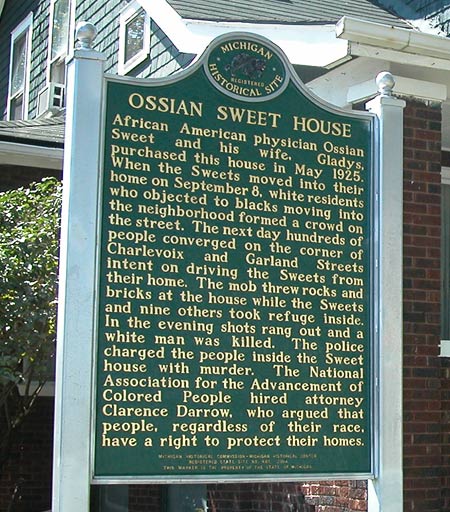
At a time when Detroit could have become a model for integration, it was already going the other way and becoming one of the most segregated cities in the United States. As far back as the 1920s respectable people like Dr. Ossian Sweet found that Whites were not going to share their neighbourhoods with Black folk.

The racial strife only became worse during World War Two. Blacks from the south were recruited to help in the factories of the Arsenal of Democracy, as Detroit was called at the time. In 1943 Packard promoted 3 Black men to work the line and 25,000 Whites went out on strike.  During the strike one voice was heard on the loudspeaker to say, “I’d rather see Hitler and Hirohito win than work next to a Nigger.” This was just 3 weeks before the Detroit Race Riot of 1943.

After the war ended and throughout the ’50s, when both Blacks and Whites had enough money to buy houses, Whites could purchase anywhere they wanted, but Blacks could not. Properties were “redlined,” in the vernacular of the day, and Blacks could only buy in certain neighbourhoods, if they could get bank loans at all. Meanwhile, White folk started to buy and build in the suburbs beyond 8 Mile Road. White Flight had already begun in the 1950s, but it truly sped up after the Detroit Riot of 1967. Had the White folk stayed in the city, things would have been much different.

I’m not going to mince words: I find Ted Nugent’s comments racist. The Detroit he remembers was “the cleanest, most neighborly, positive-energy, work-ethic epicenter.” This was the White Detroit of Nugent’s halcyon memories. The neighbourhood Nugent grew up in, and the neighbourhood I grew up in, were all-White. Black Detroit? For Nugent that’s the Detroit of the “liberal death wish” of Coleman Young, the Black mayor, who put a “voodoo curse” — a Black curse — on his beloved Detroit. “Pimps, whores and welfare brats” are all Nugent’s impression of Black Detroit as well. No one describes White folk that way.

Detroit gets knocked by a lot of people, but to hear Nugent ignore Detroit history to spout racist tripe is beyond the pale.

It’s hard to sum up a few hundred years of history in a short post. I’ve written far more extensively about Detroit’s Race Relations on my blog in an essay called The Detroit Riots ► Unpacking My Detroit. Please check it out and tell me what you think.

Originally published at Stones Detroit.

Is Ted Nugent A Racist? Our Stones Detroit Writer Says, “Yes”

OPINION by Headly Westerfield
When I was growing up in Detroit I lived on Gilchrist Street, 5
houses away David Palmer, the original drummer for the Amboy Dukes. When
the Amboy Dukes were rehearsing in Dave’s garage, all us neighbourhood
kids would gather at the end of the driveway and listen, but we’d catch
hell if we took one step onto the property. As a teenager I saw the
Amboy Dukes dozens of times in large and small venues and, consequently,
have followed the career of Ted Nugent ever since, culminating in his
crazy, racist rant earlier this week.
Where to begin? Let’s start with the Vietnam War. Nugent, who is a
long-time board member of the NRA, and brandishes weapons on stage, was a
self-admitted Draft Dodger.

I got my physical notice 30 days prior to. Well, on that
day I ceased cleansing my body. No more brushing my teeth, no more
washing my hair, no baths, no soap, no water. Thirty days of debris
build. I stopped shavin’ and I was 18, had a little scraggly beard,
really looked like a hippie. I had long hair, and it started gettin’
kinky, matted up. Then two weeks before, I stopped eating any food with
nutritional value. I just had chips, Pepsi, beer-stuff I never
touched-buttered poop, little jars of Polish sausages, and I’d drink the
syrup, I was this side of death, Then a week before, I stopped going to
the bathroom. I did it in my pants. poop, piss the whole shot. My pants
got crusted up.

Nice imagery. Nugent, the coward, also claimed to have snorted
crystal meth just before his physical. However, that’s all old news.
More recently Nugent had to explain himself to the Secret Service for remarks he made earlier this year:

Because I’ll tell you this right now: if Barack Obama
becomes the president in November, again, I will either be dead or in
jail by this time next year. Being at the NRA event, God Bless ya, good
indicator, but if you can’t go home and get everybody in your lives to
clean house of this vile, evil America Hating Administration, I don’t
even know what you’re made out of.

This column could be filled with just the incendiary comments he’s
made, like when he called President Obama a punk and suggested he suck on the machine gun he was brandishing on stage. However, I’d much rather deal with the comments he made this week to Brett M. Decker of The Washington Times.

Decker: You and I are Motown soul
brothers, as you’ve put it before. When outsiders visit our hometown
today, the reaction is always the same: This place looks like some
post-apocalyptical disaster area. Once one of America’s richest, most
dynamic business centers, how did the Motor City fall so far and what
lessons can be learned from the demise of Detroit?
Nugent: It is so very true that my birth city of
Detroit was the cleanest, most neighborly, positive-energy, work-ethic
epicenter of planet earth when I was born there in 1948, right on
through to the 1960s. Enter the liberal death wish of Mayor Coleman
Young and a tsunami of negative, anti-productivity policies by liberal
Democrats that put a voodoo curse on our beloved Motor City. When you
train and reward people to scam, cheat and refuse to be productive,
there is only one direction that society can go: straight down the
toilet. It is truly a heartbreaker. Some wonderful people are still to
be found back home, but they are outnumbered by the pimps, whores and
welfare brats that have made bloodsucking a lifestyle. And now we have a
president who is doing everything he can to take the whole country down
that same path. Truly amazing.

This is wrong on so many levels. Let’s count the ways, shall we? To
begin with Coleman Young didn’t become mayor until 1974, well after the
’60s ended. What sent Detroit “straight down the toilet” was racism,
pure and simple.
At a time when Detroit could have become a model for integration, it
was already going the other way and becoming one of the most segregated
cities in the United States. As far back as the 1920s respectable people
like Dr. Ossian Sweet found that Whites were not going to share their
neighbourhoods with Black folk. The racial strife only became worse
during World War Two. Blacks from the south were recruited to help in
the factories of the Arsenal of Democracy, as Detroit was called at the
time. In 1943 Packard promoted 3 Black men to work the line and 25,000
Whites went out on strike.  During the strike one voice was heard on the
loudspeaker to say, “I’d rather see Hitler and Hirohito win than work next to a Nigger.” This was just 3 weeks before the Detroit Race Riot of 1943.
After the war ended and throughout the ’50s, when both Blacks and
Whites had enough money to buy houses, Whites could purchase anywhere
they wanted, but Blacks could not. Properties were “redlined,” in the
vernacular of the day, and Blacks could only buy in certain
neighbourhoods, if they could get bank loans at all. Meanwhile, White
folk started to buy and build in the suburbs beyond 8 Mile Road. White
Flight had already begun in the 1950s, but it truly sped up after the
Detroit Riot of 1967. Had the White folk stayed in the city, things
would have been much different.
I’m not going to mince words: I find Ted Nugent’s comments racist.
The Detroit he remembers was “the cleanest, most neighborly,
positive-energy, work-ethic epicenter.” This was the White Detroit of
Nugent’s halcyon memories. The neighbourhood Nugent grew up in, and the
neighbourhood I grew up in, were all-White. Black Detroit? For Nugent
that’s the Detroit of the “liberal death wish” of Coleman Young, the
Black mayor, who put a “voodoo curse” — a Black curse — on his beloved
Detroit. “Pimps, whores and welfare brats” are all Nugent’s impression
of Black Detroit as well. No one describes White folk that way.
Detroit gets knocked by a lot of people, but to hear Nugent ignore Detroit history to spout racist tripe is beyond the pale.

It’s hard to sum up a few hundred years of history in a short post.
I’ve written far more extensively about Detroit’s Race Relations on my blog in an essay called The Detroit Riots ► Unpacking My Detroit. Please check it out and tell me what you think.

– See more at:
http://stonesdetroit.com/is-ted-nugent-a-racist-our-stones-detroit-writer-says-yes/#sthash.JbhxdXZB.Tx3mALHp.dpuf
Is Ted Nugent A Racist? Our Stones Detroit Writer Says, “Yes”

OPINION by Headly Westerfield
When I was growing up in Detroit I lived on Gilchrist Street, 5
houses away David Palmer, the original drummer for the Amboy Dukes. When
the Amboy Dukes were rehearsing in Dave’s garage, all us neighbourhood
kids would gather at the end of the driveway and listen, but we’d catch
hell if we took one step onto the property. As a teenager I saw the
Amboy Dukes dozens of times in large and small venues and, consequently,
have followed the career of Ted Nugent ever since, culminating in his
crazy, racist rant earlier this week.
Where to begin? Let’s start with the Vietnam War. Nugent, who is a
long-time board member of the NRA, and brandishes weapons on stage, was a
self-admitted Draft Dodger.

I got my physical notice 30 days prior to. Well, on that
day I ceased cleansing my body. No more brushing my teeth, no more
washing my hair, no baths, no soap, no water. Thirty days of debris
build. I stopped shavin’ and I was 18, had a little scraggly beard,
really looked like a hippie. I had long hair, and it started gettin’
kinky, matted up. Then two weeks before, I stopped eating any food with
nutritional value. I just had chips, Pepsi, beer-stuff I never
touched-buttered poop, little jars of Polish sausages, and I’d drink the
syrup, I was this side of death, Then a week before, I stopped going to
the bathroom. I did it in my pants. poop, piss the whole shot. My pants
got crusted up.

Nice imagery. Nugent, the coward, also claimed to have snorted
crystal meth just before his physical. However, that’s all old news.
More recently Nugent had to explain himself to the Secret Service for remarks he made earlier this year:

Because I’ll tell you this right now: if Barack Obama
becomes the president in November, again, I will either be dead or in
jail by this time next year. Being at the NRA event, God Bless ya, good
indicator, but if you can’t go home and get everybody in your lives to
clean house of this vile, evil America Hating Administration, I don’t
even know what you’re made out of.

This column could be filled with just the incendiary comments he’s
made, like when he called President Obama a punk and suggested he suck on the machine gun he was brandishing on stage. However, I’d much rather deal with the comments he made this week to Brett M. Decker of The Washington Times.

Decker: You and I are Motown soul
brothers, as you’ve put it before. When outsiders visit our hometown
today, the reaction is always the same: This place looks like some
post-apocalyptical disaster area. Once one of America’s richest, most
dynamic business centers, how did the Motor City fall so far and what
lessons can be learned from the demise of Detroit?
Nugent: It is so very true that my birth city of
Detroit was the cleanest, most neighborly, positive-energy, work-ethic
epicenter of planet earth when I was born there in 1948, right on
through to the 1960s. Enter the liberal death wish of Mayor Coleman
Young and a tsunami of negative, anti-productivity policies by liberal
Democrats that put a voodoo curse on our beloved Motor City. When you
train and reward people to scam, cheat and refuse to be productive,
there is only one direction that society can go: straight down the
toilet. It is truly a heartbreaker. Some wonderful people are still to
be found back home, but they are outnumbered by the pimps, whores and
welfare brats that have made bloodsucking a lifestyle. And now we have a
president who is doing everything he can to take the whole country down
that same path. Truly amazing.

This is wrong on so many levels. Let’s count the ways, shall we? To
begin with Coleman Young didn’t become mayor until 1974, well after the
’60s ended. What sent Detroit “straight down the toilet” was racism,
pure and simple.
At a time when Detroit could have become a model for integration, it
was already going the other way and becoming one of the most segregated
cities in the United States. As far back as the 1920s respectable people
like Dr. Ossian Sweet found that Whites were not going to share their
neighbourhoods with Black folk. The racial strife only became worse
during World War Two. Blacks from the south were recruited to help in
the factories of the Arsenal of Democracy, as Detroit was called at the
time. In 1943 Packard promoted 3 Black men to work the line and 25,000
Whites went out on strike.  During the strike one voice was heard on the
loudspeaker to say, “I’d rather see Hitler and Hirohito win than work next to a Nigger.” This was just 3 weeks before the Detroit Race Riot of 1943.
After the war ended and throughout the ’50s, when both Blacks and
Whites had enough money to buy houses, Whites could purchase anywhere
they wanted, but Blacks could not. Properties were “redlined,” in the
vernacular of the day, and Blacks could only buy in certain
neighbourhoods, if they could get bank loans at all. Meanwhile, White
folk started to buy and build in the suburbs beyond 8 Mile Road. White
Flight had already begun in the 1950s, but it truly sped up after the
Detroit Riot of 1967. Had the White folk stayed in the city, things
would have been much different.
I’m not going to mince words: I find Ted Nugent’s comments racist.
The Detroit he remembers was “the cleanest, most neighborly,
positive-energy, work-ethic epicenter.” This was the White Detroit of
Nugent’s halcyon memories. The neighbourhood Nugent grew up in, and the
neighbourhood I grew up in, were all-White. Black Detroit? For Nugent
that’s the Detroit of the “liberal death wish” of Coleman Young, the
Black mayor, who put a “voodoo curse” — a Black curse — on his beloved
Detroit. “Pimps, whores and welfare brats” are all Nugent’s impression
of Black Detroit as well. No one describes White folk that way.
Detroit gets knocked by a lot of people, but to hear Nugent ignore Detroit history to spout racist tripe is beyond the pale.

It’s hard to sum up a few hundred years of history in a short post.
I’ve written far more extensively about Detroit’s Race Relations on my blog in an essay called The Detroit Riots ► Unpacking My Detroit. Please check it out and tell me what you think.

– See more at:
http://stonesdetroit.com/is-ted-nugent-a-racist-our-stones-detroit-writer-says-yes/#sthash.JbhxdXZB.Tx3mALHp.dpuf
Accidentally On Purpose ► Throwback Thursday

I’m not going back all that far for today’s Throwback Thursday, just to the end of October. The 21st, to be exact, which is the day I had the accident in the Buick. 

Sometimes when looking back on an event, one can see all the incremental steps that led to it. However, that’s only in retrospect. That’s the Butterfly Effect for you. Nothing really happens in isolation.

Little could I have realized on the 21st of October that the accident would change everything for me. There was no way I could know how that falling domino would impact the one next to it, and the one next to that. Slowly, but surely, each domino fell against the next until I was faced with the inexorable decision to move the Not Now Silly Newsroom to Toronto, Canada, something I would have never contemplated on the night of the accident.

Have a Happy Throwback Thursday and DON’T FORGET to contribute to my Go Fund Me account for getting back home.

Kicking 2015 to the Curb ► The Ultimate Throwback Thursday

As we all look forward to a New Year, some highlights before all the sand runs out of this one:

THE JOHNNY DOLLAR WARS

Maybe I was just asking for trouble, but I began 2015 by . . .

While I thought these crazy cyber-bullies were finally vanquished, just recently “Angie Simmoril” — who hides behind a wall of complete anonymity — popped up again to promise big doings on the Aurelius Project for the beginning of 2016. While I had almost forgotten The Flying Monkey Squad existed, this is simply more proof that an obsessed crazy person never really goes away — unless they die, which is really what I thought had happened with Grayhammy.

Watch this space.

COCONUT GROVE PLAYHOUSE & PARKING LOTS

I wrote so many stories about Coconut Grove this year, but most of them were about the Coconut Grove Playhouse and its surrounding parking lots. That meant I spent a lot of time in parking lots this year, and the year before, while I did research in the field, as it were:

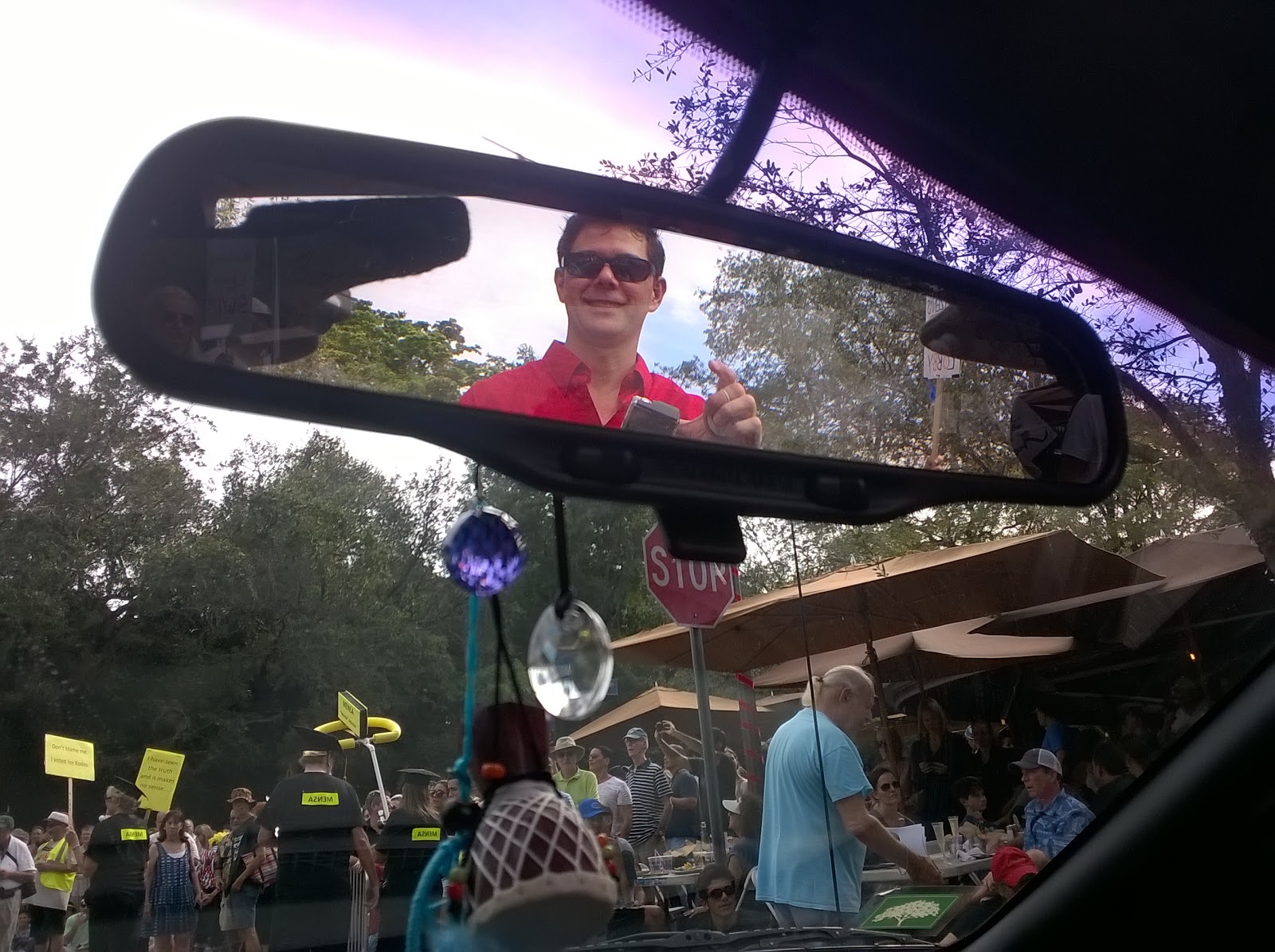
When I agreed to drive a car at this year’s King Mango Strut, little
did I know it would be the one with Ken Russell doing yo-yo tricks

MIAMI DISTRICT 2 POLITICS

My campaign to SAVE THE E.W.F. STIRRUP HOUSE not only led to all those stories on the Coconut Grove Playhouse — which is catercorner to it — but also got me deeper then ever into District 2 politics. That led to a series of stories about [allegedly] corrupt Miami Commissioner Marc D. Sarnoff, which naturally led to that time When Miami Commissioner Marc D. Sarnoff Lied To My Face.

When the term-limited Sarnoff put up his wife Teresa to run in his place for District 2 Commissioner, I started following the election closely. My first foray in covering the candidates didn’t go so well. Jammed For Time tells the story of getting thrown out of the Grace Solaris campaign kickoff. That didn’t auger well for the rest of the Commissioner race. As far as I knew the rest of the field would treat me similarly. Luckily, none of them did. All were gracious about answering questions and posing for pictures. That provided a number of stories, the best of which are:

Interview With District 2’s Ken Russell

During the race several of the candidates agreed to talk to me, allowed me to accompany them on door knocks, let me sit in on private meetings and phone calls, and gave me some very interesting inside skinny on the donation process. All of this was done on an OFF THE RECORD basis, to be embargoed until after the election. I’m still processing my notes and recordings to see what kind of story I can get out of it.
To be continued.

PRESIDENTIAL POLITICS

As much of a political junkie as I am, I’ve been mainlining what’s been going on in the presidential race. While I’ve not written specifically about Donald J. Trump, I have created a number of memes currently whizzing around the innertubes. Collect ’em all. Trade ’em with your friends.

However, I have covered the joke that is some of the rest of the current GOP field, and some previous races:

PASTORAL LETTERS

Late last year I reconnected with my childhood friend Kenneth John Wilson. Ken, who is an evangelical pastor in Ann Arbor, Michigan, has written a very important book on LGBT acceptance in the church. I started following his extraordinary story and began a series of Pastoral Letters to him. Occasionally he replies, but I am writing then more to understand my mind than his.

I’ve started another Pastoral Letter, but it will be a while before I get all my thoughts in order.

FALSETTO VOICE:

I began my research into Coconut Grove years ago at the E.W.F. Stirrup House. While there’s not been that much to write about on that issue over the last year — because almost nothing has changed — that doesn’t mean I’ve forgotten all about Gino Falsetto, the rapacious developer who got his grimy hands on the historic structure:

I’m also prepping a new story on the E.W.F. Stirrup House.  It’s almost half written. Stay tuned. Watch this space. Coming to a browser near you.

This year I also bonded with Fox’s Campaign Carl Cameron

THE FOX “NEWS” CHANNEL

My fascination/revulsion with the Fox “News” Channel continues, which is how I picked up Johnny Dollar as an enemy in the first place. No matter. For the last year I’ve written a Friday Fox Follies for PoliticusUSA website, continued to run Fox Follies and Fallacies, over at the facebookery. However . . .

. . . sums up my attitude whenever I encounter a Fox “News” spouting parrot.

ROAD TRIPS:

This year I took 2 marathon road trips, both more than 3,000 miles from door to door. These are just some of the posts these road trips generated:

TWO NEW SERIES:

Before the road trips I stopped aggregating the Headlines Du Jour. It took several hours 3 days a week and it was a trap, without any achival value. When I got back from the road trips I began two brand new series. Launching Throwback Thursday with The Westerfield Journals was one and Monday Musical Appreciation the other. I’m quite proud of both of these series. In both these series I am highlight some of the lesser-known history-makers.

NAME DROPPING

One of the things I’ve been accused of over the years is name-dropping. I plead guilty and throw myself on the mercy of the internet. What’s the penalty? Izzit just a fine or jail time?

No matter. Exhibit A and B as evidence against me this year:

Those are just some of the highlights from the last year. No one knows what 2016 will hold for the Not Now Silly Newsroom, but I’ll be writing it from Toronto. More specifically, Kensington Market. It felt so good in September, I’m going to do it all over again. To that end, I’ve launched a Go Fund Me to help defray my moving expenses. It’s amazing how much stuff I’ve accumulated in the last decade. Help me get back to Toronto:


The Birthday of the Ku Klux Klan ► Throwback Thursday

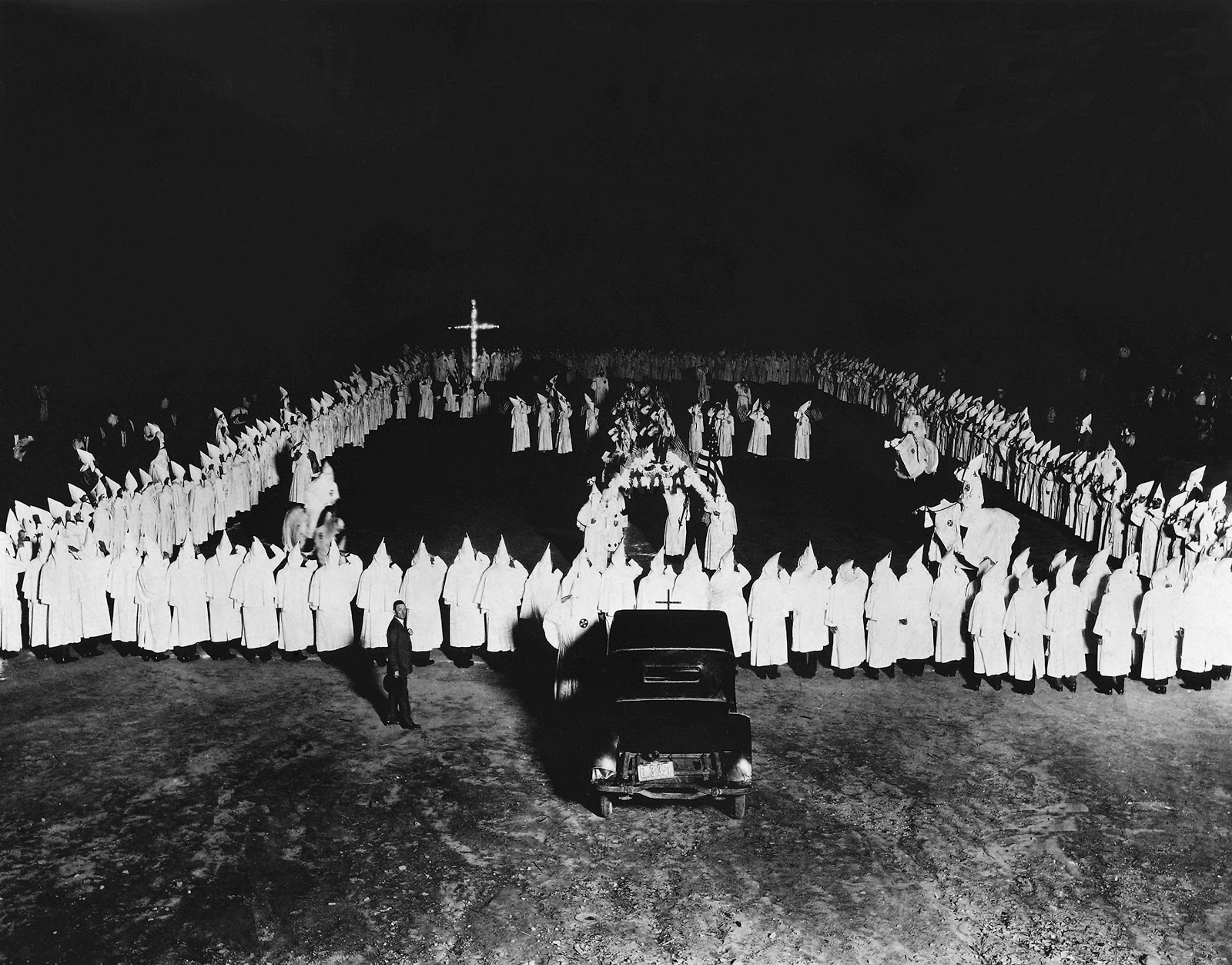
As the south grapples with removing the names of Confederate traitors from buildings and monuments, it’s a good time to remember the Ku Klux Klan was formed exactly 150 years ago today.

Wait. That’s a not entirely true. It’s more accurate to say the first iteration of the Ku Klux Klan was formed on this date in 1865. There were two others.

Three, if you count what’s been going on in this election cycle.

“I’m so glad we’re living in a post-racial society” is something I say frequently on Facebook and Twitter. I am always being sarcastic because I’ve never thought racism was eradicated. Ten years ago, when I first moved back to the States, I had people come up to me and say the most racist things, thinking we belonged to the same White skin club. And, this was before that Muslim Obama (/sarcasm) smoked out all the current racists.

According to History.com:

The organization of the Ku Klux Klan coincided with the beginning of the second phase of post-Civil War Reconstruction,
put into place by the more radical members of the Republican Party in
Congress. After rejecting President Andrew Johnson’s relatively lenient
Reconstruction policies, in place from 1865 to 1866, Congress passed the
Reconstruction Act over the presidential veto. Under its provisions,
the South was divided into five military districts, and each state was
required to approve the 14th Amendment, which granted “equal protection”
of the Constitution to former slaves and enacted universal male
suffrage.

From 1867 onward, African-American participation in public life in
the South became one of the most radical aspects of Reconstruction, as
blacks won election to southern state governments and even to the U.S.
Congress. For its part, the Ku Klux Klan dedicated itself to an
underground campaign of violence against Republican leaders and voters
(both black and white) in an effort to reverse the policies of Radical
Reconstruction and restore white supremacy in the South. They were
joined in this struggle by similar organizations such as the Knights of
the White Camelia (launched in Louisiana
in 1867) and the White Brotherhood. At least 10 percent of the black
legislators elected during the 1867-1868 constitutional conventions
became of violence during Reconstruction, including seven who
were killed. White Republicans (derided as “carpetbaggers” and
“scalawags”) and black institutions such as schools and churches—symbols
of black autonomy—were also targets for Klan attacks.

By 1870, the Ku Klux Klan had branches in nearly every southern
state. Even at its height, the Klan did not boast a well-organized
structure or clear leadership. Local Klan members–often wearing masks
and dressed in the organization’s signature long white robes and
hoods–usually carried out their attacks at night, acting on their own
but in support of the common goals of defeating Radical Reconstruction
and restoring white supremacy in the South. Klan activity flourished
particularly in the regions of the South where blacks were a minority or
a small majority of the population, and was relatively limited in
others. Among the most notorious zones of Klan activity was South Carolina, where in January 1871 500 masked men attacked the Union county jail and lynched eight black prisoners.

*

The Ku Klux Klan was eventually broken up by the Federal government, which passed the Enforcement Act of 1871 (aka the Civil Rights Act or the Ku Klux Klan Act). Then it took measures to arrest and convict the terrorists attacking Black folk in the south.

Then came the sequel. From the WikiWackyWoo:

Refounding in 1915

In 1915 the film The Birth of a Nation was released, mythologising and glorifying the first Klan and its endeavors. The second Ku Klux Klan was founded in 1915 by William Joseph Simmons at Stone Mountain, outside Atlanta, with fifteen “charter members”.[86] Its growth was based on a new anti-immigrant, anti-Catholic, prohibitionist
and anti-semitic agenda, which reflected contemporary social tensions,
particularly immigration and industrialization. The new organization and
chapters adopted regalia featured in The Birth of a Nation.

The Birth of a Nation

Director D. W. Griffith‘s The Birth of a Nation glorified the original Klan. His film was based on the book and play The Clansman and the book The Leopard’s Spots, both by Thomas Dixon, Jr.

Much of the modern Klan’s iconography, including the standardized
white costume and the lighted cross, are derived from the film. Its
imagery was based on Dixon’s romanticized concept of old England and
Scotland, as portrayed in the novels and poetry of Sir Walter Scott. The film’s influence was enhanced by a purported endorsement by U.S. President Woodrow Wilson,
a Southerner. A Hollywood press agent claimed that after seeing the
film Wilson said, “It is like writing history with lightning, and my
only regret is that it is all so terribly true.” Historians doubt he
said it.[87]
Wilson felt betrayed by Dixon, who had been a classmate. Wilson’s staff
issued a denial, saying he was entirely unaware of the nature of the
play before it was presented and at no time has expressed his
approbation of it.”[88]

The new Klan was inaugurated in 1915 by William Joseph Simmons on top of Stone Mountain.
It was a small local organization until 1921. Simmons said he had been
inspired by the original Klan’s Prescripts, written in 1867 by
Confederate veteran George Gordon, but they were never adopted by the first Klan.[89]

The third Klan is generally accepted to be that time after World War II, through the Civil Rights Era of the ’60s.

Today there has been a reemergence Ku Klux Klan. The Klan’s former leader came out in support of Donald Trump, whose racist and xenophobic rants have energized the White Power Movement.

Everything old is new again.

Mighty Mouse ► Throwback Thursday

On this day in 1955 Mighty Mouse Playhouse is first broadcast on tee vee.

Mighty Mouse originally appeared 1942 as cartoon shorts in movie theaters. According to the WikiWackyWoo: 

The character was originally conceived by Paul Terry.[1] Created as a parody of Superman, he first appeared in 1942 in a theatrical animated short titled The Mouse of Tomorrow. His original name was Super Mouse, but after seven films produced with that name from 1942-1943, it was changed to Mighty Mouse for 1944’s The Wreck of the Hesperus, after Paul Terry learned that another character named “Super Mouse” was to be published by Marvel Comics.

Sing along with me:

Mister Trouble never hangs around

When he hears this Mighty sound.

“Here I come to save the day”

That means that Mighty Mouse is on his way.

Yes sir, when there is a wrong to right

Mighty Mouse will join the fight.

On the sea or on the land,

He gets the situation well in hand.


In one of his first appearances on Saturday Night Live,
Andy Kaufman does the Mickey Mouse theme song.

Mighty Mouse moved from movie theaters to television in 1955, where the cartoons lived on for decades, inculcating generations of children with the theme song. Again, according to the WikiWackyWoo: 

Mighty Mouse was not extraordinarily popular in theatrical cartoons, but was still Terrytoons
most popular character. What made him a cultural icon was television.
Most of the short film studios, both live-action and animated, were in
decline by the 1950s, pressured both by the loss of film audiences to
television as well as the increased popularity (and financial benefits)
of low-budget, stylized, limited animation.
Most of the studios cashed out of the short-film production business
and began licensing or selling their back catalogs to television. Paul Terry went as far as to sell the entire Terrytoon company to CBS in 1955.[1] The network began running Mighty Mouse Playhouse in December 1955. It remained on the air for nearly twelve years (and featured The Mighty Heroes
during the final season). Mighty Mouse cartoons became a staple of
children’s television programming for a period of over thirty years,
from the 1950s through the 1980s.

Just pretend it’s Saturday morning and you are a kid again. Here’s some Mighty Mouse for you to enjoy:


The Beatles Meet Brian Epstein ► Throwback Thursday

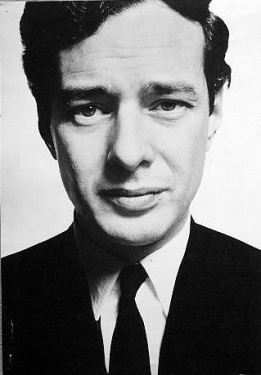
On this day in 1961 The Beatles meet with Brian Epstein to discuss whether he would manage them. And, nothing was ever the same again.

According to This Day In Music:

Brian Epstein invited The Beatles into his office to discuss the possibility of becoming their manager. John Lennon, George Harrison and Pete Best arrived late for the 4pm meeting, (they had been drinking at the Grapes pub in Matthew Street), but Paul McCartney was not with them, because, as Harrison explained, he had just got up and was “taking a bath”.

McCartney, bathed and dressed, eventually showed up and The Beatles decided to let Epstein become their manager. Over the next few years he helped take them to the “toppermost of the poppermost” as the most successful boy band of all time.

As the WikiWackyWoo tells us:

Epstein first discovered the Beatles in November 1961 during a lunchtime Cavern Club performance. He was instantly impressed and saw great potential in the group.[1] Epstein was rejected by nearly all major recording companies in London, then he secured a meeting with George Martin, head of EMI‘s Parlophone
label. In May 1962, Martin agreed to sign the Beatles, partly because
of Epstein’s conviction that the group would become internationally
famous.[2]

The Beatles’ early success has been attributed to Epstein’s
management style, and the band trusted him without hesitation. In
addition to handling the Beatles’ business affairs, Epstein often
stepped in to mediate personal disputes within the group. The Beatles’
unquestioning loyalty to Epstein later proved detrimental, as the band
rarely read contracts before signing them.[3] Shortly after the song “Please Please Me” rose to the top of the charts in 1963, Epstein advised the creation of Northern Songs, a publishing company that would control the copyrights of all Lennon–McCartney compositions recorded between 1963 and 1973. Music publisher Dick James and his partner Charles Silver owned 51-percent of the company, Lennon and McCartney each owned 20%, and Epstein owned 9%.[4] By 1969, Lennon and McCartney had lost control of all publishing rights to ATV Music Publishing.
Still, Epstein’s death in 1967 marked the beginning of the group’s
dissolution and had a profound effect on each individual Beatle. In
1997, Paul McCartney said, “If anyone was the Fifth Beatle, it was Brian.”[5]

That’s not all that happened to The Beatles on this day. Today in Beatles History gives us the full lowdown:

1938: Marriage of Alfred Lennon and Julia Stanley. After the ceremony, they go to the movies and then to their respective houses.

1963: Concert at the Guild Hall, Portsmouth (‘The Beatles Autumn Tour’) (postponed 12 November).

1964: Brian flies from Los Angeles to London.
1964: Appearance on BBC-TV’s ‘Top Of the Pops’.

1965: Start of UK tour, with the Moody Blues and The Kobbas & Beryl Mardsen. Concert at the Odeon Cinema, Glasgow.
1965: UK single release: ‘We Can Work It Out’/’Day Tripper’. First single officially released as double A side.
1965: UK LP release: ‘Rubber Soul’.

1966: ‘Yesterday’… And Today’, 24th week in the Top 200 (Billboard).

1971: UK LP release: ‘Fly’.

1977: Start of ‘London Town’ LP sessions at AIR London Studios.

1980: John and Yoko’s apartment, Dakota Building. Photographic session of John and Yoko, with Annie Leibovitz.

1988: 10th episode of a BBC series, essentially based on ‘The Beatles At The Beeb’ collection.

1993: Paul’s concert at the Pacaembu Stadium, Sao Paulo, Brazil (‘The New World Tour’).

The Gettysburg Address ► Throwback Thursday

On this day in 1863 President Abraham Lincoln delivered the Gettysburg Address, considered one of the greatest speeches ever given in English.

A mere 271 words, the Gettysburg Address followed the dedication of the Soldiers’ National Cemetery by Edward Everett. That speech must have exhausted the crowd. It lasted more than 2 hours and contained more than 13,600 words.

Lincoln’s short speech lasted only a few minutes, but has gone down in history as one of the greatest of his career.

As the WikiWackyWoo explains, Lincoln was under the weather at the time:

During the train trip from Washington, D.C., to Gettysburg on November 18, Lincoln remarked to John Hay that he felt weak. On the morning of November 19, Lincoln mentioned to John Nicolay
that he was dizzy. In the railroad car the President rode with his
secretary, John G. Nicolay, his assistant secretary, John Hay, the three
members of his Cabinet who accompanied him, William Seward, John Usher and Montgomery Blair,
several foreign officials and others. Hay noted that during the speech
Lincoln’s face had ‘a ghastly color’ and that he was ‘sad, mournful,
almost haggard.’ After the speech, when Lincoln boarded the 6:30 pm
train for Washington, D.C., he was feverish and weak, with a severe
headache. A protracted illness followed, which included a vesicular rash
and was diagnosed as a mild case of smallpox. It thus seems highly likely that Lincoln was in the prodromal period of smallpox when he delivered the Gettysburg address.[10]

The Hay version of the speech

Yet, there’s no agreed upon text of the speech:

Despite the historical significance of Lincoln’s speech, modern
scholars disagree as to its exact wording, and contemporary
transcriptions published in newspaper accounts of the event and even
handwritten copies by Lincoln himself differ in their wording,
punctuation, and structure.[16][17]
Of these versions, the Bliss version, written well after the speech as a
favor for a friend, is viewed by many as the standard text.[18]
Its text differs, however, from the written versions prepared by
Lincoln before and after his speech. It is the only version to which
Lincoln affixed his signature, and the last he is known to have written.[18]

Here is the text that every grade school child memorized:

Four score and seven years ago our fathers brought forth on this
continent a new nation, conceived in liberty, and dedicated to the
proposition that all men are created equal.

Now we are engaged in a great civil war, testing whether that nation,
or any nation so conceived and so dedicated, can long endure. We are
met on a great battlefield of that war. We have come to dedicate a
portion of that field, as a final resting place for those who here gave
their lives that that nation might live. It is altogether fitting and
proper that we should do this.

But, in a larger sense, we can not dedicate, we can not consecrate,
we can not hallow this ground. The brave men, living and dead, who
struggled here, have consecrated it, far above our poor power to add or
detract. The world will little note, nor long remember what we say here,
but it can never forget what they did here. It is for us the living,
rather, to be dedicated here to the unfinished work which they who
fought here have thus far so nobly advanced. It is rather for us to be
here dedicated to the great task remaining before us—that from these
honored dead we take increased devotion to that cause for which they
gave the last full measure of devotion—that we here highly resolve that
these dead shall not have died in vain—that this nation, under God,
shall have a new birth of freedom—and that government of the people, by
the people, for the people, shall not perish from the earth.

The Expoding Whale ► Throwback Thursday

It hardly seems like 45 years ago, but November 12, 1970 was a whale of a day.

It happens all the time: a dead whale washes up on shore, threatening to stink up the joint unless something is done. But what?

When a a sperm whale washed up on the beach at Florence, Oregon, the authorities sprung into action. As the WikiWackyWoo explains, they left it up to rank amateurs:

All Oregon beaches are under the jurisdiction of the Oregon Parks and Recreation Department,[3]
but in 1970, Oregon beaches were technically classified as state
highways, so responsibility for disposing of the carcass fell upon the
Oregon Highway Division (now known as the Oregon Department of Transportation, or ODOT).[4] After consulting with officials from the United States Navy,
they decided that it would be best to remove the whale the same way as
they would remove a boulder. They thought burying the whale would be
ineffective as it would soon be uncovered, and believed dynamite would
disintegrate the whale into pieces small enough for scavengers to clear up.

Thus, half a ton of dynamite was applied to the carcass. The engineer
in charge of the operation, George Thornton, stated—on camera, in an
interview with Portland newsman Paul Linnman—that he wasn’t exactly sure
how much dynamite would be needed. (Thornton later explained that he
was chosen to remove the whale because the district engineer, Dale
Allen, had gone hunting).[5][6]

WATCH THE FUN:

As it happened, there was an expert on the scene, but no one listened:

Coincidentally, a military veteran from Springfield with explosives
training, Walter Umenhofer, was at the scene scoping a potential
manufacturing site for his employer.[1]
Umenhofer later told The Springfield News reporter Ben Raymond Lode
that he had warned Thornton that the amount of dynamite he was using was
very wrong—when he first heard that 20 cases were being used he was in
disbelief. He had known that 20 cases of dynamite was far too much
dynamite to be used. Instead of 20 cases they needed 20 sticks of
dynamite. Umenhofer said Thornton was not interested in the advice. In
an odd coincidence, Umenhofer’s brand-new Oldsmobile was flattened by a
chunk of falling blubber after the blast. He told Lode he had just
bought the Ninety-Eight Regency at Dunham Oldsmobile in Eugene, during
the “Get a Whale of a Deal” promotion.[1]

You can’t make this shit up, even tho’ some people accuse Wikipedia of doing so.

Meanwhile, exploding whales are not that uncommon. Watch:

Nat Turner Sentenced To Be Hanged ► Throwback Thursday

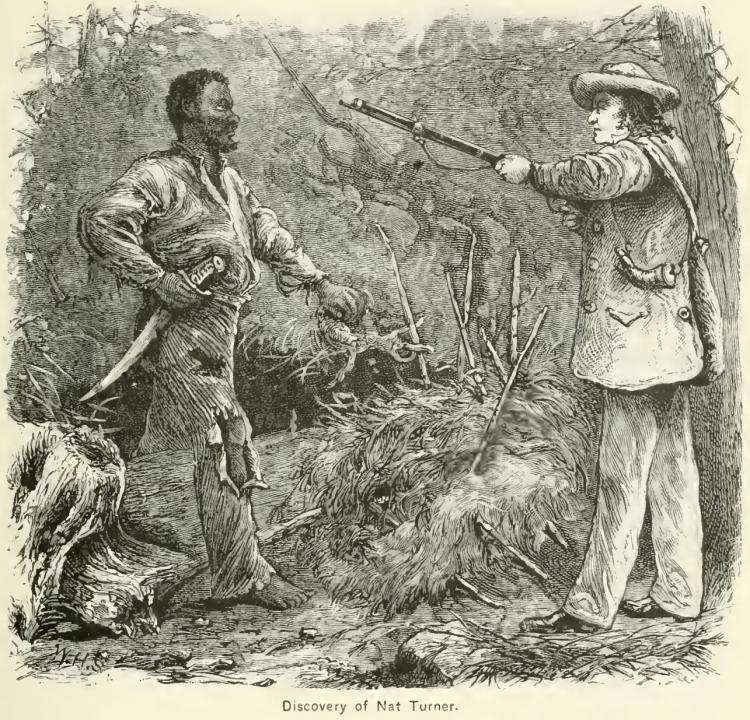
Benjamin Phipps, a local farmer, accidentally
discovers Nat Turner almost 2 months after the revolt

On this day in 1831, Nat Turner was tried, convicted, and sentenced to be hanged as leader of the slave revolt of two months earlier.

Turner believed his revolt was ordained by God. According to History:

He was born on the Virginia plantation of Benjamin Turner, who allowed him to be instructed in reading, writing, and religion. Sold three times in his childhood and hired out to John Travis (1820s), he became a fiery preacher and leader of African-American slaves on Benjamin Turner’s plantation and in his Southampton County neighbourhood, claiming that he was chosen by God to lead them from bondage.

Believing in signs and hearing divine voices, Turner was convinced by an eclipse of the Sun (1831) that the time to rise up had come, and he enlisted the help of four other slaves in the area. An insurrection was planned, aborted, and rescheduled for August 21,1831, when he and six other slaves killed the Travis family, managed to secure arms and horses, and enlisted about 75 other slaves in a disorganized insurrection that resulted in the murder of 51 white people.

Afterwards, Turner hid nearby successfully for six weeks until his discovery, conviction, and hanging at Jerusalem, Virginia, along with 16 of his followers. 

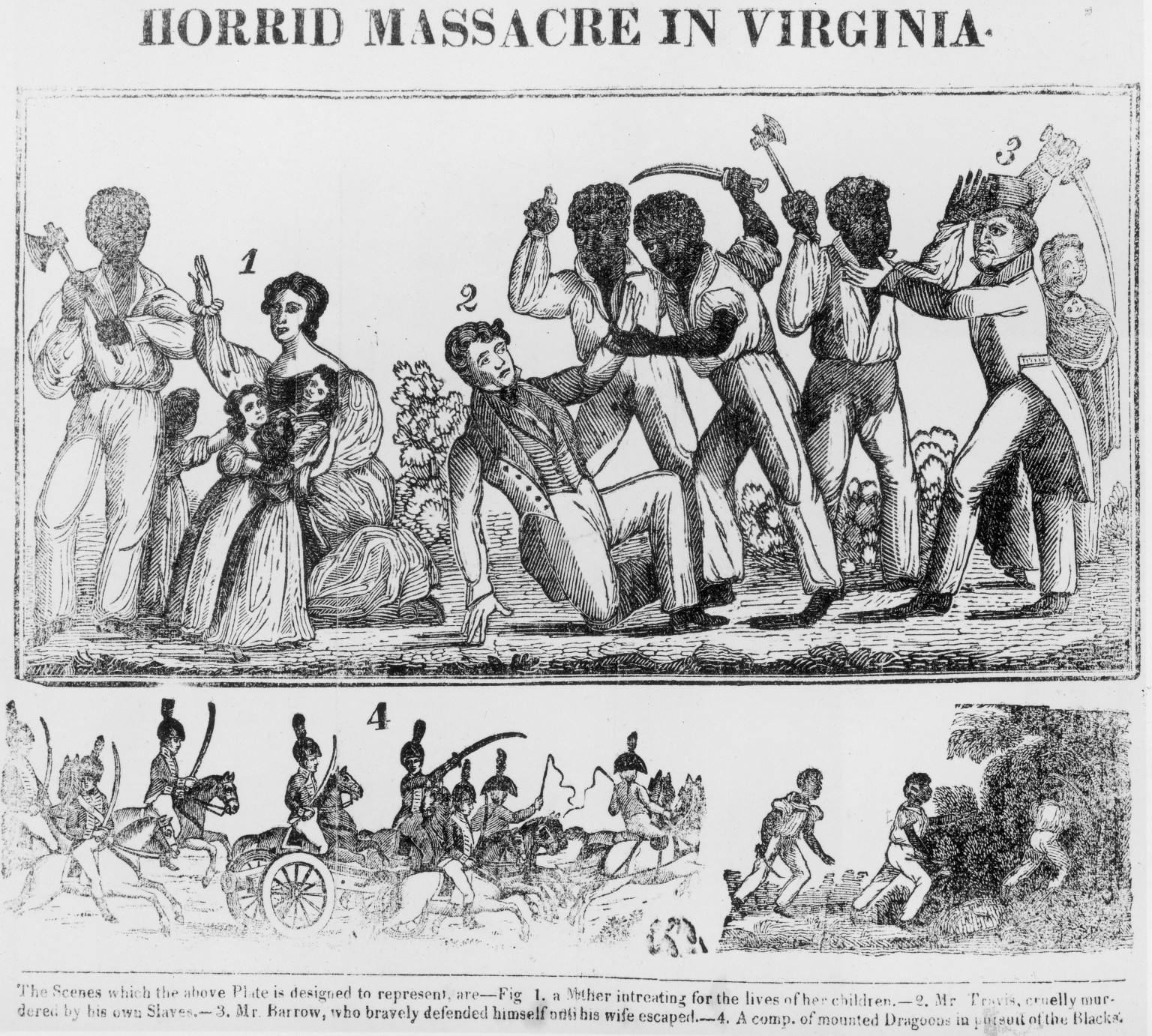
Racist cartoon depicting the revolt

If Nat Turner thought his revolt would lead to freedom for slaves, he was sadly mistaken. In fact, as the WikiWackyWoo tell us, it got worse for all Black folk, Free Black and slave alike.

In total, the state executed 56 blacks suspected of having been
involved in the uprising. But in the hysteria of aroused fears and anger
in the days after the revolt, white militias and mobs killed an
estimated 200 blacks, many of whom had nothing to do with the rebellion.[32]

[…]

The fear caused by Nat Turner’s insurrection and the concerns raised
in the emancipation debates that followed resulted in politicians and
writers responding by defining slavery as a “positive good”.[34] Such authors included Thomas Roderick Dew, a William and Mary College professor who published a pamphlet in 1832 opposing emancipation on economic and other grounds.[35]

Fears of uprisings polarized moderates and slave owners across the South. Municipalities across the region instituted repressive policies against
blacks. Rights were taken away from those who were free. The freedoms
of all black people in Virginia were tightly curtailed. Socially, the
uprising discouraged whites’ questioning the slave system from the
perspective that such discussion might encourage similar slave revolts. Manumissions
had decreased by 1810. The shift away from tobacco had made owning
slaves in the Upper South an excess to the planters’ needs, so they
started to hire out slaves. With the ending of the international slave
trade, the invention of the cotton gin, and opening up of new territories in the Deep South,
suddenly there was a growing market for the trading of slaves. Over the
next decades, more than a million slaves would be transported to the
Deep South in a forced migration as a result of the domestic slave
trade.

Nat Turner was hanged on November 11, 1831, just 6 days after he was tried, convicted, and sentenced.

Paving the Information Highway ► Throwback Thursday

According to the WikiWackyWoo: On this day in “1969 – The first-ever computer-to-computer link is established on ARPANET, the precursor to the Internet.

And, nothing was ever the same again.

APRANET stands for Advanced Research Projects Agency Network and we’re all monkeys typing on this network trying to recreate the works of Shakespeare, or something.

In the early ’60s, when computers filled entire rooms, it seemed like Science Fiction that one day they might be talking to one another. So much so that back in 1963, when J. C. R. Licklider started to theorize the ideas that eventually led to the innertubes, he referred to it as the Intergalactic Computer Network.

In October 1963, Licklider was appointed head of the Behavioral
Sciences and Command and Control programs at the Defense Department’s Advanced Research Projects Agency (ARPA). He convinced Ivan Sutherland and Bob Taylor
that this network concept was very important and merited development,
although Licklider left ARPA before any contracts were assigned for
development.[10]

Sutherland and Taylor continued their interest in creating the
network, in part, to allow ARPA-sponsored researchers at various
corporate and academic locales to utilize computers provided by ARPA,
and, in part, to quickly distribute new software and other computer science results.[11] Taylor had three computer terminals in his office, each connected to separate computers, which ARPA was funding: one for the System Development Corporation (SDC) Q-32 in Santa Monica, one for Project Genie at the University of California, Berkeley, and another for Multics at the Massachusetts Institute of Technology.
Taylor recalls the circumstance: “For each of these three terminals, I
had three different sets of user commands. So, if I was talking online
with someone at S.D.C., and I wanted to talk to someone I knew at
Berkeley, or M.I.T., about this, I had to get up from the S.D.C.
terminal, go over and log into the other terminal and get in touch with
them. I said, “Oh Man!”, it’s obvious what to do: If you have these
three terminals, there ought to be one terminal that goes anywhere you
want to go. That idea is the ARPANET”.[12]

Meanwhile, since the early 1960s, Paul Baran at the RAND Corporation had been researching systems that could survive nuclear war[13] and presented in the United Kingdom National Physical Laboratory (NPL) the first public demonstration of packet switching on 5 August 1968.[14]

The ARPANET led to the Internet. I’ve been online since 1988, first on the USENET through BBSs [Bulletin Board Systems] and then, later, directly logging into the World Wide Web. When Windows democratized the internet with point and click, nothing was ever the same again.

I am grateful to the U.S. Military for two of my favourite things: The internet and Steel Drum Music.